
Introduction
Every year we speak to owners of listed buildings who assume that replacing a rotten or draughty window with an accurate copy will be straightforward, because the new window will look identical to the old one. It is one of the most common and most understandable misunderstandings in the whole of historic building consent, and it is worth addressing directly before anything else: appearance is not the test. The test is whether the works affect the special architectural or historic interest of the building, and removing an original window fabric very often does, even when the replacement is a faithful copy.
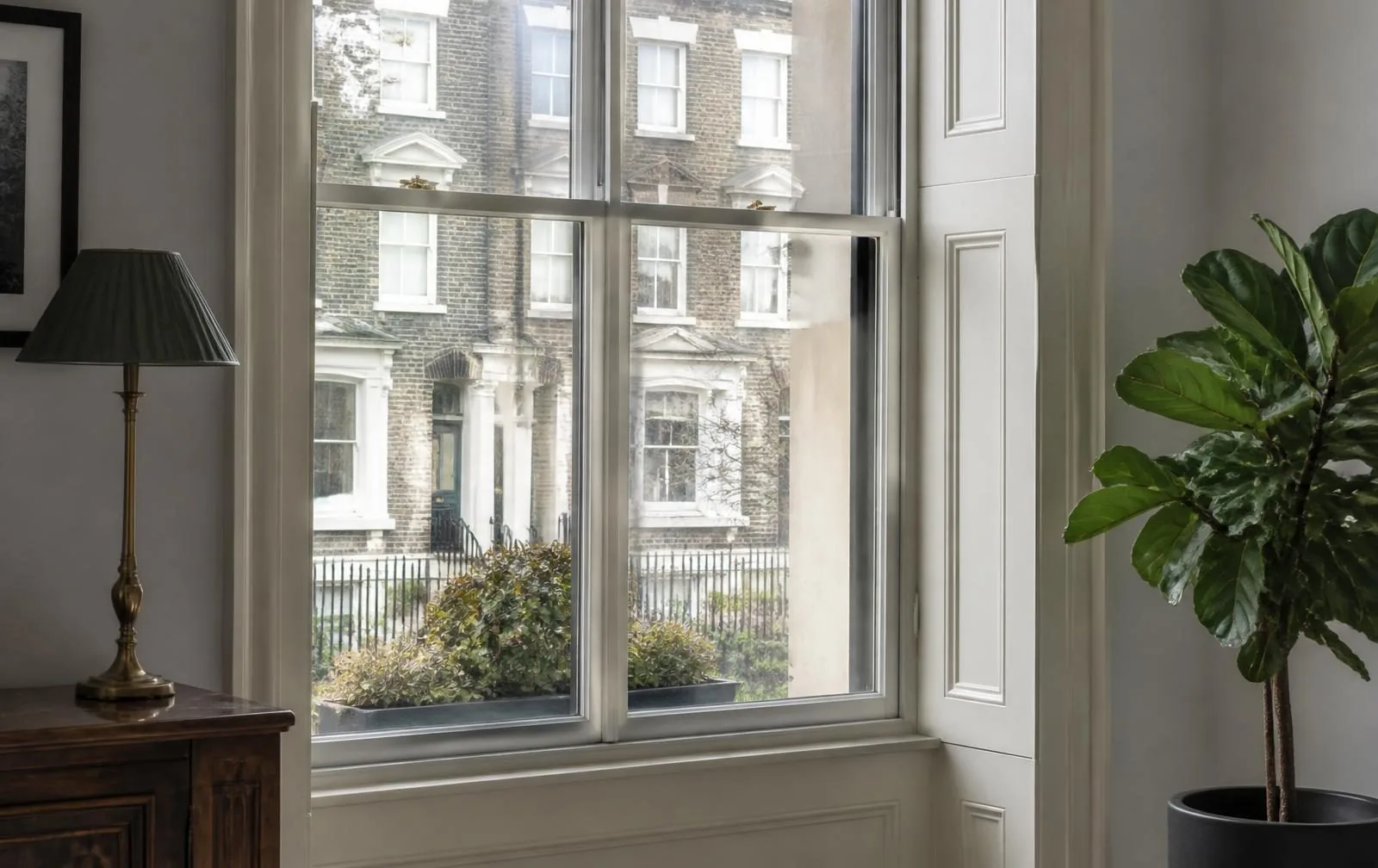
Listed building consent exists because historic windows are not simply an aesthetic feature. The glass, the glazing bars, the horns, the putty lines, the ironmongery and even the timber species can be evidence of construction date, of later alterations, and of the craftsmanship of a particular period. Once original fabric is removed, that evidence is gone permanently, regardless of how good the replacement looks from the pavement.
None of this means listed building owners are stuck with draughty, single-glazed windows indefinitely. There is a well-established hierarchy of intervention that conservation officers work through, from repair, to careful upgrade of the existing window, to secondary glazing, and only as a last resort to replacement. Understanding that hierarchy — and where slim-profile and vacuum glazing now sit within it — is the difference between an application that sails through and one that stalls for months.
Quick summary
The short version
- Listed building consent is separate from planning permission and applies to all grades — I, II* and II — covering interior and exterior alike.
- Like-for-like replacement still needs consent if it involves removing historic window fabric, even when the new window looks identical.
- Conservation officers work through a hierarchy: repair first, then careful upgrade, then secondary glazing, with full replacement as a last resort.
- Slim-profile double glazing and vacuum glazing can now sometimes be fitted within original frames, but acceptance varies by local authority.
- Secondary glazing is the most reliably approved route to improved thermal and acoustic performance without touching historic fabric.
- Unauthorised works are a criminal offence, not a civil planning breach, and can require reinstatement at the owner's cost.
Why this matters
Roughly half a million buildings in England are listed, and a significant proportion of those are in daily domestic use, with owners who simply want a warmer, quieter, more secure home. The tension between that ordinary aspiration and the statutory duty to preserve historic fabric is real, and it plays out window by window across the country every week.
Getting the approach wrong is expensive in more than one way. An application refused on the grounds of an unsympathetic specification costs time and a further round of fees. Unauthorised works discovered after the fact can require full reinstatement of the historic fabric, at the owner's expense, on top of a criminal prosecution. Even a successfully completed but poorly considered project can permanently reduce the value and character of a property that its listing was designed to protect.
Approached correctly, the outcome is usually better than owners expect. Conservation officers are not obstructive by instinct; they are assessing risk to fabric they are statutorily required to protect, and a well-prepared application that demonstrates understanding of that duty is usually met with a constructive, workable response.
Expert advice
Listed building consent and planning permission are not the same thing
Planning permission is concerned with the development of land and, for existing buildings, primarily with alterations to external appearance that a local authority considers significant enough to require oversight. Many domestic works, including some window replacements on unlisted houses, fall under permitted development and need no planning application at all.
Listed building consent is a wholly separate statutory regime introduced specifically to protect buildings of special architectural or historic interest. It applies regardless of whether the works would otherwise need planning permission, and, crucially, it applies to the interior of the building as much as the exterior, and to elements that are not visible from any public vantage point. A rear window entirely hidden from the street still needs consent if it is part of the listed structure.
In practice this means a listed building owner should assume that any window works — repair, upgrade, secondary glazing or replacement — need at minimum a phone call to the conservation officer to establish whether consent is required, before any work begins. Local authorities publish differing guidance, and some categories of minor repair are exempt, but the safe default is to ask first.
It is also worth knowing that curtilage listing extends protection to structures within the grounds of a listed building, such as a coach house or garden wall, even where that structure is not separately listed. Owners of period properties with ancillary buildings should check curtilage status before assuming those structures fall outside the consent regime.
| Regime | What it protects | Applies to |
|---|---|---|
| Planning permission | Development and significant external change | Land and buildings generally, subject to permitted development rights |
| Listed building consent | Special architectural or historic interest | All grades, interior and exterior, visible or not |
| Conservation area consent | Character of the wider area | Buildings within a designated conservation area, listed or not |
Why an identical replacement still needs permission
The instinct that a faithful copy should not need consent is logical but mistaken, because consent is not assessing the finished appearance — it is assessing the loss of original fabric. A window built in 1780 carries evidence of its date in the thickness of its glazing bars, the profile of its horns, the type of glass and the marks left by hand tools. A modern reproduction, however accurate, is a new object with none of that evidentiary value, and once the original is removed that value cannot be recovered.
This is why conservation officers frequently push back on straightforward replacement requests and ask instead whether the existing window can be repaired. Timber decay is very often localised — a sill, a cill horn, a single rotten glazing bar — and can be addressed with splice repairs using matching timber, rather than replacing the whole sash or casement. A skilled joiner can often extend the life of a historic window by decades for a fraction of the cost of full replacement, while retaining the original fabric intact.
Where a window is genuinely beyond repair, consent for replacement is still achievable, but the application needs to demonstrate that repair was properly considered and ruled out, and that the replacement will match the original in material, profile, glazing pattern and, where relevant, glass type. This is where slim-profile double glazing and vacuum glazing have changed what is achievable within an accepted specification.
It is worth noting that a previous owner's unauthorised replacement does not create a precedent. If a neighbouring or even the same property already has uPVC replacements installed without consent, this does not weaken the conservation officer's position on a new application; if anything it can harden it, because the officer is working to prevent further loss of authentic fabric.
Slim-profile double glazing and vacuum glazing
The biggest technical shift in this field over the past decade has been the development of slim-profile double glazed units, typically 8 to 12mm thick against the 20mm or more of standard modern double glazing, and vacuum glazing, which achieves comparable thermal performance to double glazing in a single-pane thickness of around 6 to 8mm by removing the cavity gas entirely and relying on a sealed vacuum.
Both technologies make it possible, in the right circumstances, to retain an original timber sash or casement frame and simply reglaze it, rather than replacing the whole window. This is a materially different proposition for a conservation officer to assess than a full replacement, because the historic frame, horns, glazing bars and external profile are preserved and only the glass itself changes.
Acceptance is not universal. Some local authorities and some individual conservation officers remain cautious about slim-profile units, citing concerns about the weight the original frame and glazing bars were designed to carry, and about whether the visual difference in reflectivity and edge detail is acceptable on the most sensitive elevations. Vacuum glazing, being thinner still, is increasingly viewed favourably but is a comparatively new product with a shorter track record and a higher unit cost.
The practical approach is to establish the local authority's position before specifying anything, ideally through pre-application advice, and to be prepared to present a sample or case study of the specific product on a comparable historic building. We routinely support applications with technical detail on the specific slim or vacuum unit proposed, because generic manufacturer literature rarely satisfies a conservation officer on its own.
Secondary glazing as the usual approved route
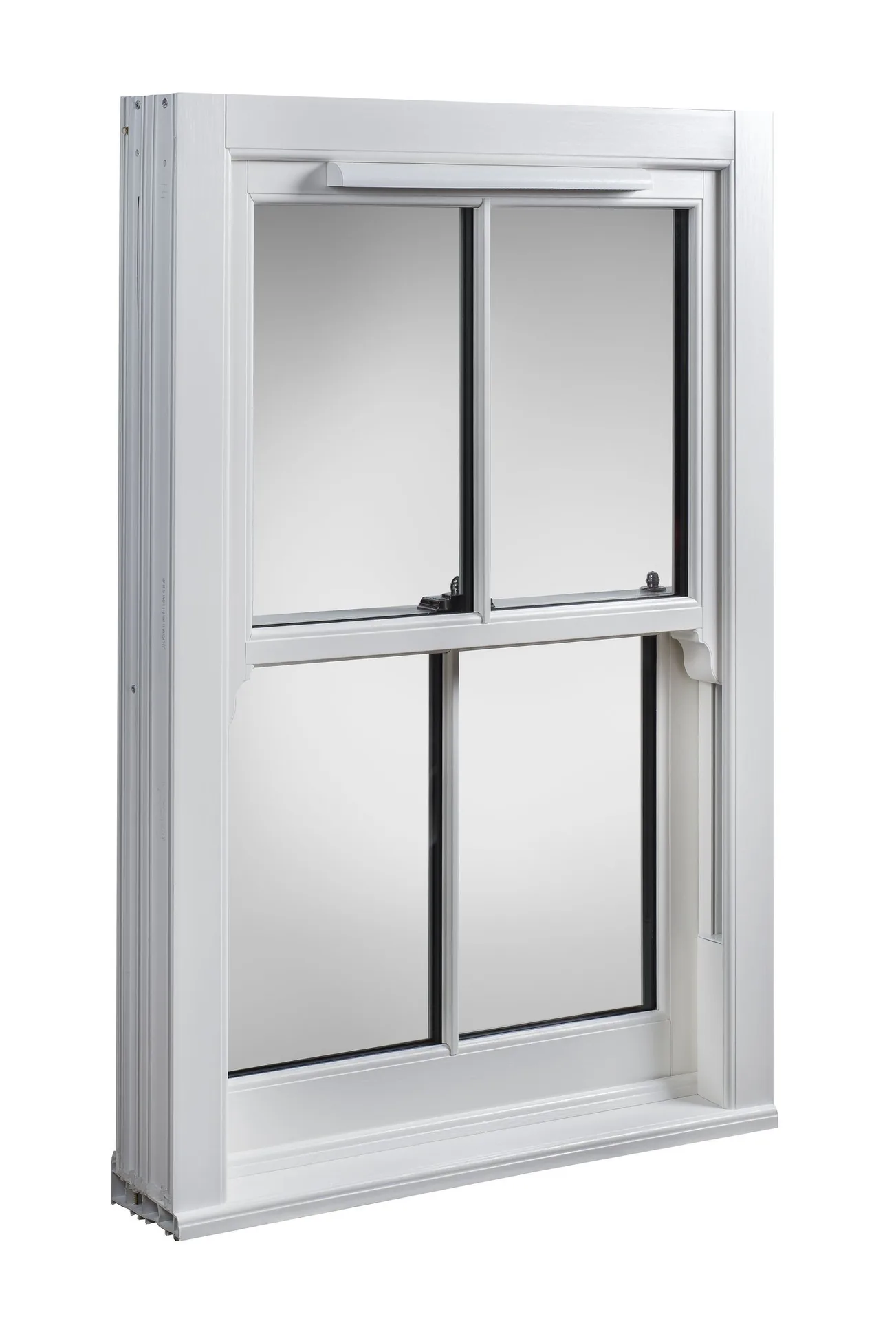
Where an original window is important enough that even slim-profile reglazing is considered too great a risk to the fabric, secondary glazing is almost always the fallback that conservation officers will support. It involves fitting a discreet, independent glazed unit to the inside face of the existing window, leaving the historic frame, glass and ironmongery completely untouched and fully reversible.
Well-specified secondary glazing achieves a meaningful thermal improvement, comparable in many cases to the gain from double glazing, and typically a larger acoustic improvement than double glazing alone because of the air gap between the two panes. For properties on busy roads or under flight paths, this acoustic benefit is often the deciding factor even where thermal performance is a secondary concern.
The detailing matters. A well-received secondary glazing installation uses slim aluminium or timber sub-frames finished to match the window reveal, sits set back from the historic window rather than proud of it, and uses discreet, lockable ironmongery. Poorly detailed secondary glazing — bulky white uPVC frames fitted flush with the reveal, for instance — has been the subject of enforcement action in sensitive cases, so the specification deserves the same care as the primary window would.
Secondary glazing does still sometimes require listed building consent, particularly where it involves cutting into historic joinery or plasterwork to fit the sub-frame, so it should not be assumed to be exempt. In most cases, however, it is the application a conservation officer will actively encourage, because it delivers a genuine improvement in comfort without placing the original window at any risk.
Working with the conservation officer, and what happens if you do not
The single most useful step in any listed building window project is a pre-application conversation with the local conservation officer, ideally before any glazing specification is finalised. Most authorities offer this service, sometimes for a modest fee, and it identifies objections and preferences well before a formal application is submitted, saving both time and redesign costs later.
A strong application presents a clear condition survey of the existing windows, a stated preference for repair over replacement with reasons given where repair has been ruled out, and a detailed specification of any proposed glazing including manufacturer data, sightlines and, where relevant, precedent for the product's use on comparable historic buildings. Photographs, drawn details and, where budget allows, a sample panel are all persuasive.
Where unauthorised works have already taken place — whether by a previous owner or through a misunderstanding of the consent requirement — the honest route is retrospective listed building consent, applied for as soon as the issue is identified. Local authorities generally respond more constructively to a voluntary disclosure than to works discovered independently, and it materially reduces the risk of enforcement action.
Penalties for unauthorised works are genuinely significant: unlimited fines in the Crown Court, the possibility of imprisonment in the most serious cases, and an enforcement notice that can require full reinstatement of lost historic fabric at the owner's expense, sometimes years after the works were carried out. This is not a regime that becomes more lenient with the passage of time; it is one of the few areas of property law where an unauthorised alteration can be pursued indefinitely.
Common mistakes
Assuming a like-for-like replacement does not need consent
Treat any removal of historic window fabric as requiring listed building consent by default, and confirm the position with the conservation officer before ordering anything.
Proposing full replacement before repair has been properly assessed
Commission a condition survey and present a genuine repair option in the application, even where replacement is ultimately preferred. Officers respond far better to applications that show repair was seriously considered.
Specifying secondary glazing without attention to detailing
Use slim, set-back frames matched to the reveal finish and discreet ironmongery. Bulky or flush-fitted secondary glazing is the version most likely to attract objection.
Relying on a neighbour's unauthorised installation as a precedent
Unauthorised works elsewhere carry no weight in your own application and can make officers more cautious, not less. Build the case on its own merits.
Starting work while an application is still under consideration
Wait for formal written consent before any works begin. Starting in anticipation of approval, even where approval seems likely, is itself an offence if consent is later refused or amended.
Frequently asked questions
Can I replace windows in a listed building without consent?+
Almost never, if the windows are original or historic. Listed building consent covers works that affect the character of the building, and this applies to the interior and to elements not visible from the street, not only the principal elevation. Carrying out unauthorised replacement is a criminal offence, not a planning breach, and it applies regardless of the window's condition.
Does a Grade II listing carry the same restrictions as Grade I?+
The legal protection is identical in principle — all grades require listed building consent for works affecting character. In practice, Grade I and II* buildings attract closer scrutiny and a stronger presumption toward repair over replacement, because the listing itself signals exceptional or particular importance. Grade II, the most common grade, still requires the same consent process but conservation officers often have more flexibility in what they will approve.
Is secondary glazing always accepted on listed buildings?+
It is the most consistently approved intervention because it is reversible and does not alter the historic fabric, but it is not automatic. Conservation officers will still want to see slim, well-detailed frames set back from the reveal, discreet ironmongery and, in some cases, listed building consent for the secondary units themselves. Poorly detailed secondary glazing has been refused.
What is the difference between listed building consent and planning permission?+
Planning permission controls the development of land and the external appearance of buildings generally. Listed building consent is a separate, additional regime that protects the special architectural or historic interest of a listed building specifically, covering both exterior and interior. A project can need one, both, or neither depending on scope; replacing windows in a listed building typically needs listed building consent even when it would not need planning permission on an unlisted house.
How long does listed building consent take?+
Local authorities aim to determine applications within eight weeks, though conservation-sensitive cases and those needing referral to Historic England can run considerably longer. Pre-application discussion with the conservation officer, before a formal application is submitted, usually shortens the overall timeline because it identifies objections early.
What happens if I install windows without consent?+
Unauthorised works to a listed building are a criminal offence carrying unlimited fines and, in the most serious cases, imprisonment. The local authority can also issue an enforcement notice requiring reinstatement of the original fabric at the owner's expense. This applies even to a well-intentioned like-for-like replacement carried out without consent, and it survives a change of ownership.
Related products