The roof is the most important part of a conservatory, yet it is often the decision homeowners think about least. Frame colour, door style and glazing bars get the attention, but it is the roof that controls temperature, light, noise and how the room feels to live in. A beautiful conservatory with the wrong roof becomes a greenhouse in July and an icebox in December. A well-chosen roof makes it the best room in the house.
This guide compares the four main conservatory roof types — polycarbonate, glass, hybrid and warm roof — on the factors that actually matter for daily use: light, warmth, noise, maintenance and cost.
Why the roof matters more than the frame
The roof is the single most important decision in a conservatory because it determines how the room feels for the majority of the year. A beautiful frame with the wrong roof can still leave you with a space that is too hot in summer, too cold in winter, too bright in direct sun and too loud in the rain. The roof also dominates the external appearance from the garden and affects the value the room adds to the house.
There are four main roof options: polycarbonate, glass, hybrid and warm roof. Polycarbonate is the cheapest and the oldest technology. Glass is brighter and more attractive but needs the right specification. Hybrid roofs mix solid panels with glazed sections. Warm roofs are solid, insulated and tiled, making the conservatory feel like a proper extension. Each has a clear place, and the right choice depends on how you want to use the room, the orientation of the house, and your budget.
Polycarbonate: low cost, high compromise
Polycarbonate roofs were the default for conservatories for decades because they are inexpensive and easy to install. They are made from layered plastic sheets that diffuse light and provide some insulation. However, they are also the weakest option in almost every other respect: thermal performance, noise, longevity and appearance.
In direct sunlight, a polycarbonate roof can make a conservatory uncomfortably hot. In rain, it is noticeably louder than glass or a solid roof. Over time, polycarbonate becomes discoloured, brittle and can develop algae between the layers. It is still used in budget installations, but for a room that is intended to be lived in daily, it is rarely the best long-term choice.
Glass roof: light, view and modern performance
A glass roof is the right choice when the point of the conservatory is to feel connected to the sky and garden. Modern solar-control glass reflects a large proportion of the sun's heat while letting visible light through, which dramatically reduces the greenhouse effect that made old conservatories unbearable in summer. Self-cleaning coatings break down dirt on the outer surface, making maintenance easier than many people expect.
The trade-off is thermal performance in winter. Even the best double-glazed roof is not as insulating as a solid roof with high-performance insulation. For south-facing conservatories used mainly in summer, this is usually acceptable. For north-facing or year-round rooms, a glass roof may need underfloor heating or a higher-performance specification to stay comfortable in January.
Warm roof: the extension feel
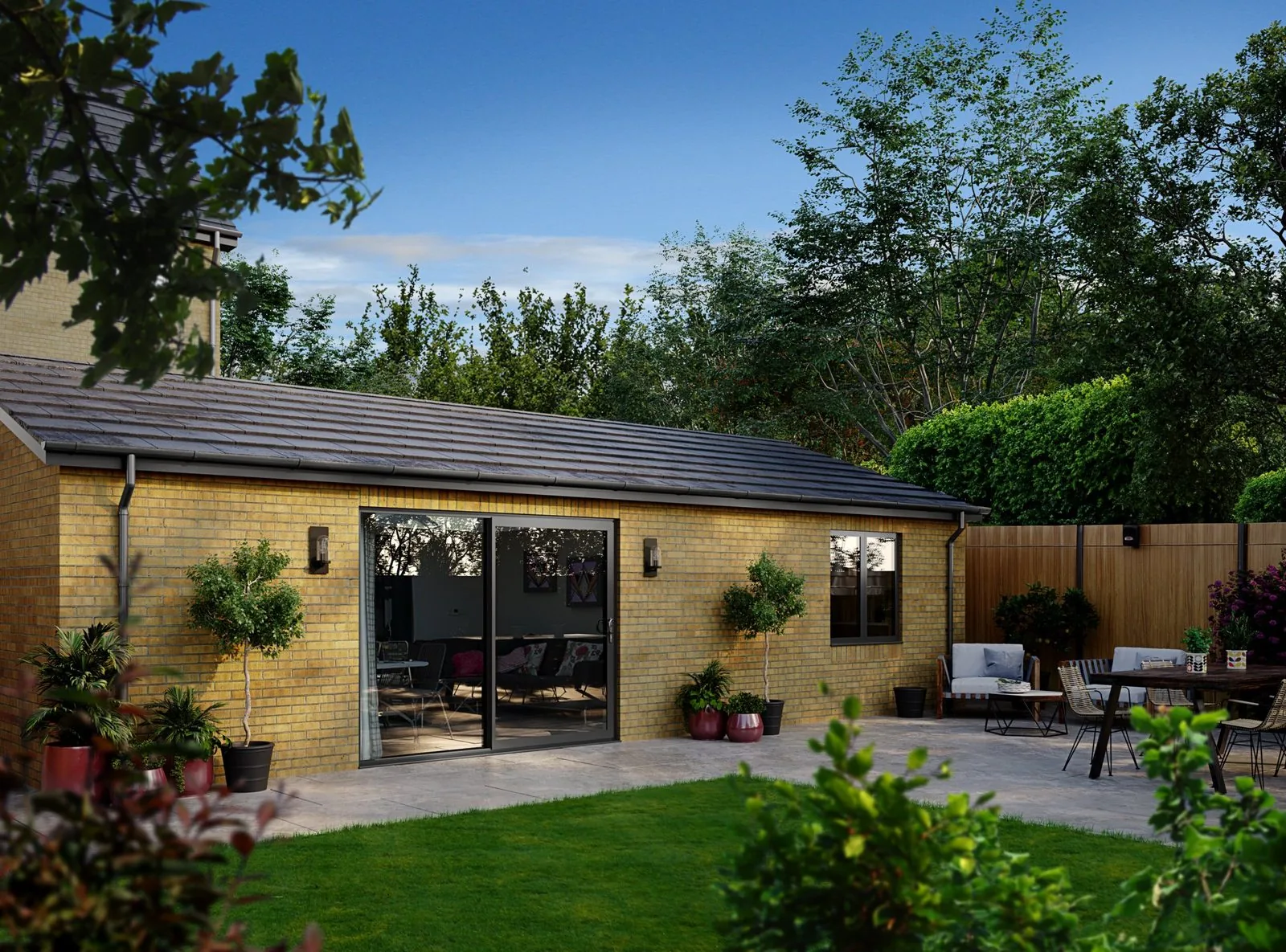
A warm roof replaces the glazed or polycarbonate roof with a solid, insulated structure, usually finished with tiles or slates and a plastered ceiling inside. It is the closest you can get to the performance of a full extension without building one. U-values are typically much lower than glass, rain noise is eliminated, and the room feels like a normal part of the house rather than a glass box.
The downside is reduced light and the loss of the open-sky feeling. That is why many warm roof systems include rooflights or glazed panels to reintroduce light where it matters. A warm roof also changes the Building Regulations status of a conservatory, so it usually needs approval and a structural assessment.
Hybrid roof: best of both
A hybrid roof combines insulated panels with glazed sections in a single structure. The insulated panels are positioned where the sun is most intense or where the room needs most thermal protection, while the glazed sections keep light and views where they matter. This is a popular choice for homeowners who want a bright, garden-connected room that still performs well in winter.
Hybrid roofs require careful design. The ratio of solid to glass, the position of the glass panels, and the orientation of the room all affect how the space performs. A poorly designed hybrid can inherit the worst features of both systems: a dark area under the solid panels and an overheated area under the glass. A well-designed hybrid can feel like the best compromise.
| Roof type | Light | Warmth | Noise | Cost | Best for |
|---|---|---|---|---|---|
| Polycarbonate | Diffused | Poor | Noisy | Lowest | Budget-only seasonal use |
| Glass | Excellent | Moderate | Quiet | Mid-to-high | Light-filled garden rooms |
| Warm roof | Reduced | Excellent | Silent | Highest | Year-round living space |
| Hybrid | Balanced | Very good | Quiet | High | Rooms that need both light and insulation |
Which roof is right for you?
If your priority is the brightest possible room and you mainly use it in spring, summer and autumn, a high-performance glass roof is probably the best fit. If you want a room that works every day of the year, including winter evenings, a warm roof or hybrid roof is the better investment. If budget is the overriding constraint and the room will only be used occasionally, polycarbonate may be acceptable, but treat it as a short-term solution.
Orientation matters too. South-facing conservatories need more solar control, which can make a warm roof or solar-control glass attractive. North-facing conservatories struggle for heat and light, so a glass roof with the right coatings is usually better than a fully solid roof. The way you heat the room — underfloor heating, radiators, or none — will also influence the decision.
Our view
Our view
For most homeowners who want a conservatory they will actually use every day, we tend to recommend either a high-performance glass roof or a warm roof with glazed panels. Polycarbonate has had its day and is hard to justify for anything beyond a tight budget or occasional use. A hybrid roof is the best choice when the room needs to feel bright but the house needs it to perform thermally. The right answer depends on orientation, use and budget — but the roof is never a detail to leave to the end.
Frequently asked questions
What is a warm roof conservatory?+
A warm roof is a solid, insulated roof system, usually tiled or slate-effect, fitted with insulation and a plastered ceiling. It turns a conservatory into a room that feels much more like a proper extension and performs far better thermally than a traditional glass or polycarbonate roof.
Is a glass roof colder than a warm roof?+
Yes, in winter. Even high-performance solar-control glass has a higher U-value than a properly insulated solid roof. However, glass roofs let in far more natural light and can be designed with self-cleaning and solar-control coatings to reduce overheating.
Can I replace an old polycarbonate roof with a warm roof?+
Yes, and this is one of the most common retrofit upgrades. A warm roof replacement can dramatically improve insulation, reduce rain noise and make the room usable year-round. Building Regulations approval may be required because the roof is being structurally changed.
Does a warm roof make a conservatory too dark?+
Not necessarily. Warm roof systems can include rooflights, glazed panels or Velux-style windows to bring in light. The room will feel different from a fully glazed conservatory — calmer and more like a normal room — but not necessarily dark.
Which roof is cheapest?+
Polycarbonate is the cheapest to install but the worst for comfort and longevity. Glass roofs cost more than polycarbonate but offer the best light. Warm roofs are the most expensive upfront but deliver the best thermal performance and year-round usability.
Will a warm roof add value to my home?+
A warm roof can add value because it converts the conservatory from a seasonal space into a proper room. Estate agents and buyers often see a warm-roofed conservatory as closer to an extension than a glazed add-on, which can improve saleability.
What is a hybrid conservatory roof?+
A hybrid roof combines solid, insulated panels with glazed sections in one roof structure. It gives you the thermal benefit of a warm roof where you need it, while keeping glazed panels for light and views — a popular compromise between solid and glass.
How long does each roof type last?+
Polycarbonate roofs typically last 10 to 15 years before becoming brittle, discoloured or noisy. Glass roofs can last 20 to 30 years with the right glazing. Warm roofs with good tiles and membranes are designed to last 30 years or more with minimal maintenance.