
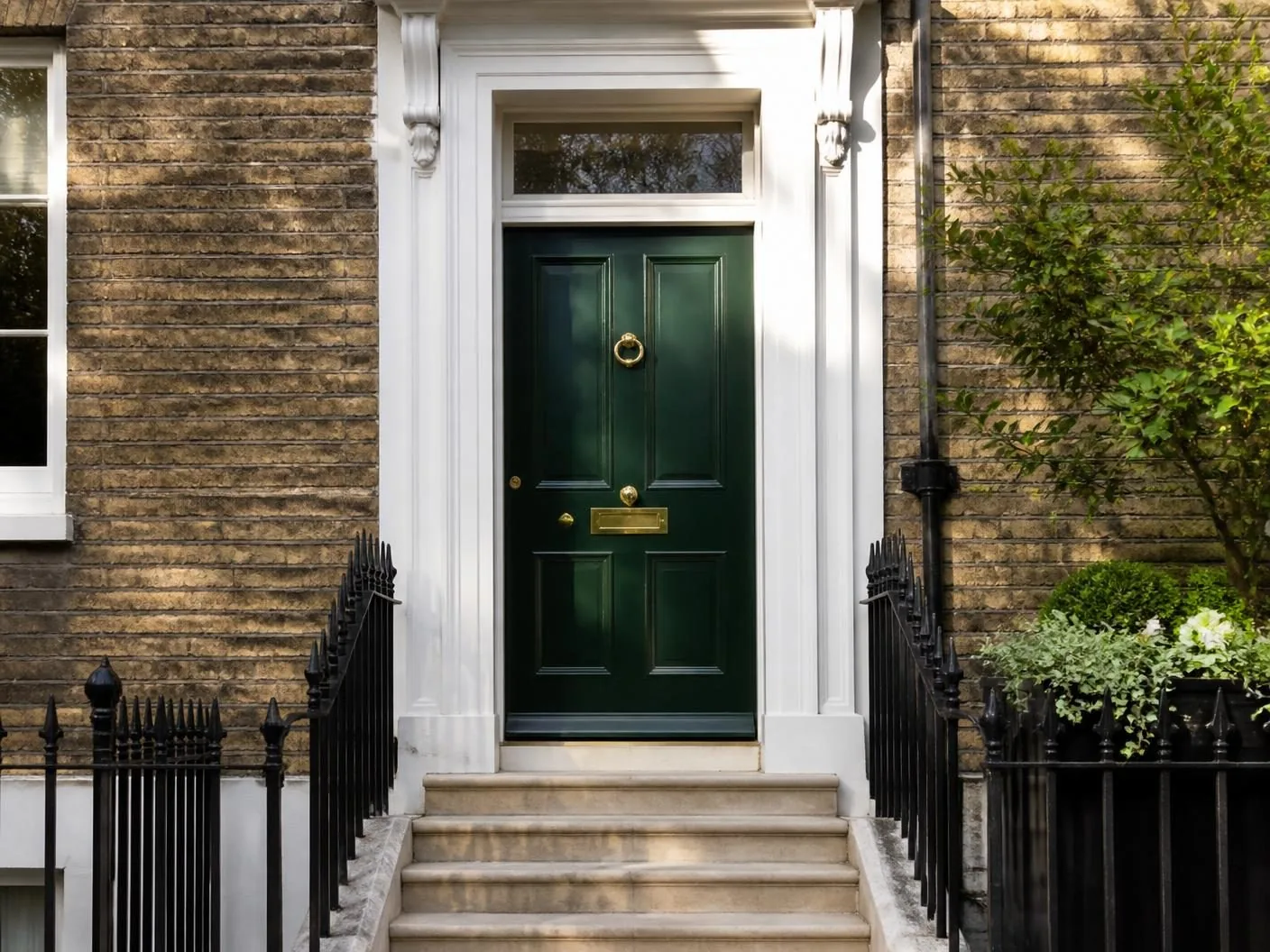
Laminated solid colour
A single flat or lightly grained pigmented film across the full RAL and heritage range, the most durable and widest-choice finish process.
Doors / Composite / Colours
Colour is applied to a composite door, not mixed through it — understanding how it is applied is most of what determines how well it lasts.
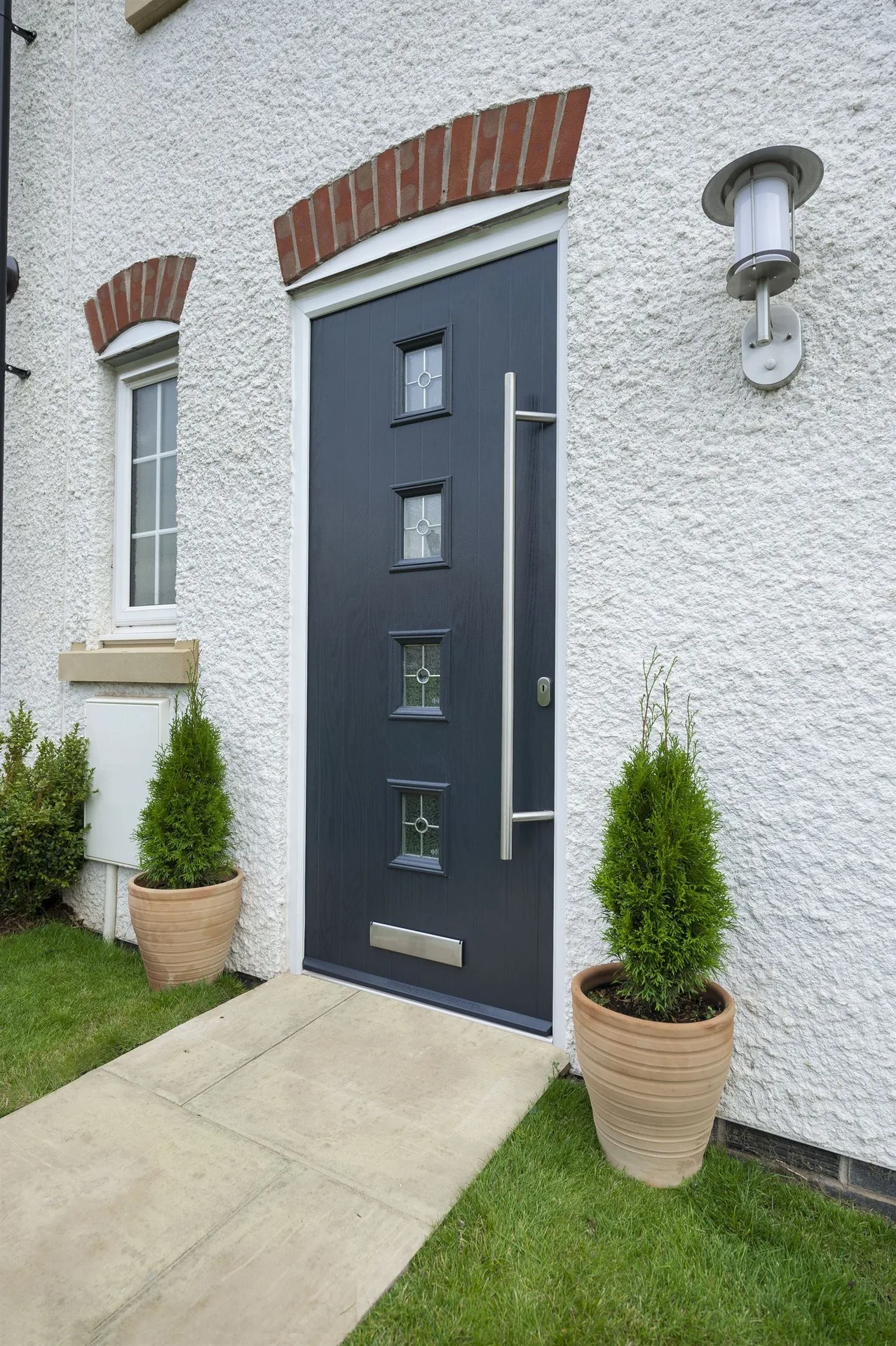
Introduction
Every composite door colour sits as a surface finish over a moulded GRP skin, and how that finish is applied matters as much as the shade itself. A laminated finish bonds a solid, pigmented film to the skin under heat and pressure, with the woodgrain or matt texture embossed through it afterwards, so the pigment has genuine thickness and a protective structure around it. A foiled finish applies a thinner decorative layer directly over the moulded texture, which is quicker and cheaper to produce but generally less resistant to fading, edge-lifting and long-term colour shift, particularly under sustained UV exposure.
This distinction is the single most useful piece of technical knowledge when comparing quotations, because two doors described simply as 'anthracite grey' can be built on entirely different finish processes at a similar retail price, with a meaningfully different lifespan for the colour itself even where the underlying skin, core and frame are comparable.
This page sets out how composite colour actually works — the difference between laminated and foiled, how weathering and fade behave in practice, dual colour options, and how to match a door to its surrounding elevation. For the construction of the door itself, see the composite doors hub.
Beautiful homes begin with better advice.
A door is a decision about arrival, security and daylight. We would rather help you get it right than sell you the one with the best margin.
Who this suits
Colour is one of the few composite door decisions that is genuinely difficult and expensive to reverse — GRP does not take conventional repainting well, so the choice made at order stage is generally the one you live with for the working life of the door. It is worth treating it with the same care as the security or thermal specification, not as a swatch chosen at the end of a longer conversation.
The orientation of the door matters as much as the property style. A south or west-facing entrance in full sun for much of the year justifies the laminated route even where budget is tight elsewhere, since it is the exposure that determines how visibly a lower-grade finish will fade or lift over a decade. A sheltered, north-facing entrance under a porch has much more latitude.
We are frequently asked to advise on colour where a homeowner has a strong preference for a shade the elevation does not obviously suit — dark anthracite against a heavily corbelled Victorian brick front is a common example — and the honest answer is usually that colour and door style need to be considered together, not the colour chosen in isolation.
Design styles
A single flat or lightly grained pigmented film across the full RAL and heritage range, the most durable and widest-choice finish process.
A lower-cost decorative layer over a strong moulded woodgrain texture, suited to sheltered entrances and budget-conscious specifications.
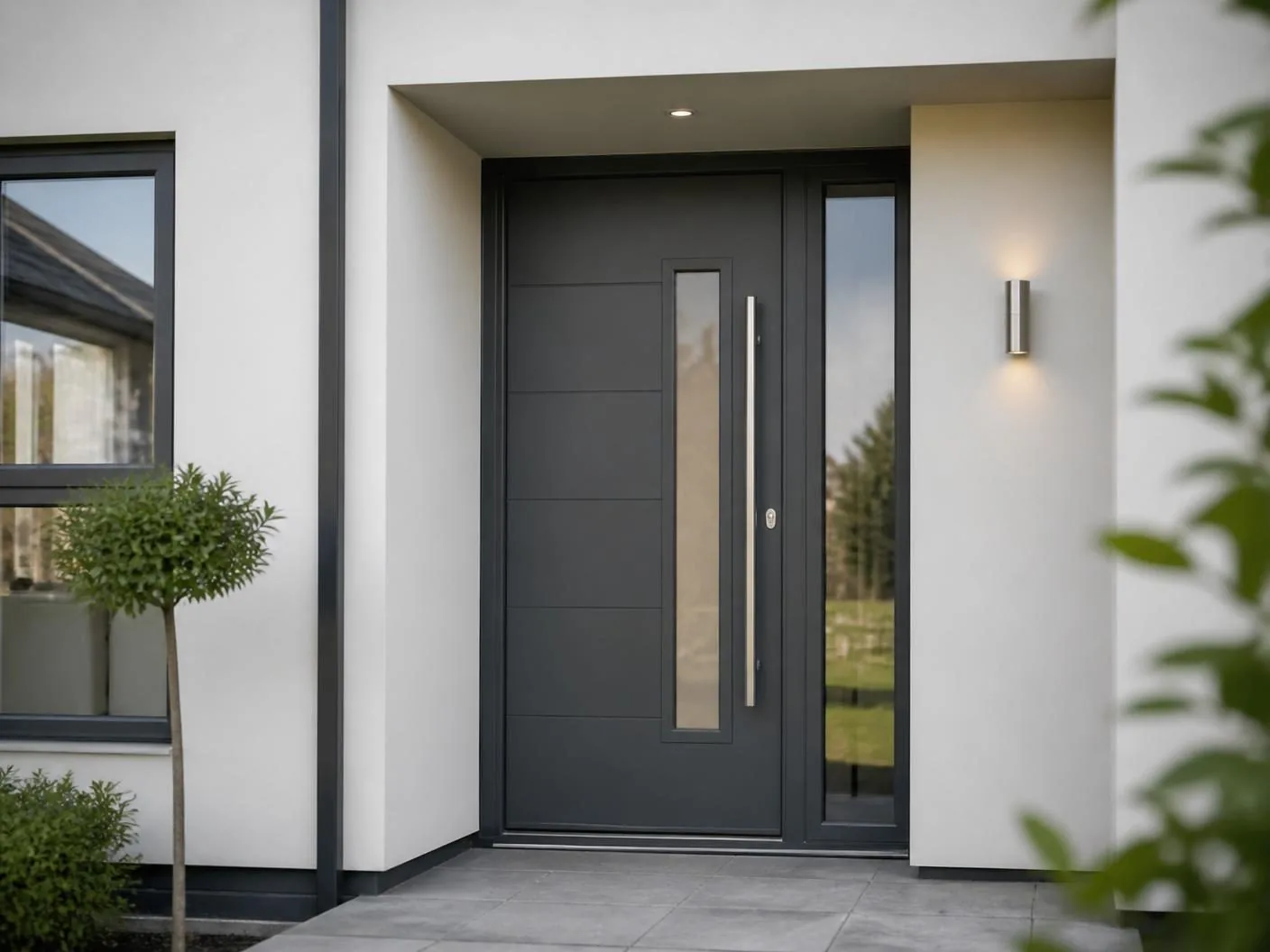
A different laminated colour or plain white on the inner face, chosen independently of the street-facing colour.
Available configurations
Matched to window frames
Door colour matched to anthracite, grey or white window frames for a single, calm elevation composition.
Contrasting focal colour
A strong heritage or saturated colour used deliberately as the one bold element against neutral windows and render.
Dual colour, hallway matched
An inner face colour chosen to suit the hallway decoration rather than the street elevation.
Materials
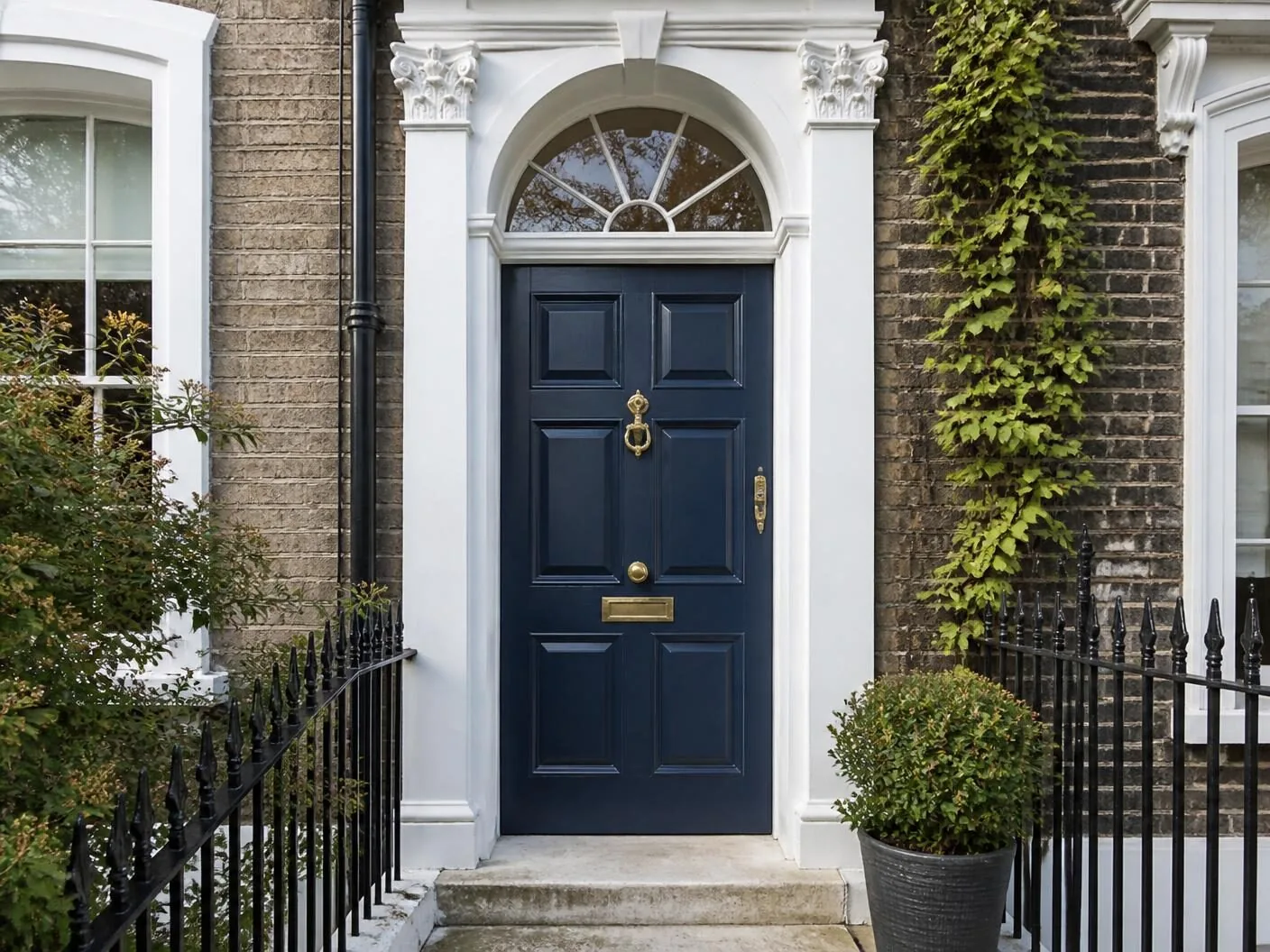
A solid, bonded colour layer applied before the woodgrain texture is embossed, giving the most durable and colour-stable finish available on composite doors.
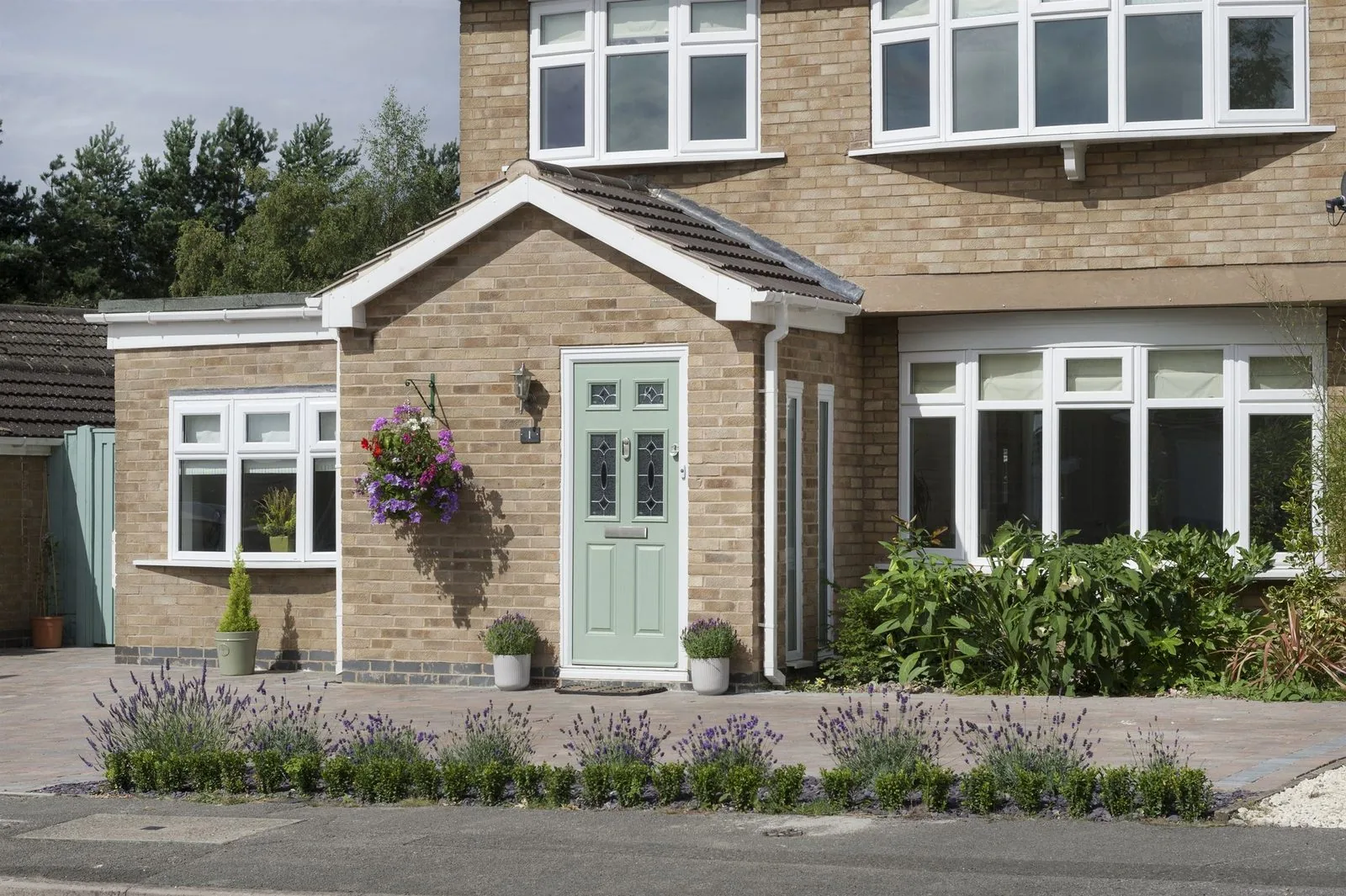
A thinner colour layer applied over the moulded texture, a lower-cost route best suited to sheltered or less exposed entrances.
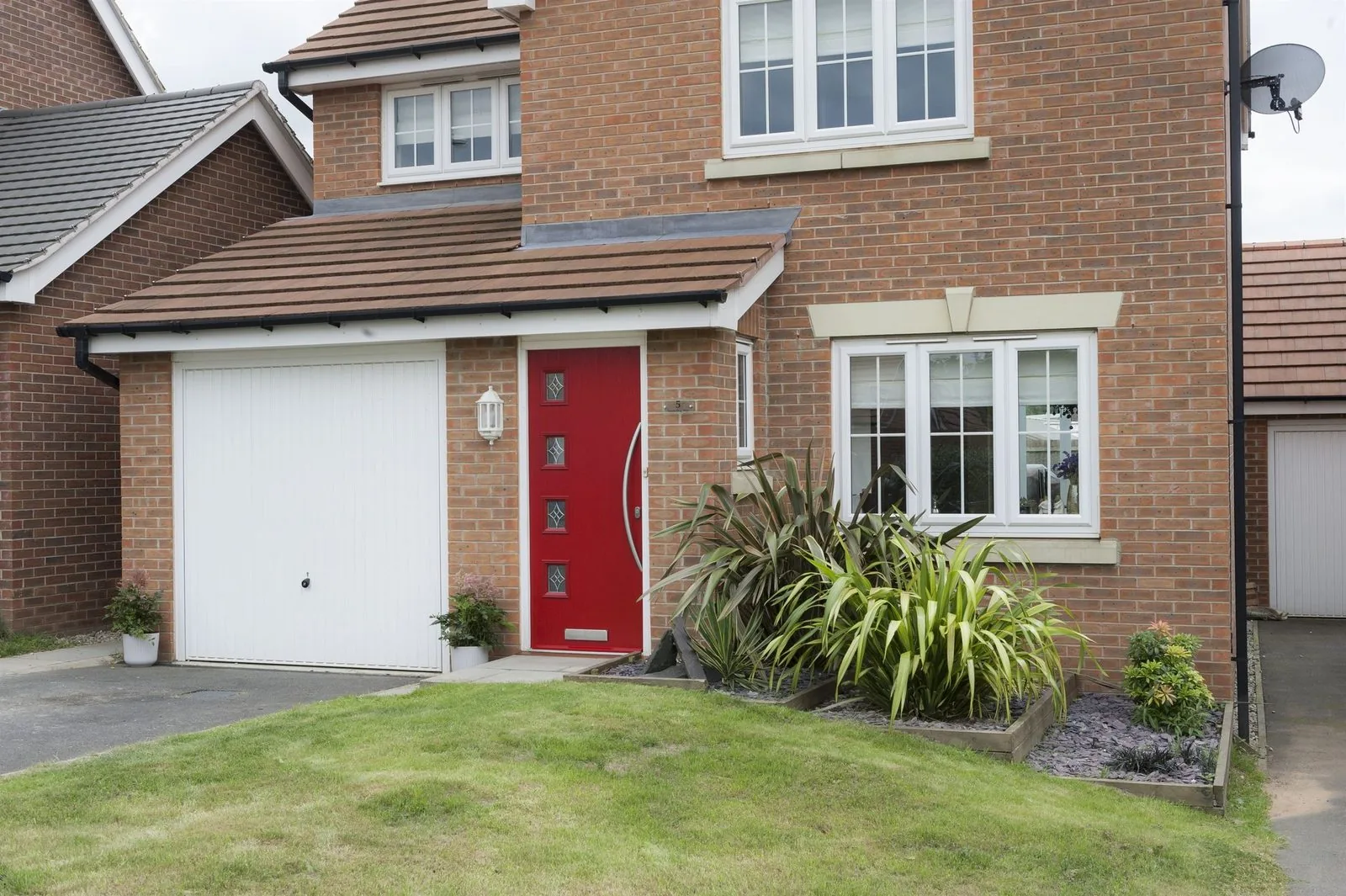
A clear protective layer over either finish process, extending colour life on the most exposed south and west-facing doors.
Colours & handles
Anthracite grey (RAL 7016)
The single most requested composite colour in the UK, available on the laminated route in a genuinely stable, long-lasting finish.
Heritage green and blue
Deep, muted tones drawn from conservation-appropriate palettes, suited to period properties and designated streets.
Chartwell green, black, jet white
The remainder of the most popular composite range, each available in both laminated and foiled processes depending on budget and exposure.
Colour-matched furniture
Handles, letterplates and knockers finished to match or complement the door colour rather than defaulting to bright chrome.
Contrasting black ironmongery
Matt black furniture used deliberately against a pale laminated colour for a crisp, defined contrast.
Brushed steel or gold detailing
Metallic furniture chosen to sit against darker laminated colours such as anthracite or black without disappearing into the surface.
Threshold options
Aluminium cills and trims finished to match the door colour so the whole opening reads as one composition rather than mismatched components.
A deliberately different trim colour, typically white or silver, used where the surrounding frame material cannot be colour matched exactly.
Glazing options
The most common pairing, letting the door colour read clearly against clear or lightly decorative glass.
Traditional lead or bevelled glass patterns, generally paired with heritage colours rather than contemporary anthracite or black.
A privacy-glazed aperture that reads consistently across every colour and finish process in the range.
Security
Colour and finish process have no bearing on the security specification of the door — that is determined entirely by the sub-frame, lock case, hinges and glazing method beneath the surface.
Thermal performance
Colour and finish sit on the surface of the skin and play no meaningful role in the door's thermal performance, which is determined by the core and glazing beneath.
Weather resistance
How a colour weathers is almost entirely a function of the finish process behind it, which is why the laminated versus foiled distinction matters more for weathering than for anything else on this page.
Maintenance
Both laminated and foiled finishes are low maintenance in the everyday sense, but they age differently over the long term, which is worth understanding before rather than after the colour has visibly changed.
Frequently asked questions
Colour sits on the surface of the GRP skin as one of two broadly different finish processes. A laminated finish bonds a solid pigmented film to the skin under heat and pressure before the woodgrain texture is embossed through it, giving the pigment real thickness and protection. A foiled finish applies a thinner decorative layer over the moulded skin, which is generally less durable and more prone to fading or lifting at the edges over years of weather exposure.
The laminated film is a more expensive material to produce and bond, and the process itself requires more time and precision to emboss the woodgrain texture through an already-applied colour layer rather than moulding texture and colour in a single lower-cost step. The extra cost buys genuinely better long-term colour stability, particularly on doors that face full sun for most of the day.
Some colour change is normal on any exterior finish exposed to UV, and dark colours in particular can lose a small amount of depth over a decade or more. A laminated finish resists this considerably better than a foiled one, and a reputable manufacturer will offer a written colour-stability guarantee that reflects how confident they are in their own process.
Yes, meaningfully. A south or west-facing door receives far more direct UV exposure over a year than a north or east-facing one, and we generally recommend the laminated route over foiled for any door in that position, particularly in a dark colour, which absorbs and shows UV degradation more visibly than a pale one.
A door finished in one colour on the outer face and a different colour, or plain white, on the inner face — for example anthracite grey outside to suit the street elevation, with white or a hallway-matching tone inside. It is now a standard option across most manufacturers' ranges rather than a costly bespoke upgrade.
Not straightforwardly. GRP does not accept conventional paint well without specialist preparation and primers intended for the material, so most homeowners live with the colour they specify at the point of order. This is precisely why we spend time on colour choice before ordering rather than treating it as a late decision.
Considerably wider on the laminated route than most homeowners expect — the better manufacturers now offer the full RAL palette alongside dedicated heritage ranges referencing National Trust and conservation-appropriate colours, not just a handful of standard swatches. Foiled ranges tend to be more limited, typically a smaller set of popular woodgrain and solid colours.
Either is a legitimate design decision, and the right answer depends on the elevation. A door matched to anthracite or grey windows reads as one calm, unified composition, while a contrasting door — often a strong heritage colour against white or grey frames — is used deliberately as the single focal point of the elevation. Our door colour guide sets out how to make that decision for your specific property.
Related articles
Related products
Begin the conversation
A consultation is a conversation about how you actually use the opening — where the sun falls, how the rain drives, who needs level access and what the street expects to see. You will receive a written specification you can understand and compare, and no follow-up pressure of any kind.
Systems & Profiles We Manufacture
We design and fabricate using premium window and door systems from the UK and Europe's leading manufacturers — so every installation is built on proven, fully warrantied profiles.