
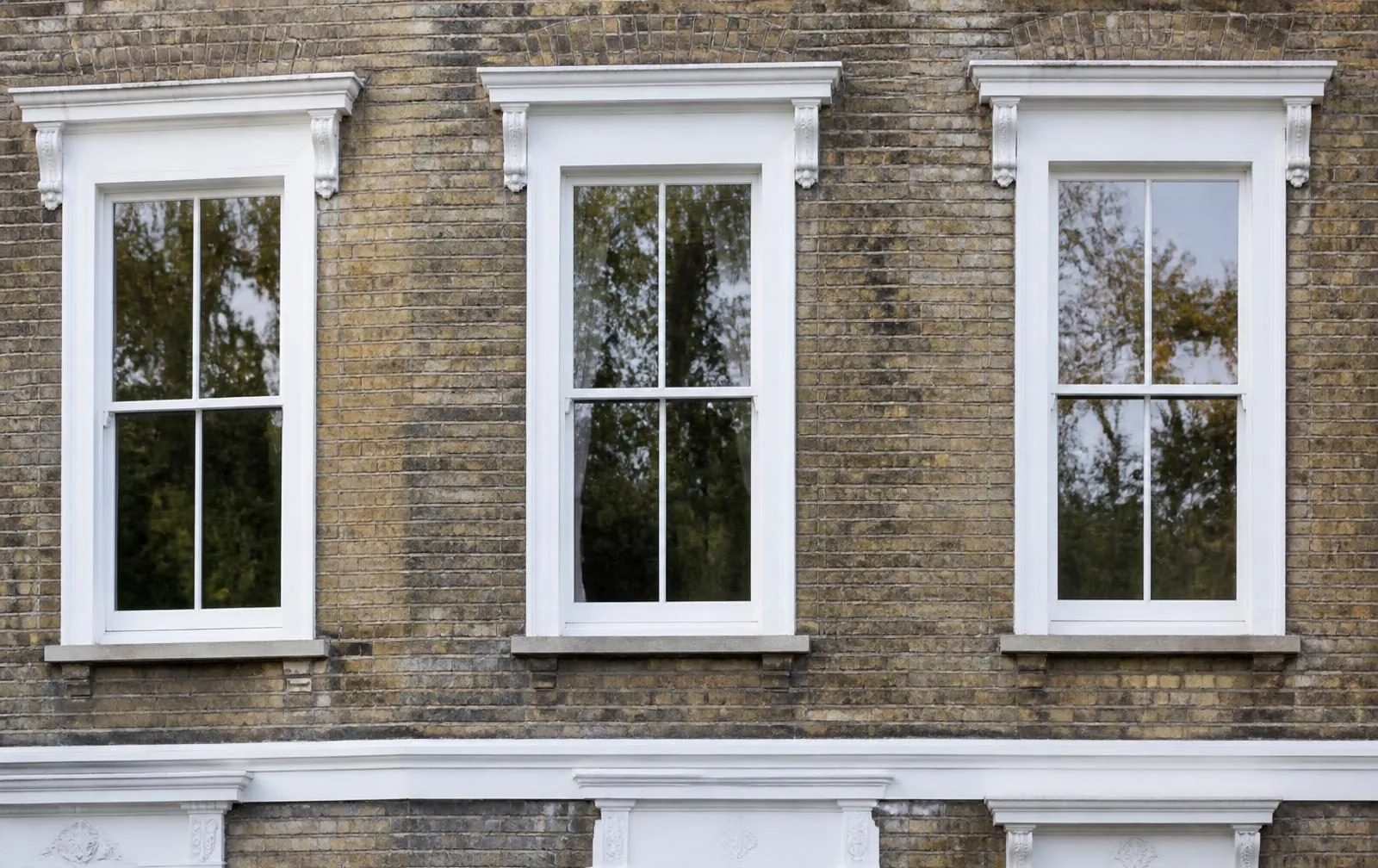
Acoustic laminated glass
Two or more panes bonded with a damping interlayer engineered specifically to absorb vibrational energy rather than transmit it, the core material of any serious acoustic specification.
Windows / Secondary Glazing / Acoustic
Quiet is a specification, not a marketing claim — cavity depth, glass mass and seal quality decide the result, and we explain each one before you commit.
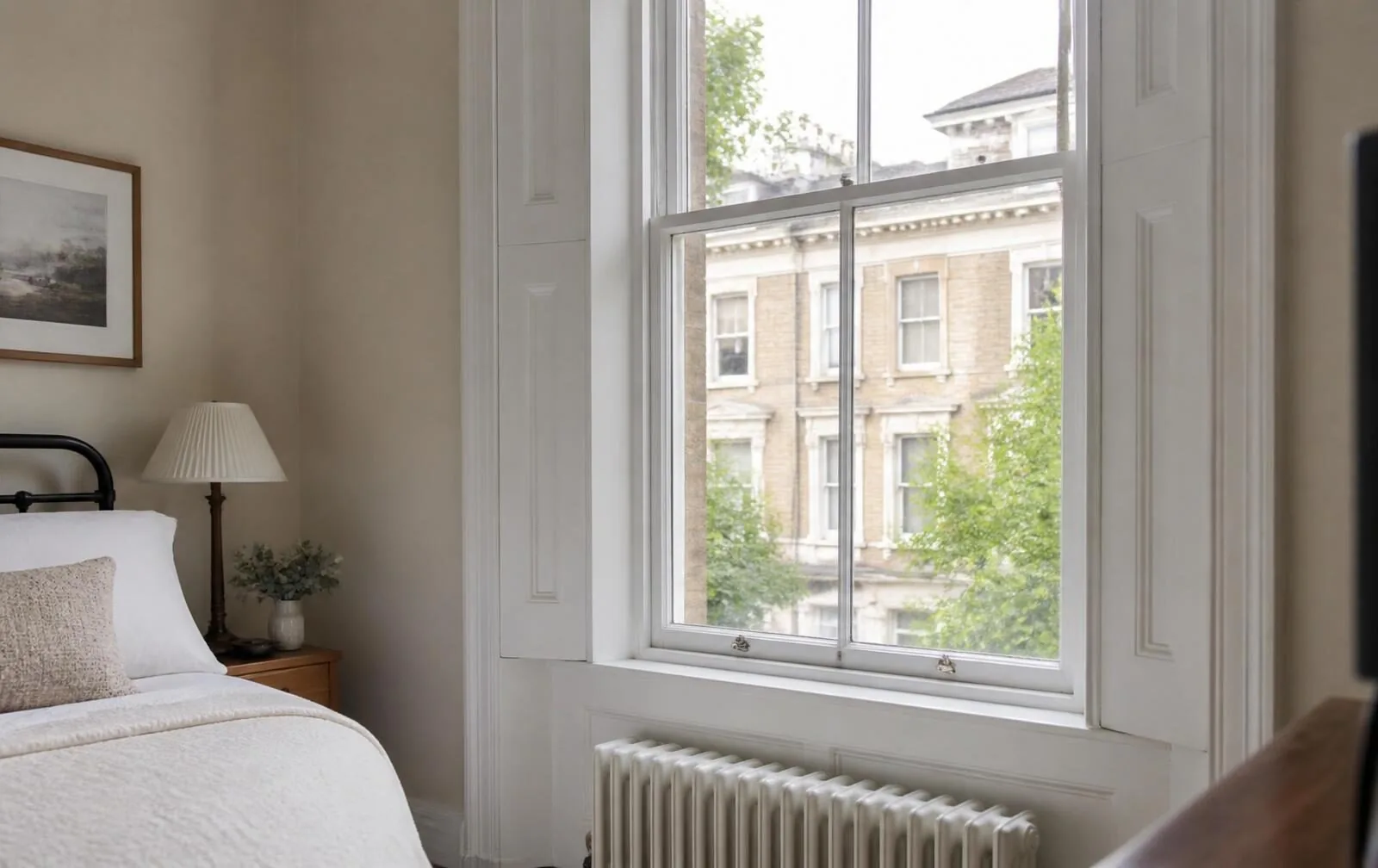
Introduction
Most secondary glazing suppliers describe an 'acoustic upgrade' as if it were a single tick-box option. In reality, noise reduction is the product of several independent variables working together — the depth of the air gap, the relative mass of the two panes, the type of interlayer in the laminated glass, and the integrity of every seal around the perimeter. Get one wrong and the others cannot fully compensate.
This page sets out how we actually specify an acoustic secondary glazing system for a London property: what cavity depth we look for depending on the noise source, why we deliberately mismatch pane thicknesses, and what dB reduction is realistic rather than aspirational. We would rather give you a number you can trust than a phrase like 'significantly quieter' that means nothing on its own.
It follows on from our general secondary glazing page, which covers reversibility, frame options and the wider case for the product. Here we go deeper into the one variable — sound — that brings most of our acoustic enquiries to us in the first place.
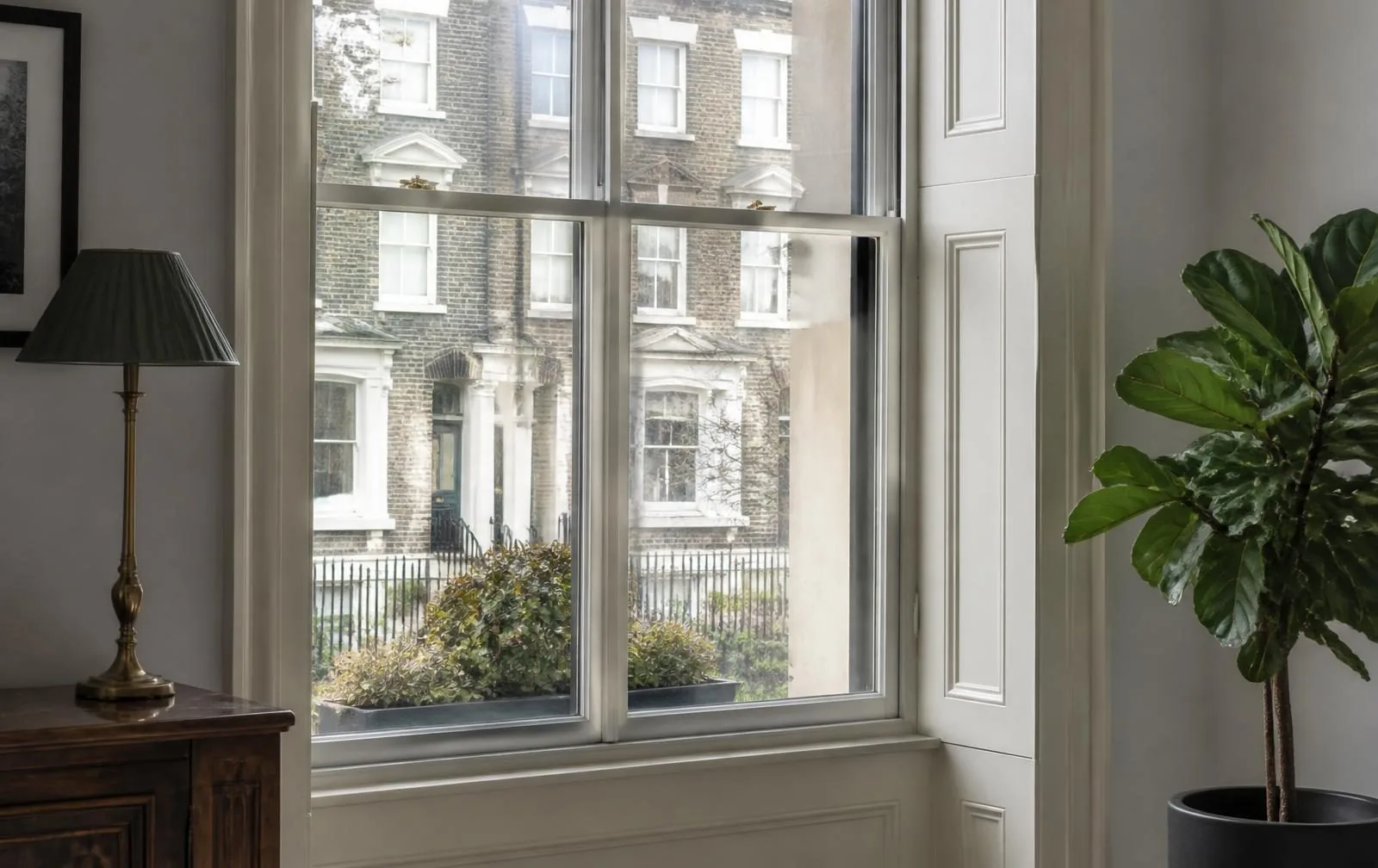
Beautiful homes begin with better advice.
We would rather spend an hour explaining why something is not right for your property than sell it to you.
Who this suits
Not every secondary glazing project needs the acoustic treatment, and we will tell you plainly when a standard thermal specification is sufficient. The acoustic upgrade earns its cost on properties with a genuine, measurable external noise source: an A-road or arterial route within direct line of sight, a flight path with regular overflights, a railway line — particularly elevated or in a cutting close to the property — or a busy junction with heavy braking and acceleration noise.
Bedrooms and home offices are usually the priority rooms, since sleep disruption and concentration are the outcomes that matter most to our clients, but a front reception room on a main road benefits just as measurably.
Where the noise source is intermittent and low-level — an occasional quiet residential road, for instance — a standard secondary glazing specification with float glass already delivers a worthwhile improvement, and paying for the acoustic laminate and deepest cavity available would be spending on a problem that does not really exist at your address.
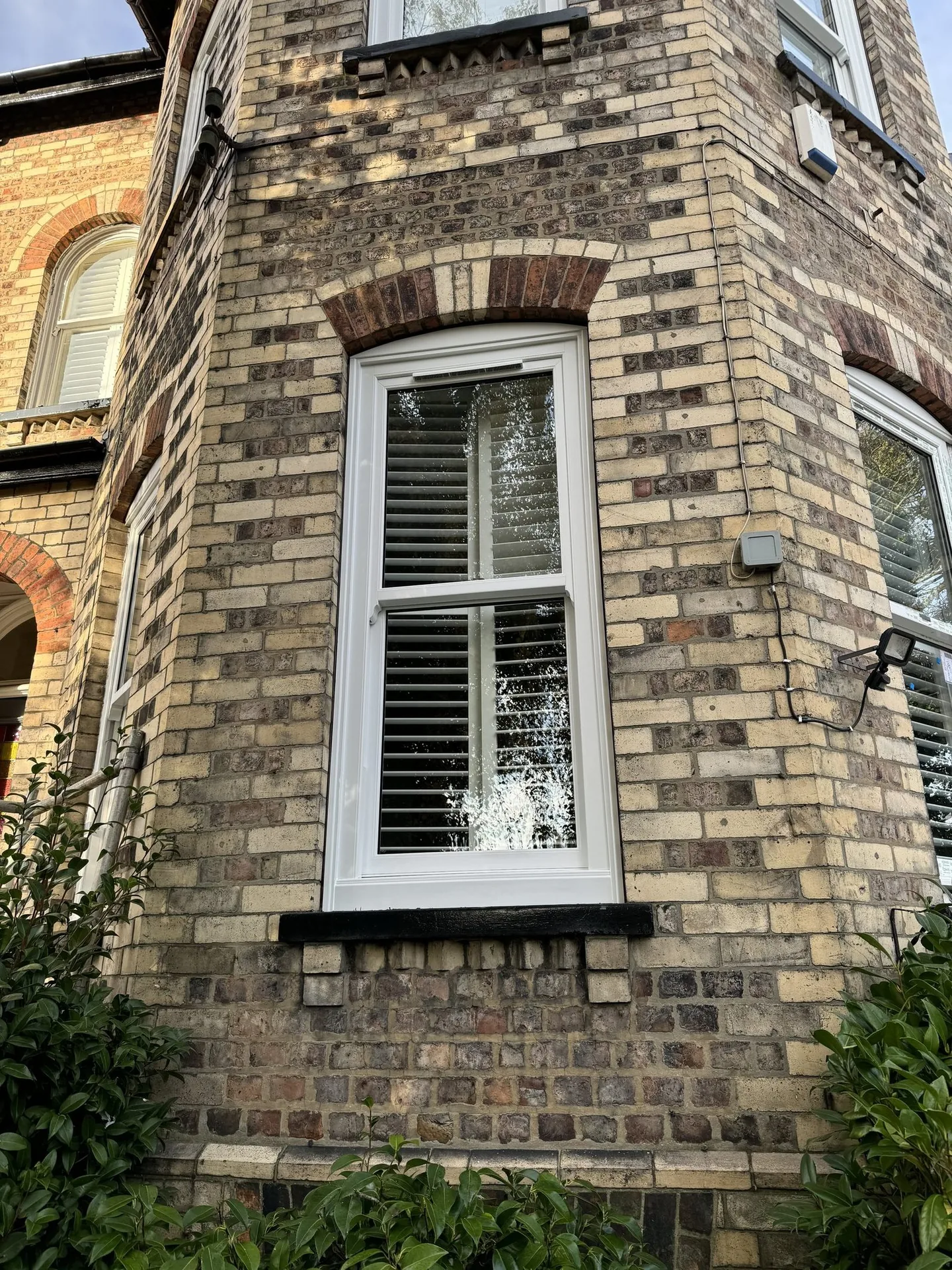
Benefits
We specify to a target dB reduction based on your actual noise source, not a generic 'acoustic' label.
150mm to 200mm gaps chosen specifically to move resonant dips below the frequencies that matter.
Deliberately mismatched pane thickness avoids the coincidence dip that undermines matched glazing.
Continuous acoustic compression seals close the small air paths that undo an otherwise correct specification.
Features
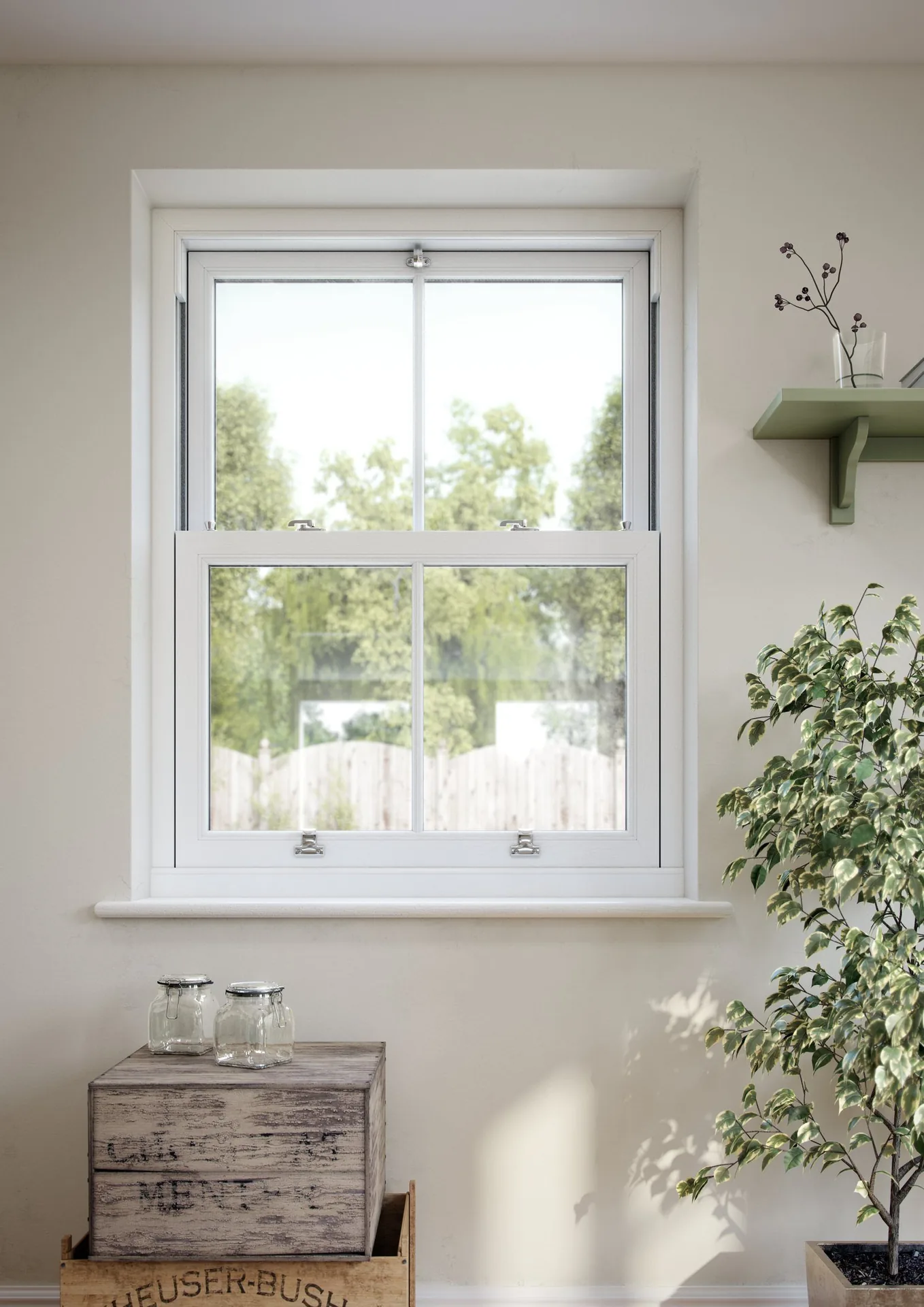
Material options
Two or more panes bonded with a damping interlayer engineered specifically to absorb vibrational energy rather than transmit it, the core material of any serious acoustic specification.
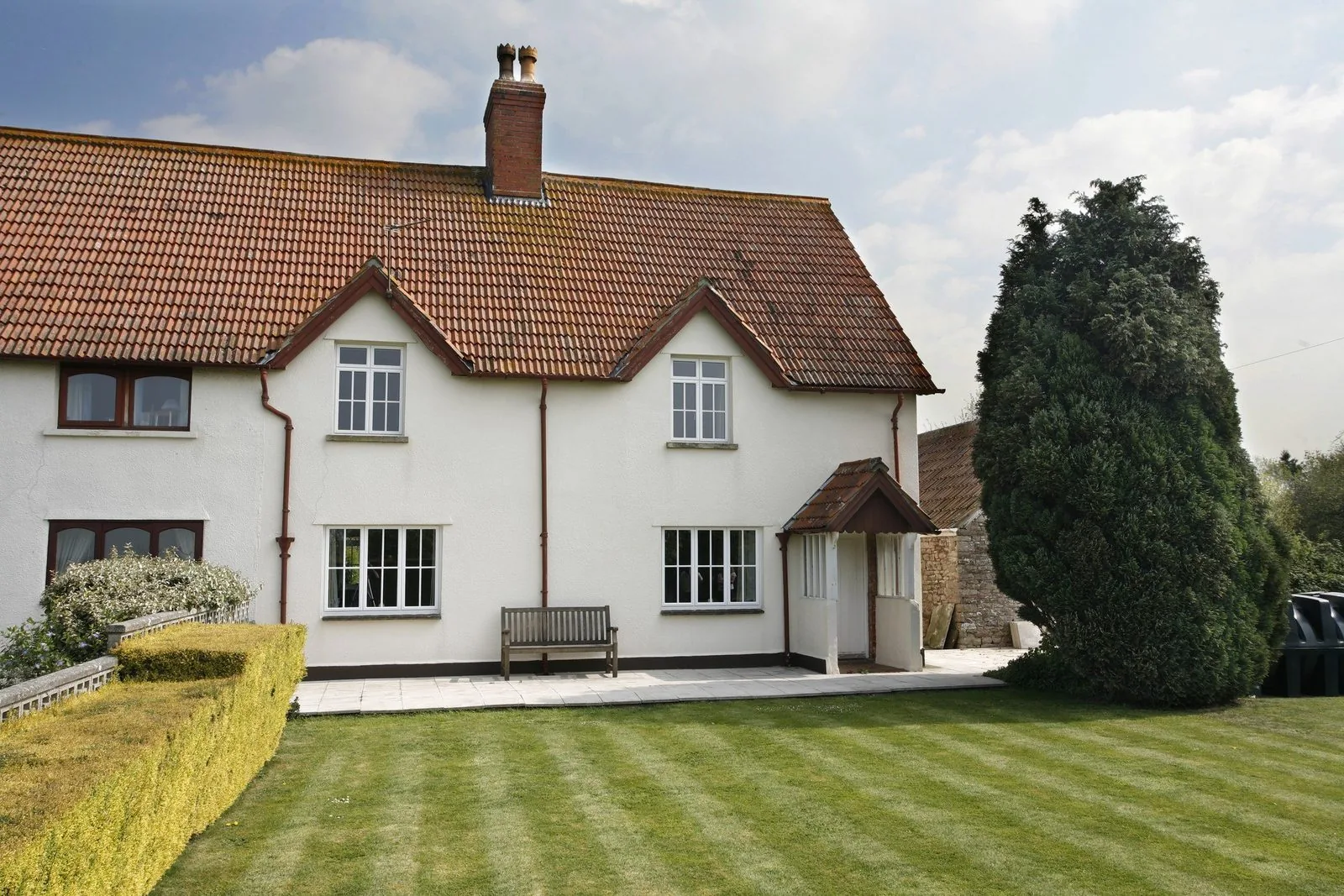
A narrow, rigid frame that holds heavier acoustic glass without excessive visual bulk, powder-coated to match the room.
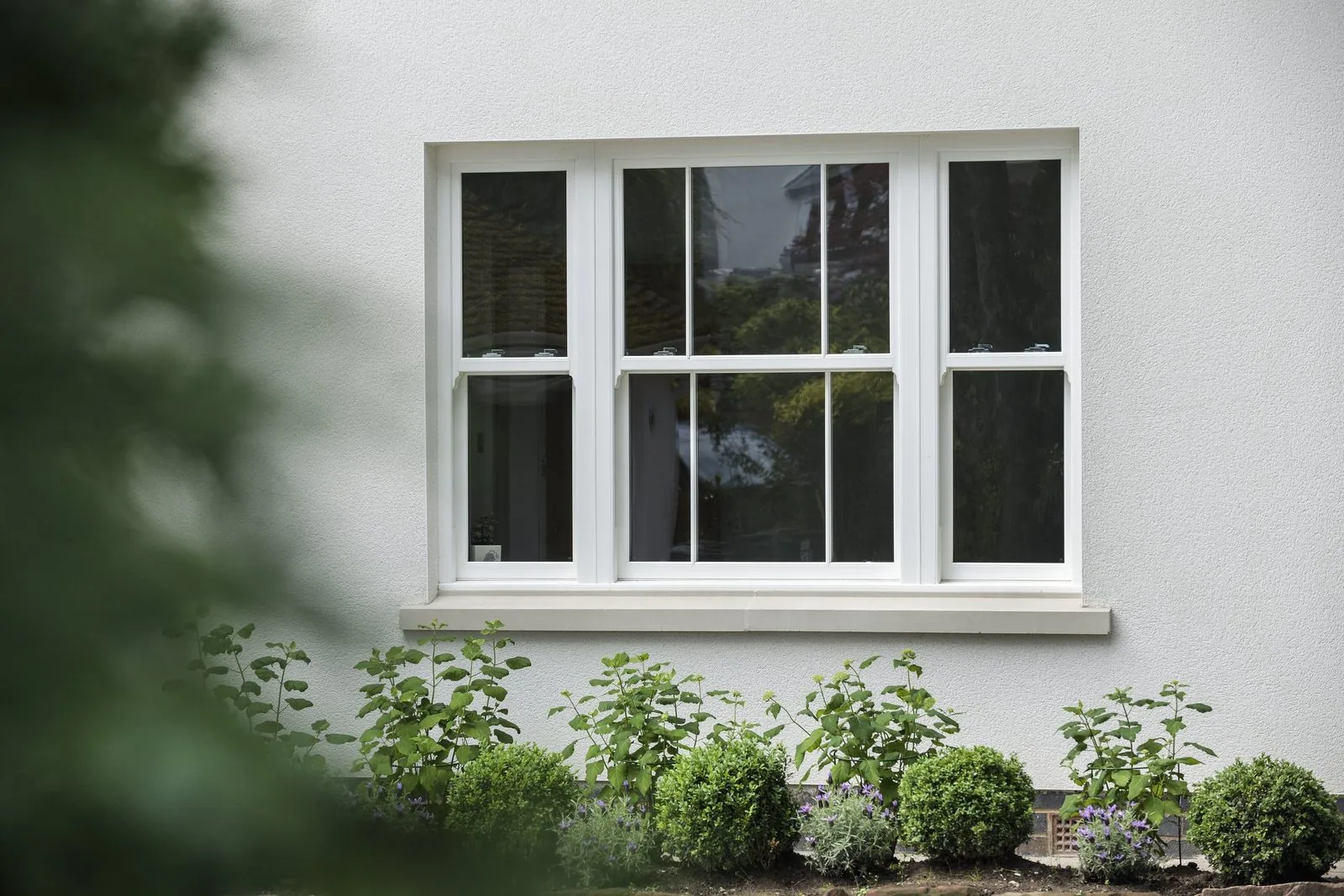
Denser, purpose-made gasket profiles that maintain full contact under compression far more reliably than a standard thermal seal.
Colours & hardware
White
The default finish, disappearing against most reveals regardless of the deeper frame section an acoustic unit sometimes requires.
Matched RAL colours
Powder-coated to match existing joinery, since a deeper acoustic frame benefits more than most from blending into the reveal.
Satin anodised
A neutral metallic option for contemporary interiors where the frame will remain visually prominent.
Horizontal sliders
The most common configuration for acoustic units, allowing a heavier laminated pane to run smoothly on a robust track.
Vertical sliders
Chosen where the acoustic unit sits behind an original sash window and needs to preserve its proportions.
Fixed lights
The best-performing acoustic configuration where the room does not require that particular pane to open, since a fixed seal outperforms any opening one.
Hinged casements
Used sparingly on acoustic projects, since every opening seam is a potential leak path that has to be engineered and checked carefully.
Glass options
The entry acoustic specification, a meaningful step up from float glass and suitable for moderate road noise.
The specification we reach for on arterial roads, flight paths and railway lines, combining higher mass with a damping interlayer.
Used only on the original window side of an asymmetric pairing where the historic glass is being retained rather than replaced.
Security
Acoustic laminated glass carries a security benefit as a by-product of its construction, since the interlayer that damps sound also resists impact and holds fragments together if the glass is broken.
Energy efficiency
An acoustic specification is not chosen for its thermal performance, but the deep cavity and additional pane deliver a substantial thermal improvement as a secondary effect.
Noise reduction
This is the entire purpose of the specification, so we set expectations in real terms: a correctly specified acoustic secondary unit against a single-glazed original commonly achieves a 45 to 50 dB reduction, moving a room from intrusive traffic noise to a background presence.
Maintenance
An acoustic unit is maintained exactly as any secondary glazing is, with one addition: the compression seals that do the acoustic work should be checked periodically since their performance depends on full, even contact.
Frequently asked questions
For a typical single-glazed original window on a busy road, a well-specified acoustic secondary unit with a 150mm to 200mm cavity and asymmetric laminated glass commonly achieves a 45 to 50 dB reduction against the untreated window. That sounds abstract until you translate it: a 10 dB reduction is perceived by the ear as roughly halving the loudness, so a 40 dB improvement is not a marginal effect, it is the difference between a room dominated by traffic and one where it is barely noticeable with the television on.
Sound is a pressure wave, and the air gap between the two panes is what does most of the work of decoupling one from the other. A narrow cavity of 50mm still allows the panes to behave almost as a single mass-spring-mass system with a low resonant frequency, which is exactly the frequency band traffic and aircraft noise sits in. Widening the cavity to 100mm and beyond pushes that resonant dip down out of the range that matters, which is why we will not specify a shallow acoustic unit and call it acoustic.
It means the two panes — the original window and the secondary pane — are deliberately different thicknesses, for example 4mm against 10.5mm acoustic laminate. Matched panes of identical thickness resonate at the same frequency and can reinforce rather than cancel a narrow band of noise, a phenomenon called coincidence dip. Mismatching the mass of the two panes moves their resonant frequencies apart so there is no single frequency where both fail at once.
Flanking transmission is sound entering the room by a path other than through the glass — around an ill-fitting original sash, through an unsealed reveal, via an old airbrick, or through the wall itself. Secondary glazing addresses the airbrick and reveal paths directly, and sealing the original frame's own draughts closes another. It cannot do anything about sound genuinely travelling through solid masonry, though this is rarely the dominant path in a typical London terrace or mansion block.
Aircraft noise is lower frequency and more intermittent than road traffic, and a deep cavity with acoustic laminated glass performs well against it, typically bringing peak overflight noise down from a level that interrupts conversation to one that is a background presence. We would not promise silence during a departure at close range — no glazing achieves that — but a realistic, tested reduction in the region of 40 to 48 dB is achievable and we set that expectation clearly before survey.
Yes. Railway noise includes a higher-frequency wheel-rail component alongside low-frequency rumble, and where a line is close and elevated the vibration path through the building structure can matter as much as the airborne path. Acoustic secondary glazing addresses the airborne component very effectively; where structure-borne vibration is significant, glazing alone will not resolve it and we say so rather than overselling the specification.
Enormously. An acoustic secondary window is only as good as its weakest air path, and a compression seal that has not been correctly selected or fitted will undermine an otherwise correct glass specification. We use dedicated acoustic seals designed for continuous compression rather than the standard gaskets used on a thermal-only unit, and we check compression by hand at every corner during installation, not just at the factory.
It can, but every open path is a compromise against the acoustic seal, so we route ventilation through acoustically attenuated trickle vents or through the original window rather than through the secondary pane itself wherever the room's ventilation strategy allows it. This is assessed room by room rather than applied as a blanket rule.
Yes, and we would rather tell you before you spend the money. Where a bedroom sits directly against a live railway cutting or the flight path of a major airport's closest runway, even the deepest acoustic secondary glazing may leave a residual noise level above what a sensitive sleeper finds acceptable. In those cases we discuss additional measures — acoustic ventilation units, background masking, or in extreme cases a change of room use — honestly rather than promising a specification cannot deliver.
The parent secondary glazing page introduces acoustic laminated glass as one option among several; this page is the deeper technical treatment for households whose primary reason for considering secondary glazing is noise, covering cavity depth, asymmetry, flanking paths and realistic dB expectations in the detail that decision actually needs.
Related articles
Related products
Begin the conversation
A consultation is a conversation about your property — its age, its orientation, its draughts and its planning constraints. You will receive a written specification you can understand and compare, and no follow-up pressure of any kind.
Systems & Profiles We Manufacture
We design and fabricate using premium window and door systems from the UK and Europe's leading manufacturers — so every installation is built on proven, fully warrantied profiles.