
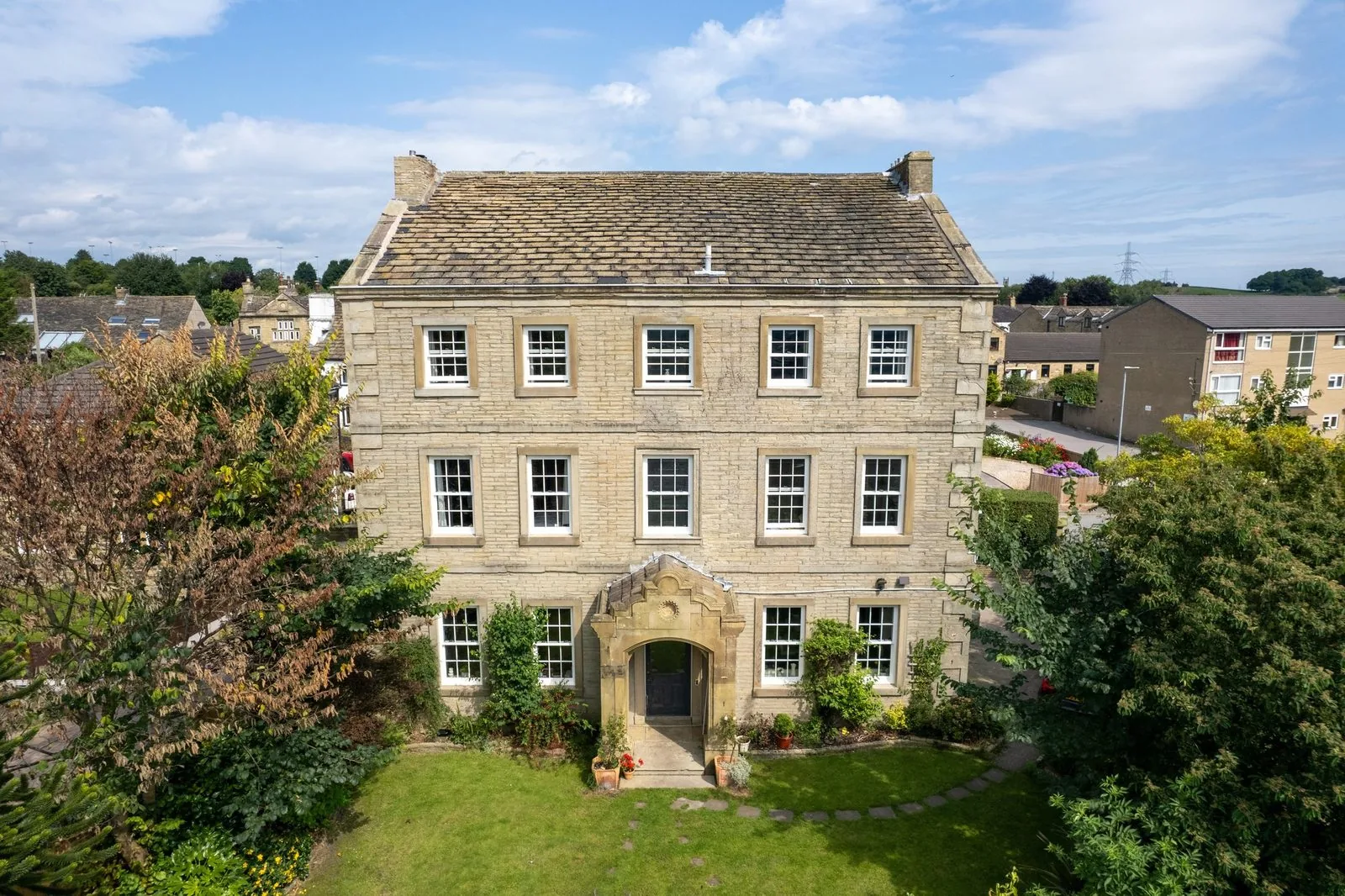
Spiral balance sashes (uPVC or timber)
The modern standard mechanism, needing no cords, weights or cavity, and available across our full sash range.
Windows / Sash / Sliding
The mechanism behind every sash window — spiral balances, sash weight, friction and safety — explained plainly, regardless of which material you eventually choose.
Introduction
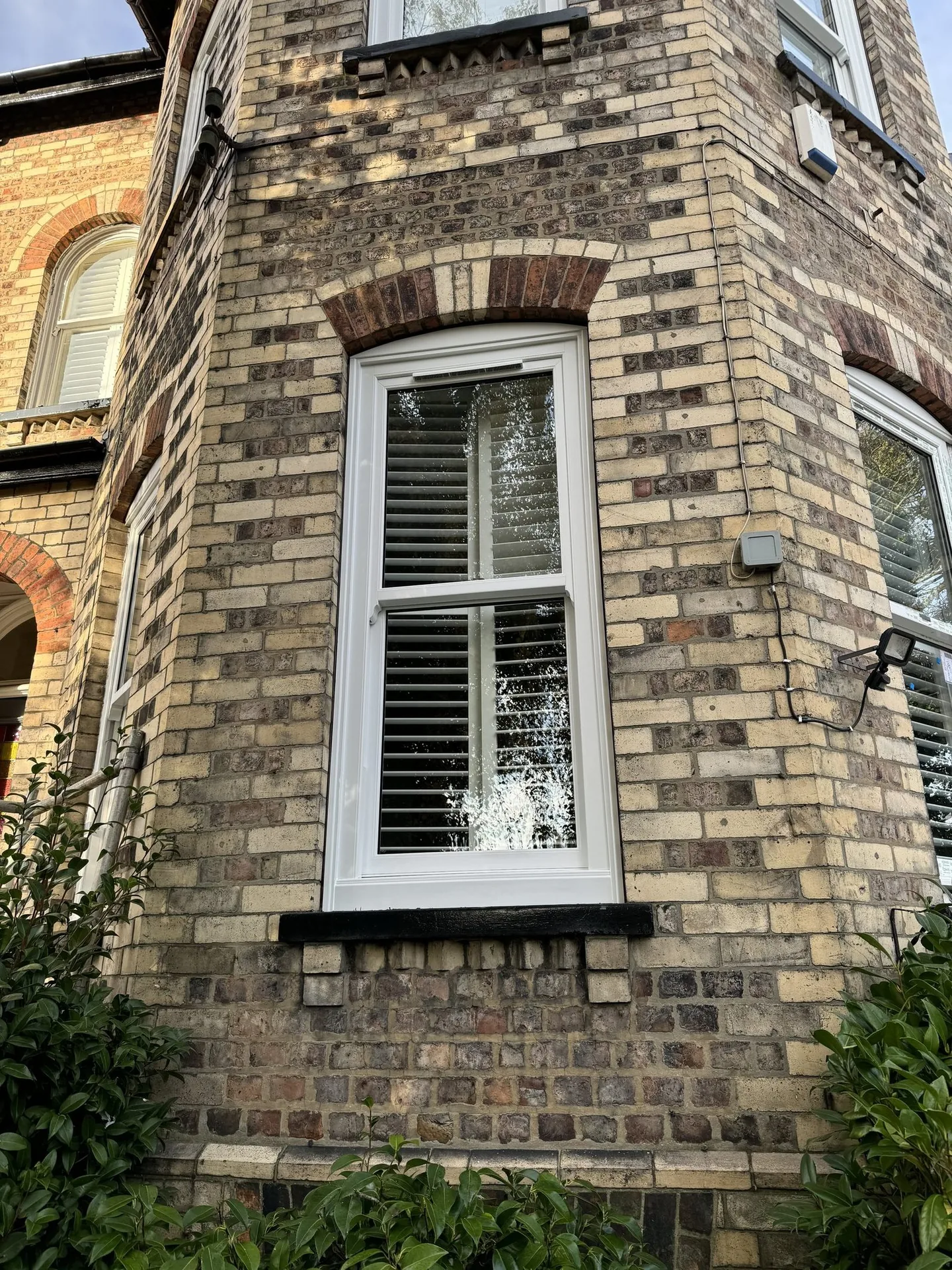
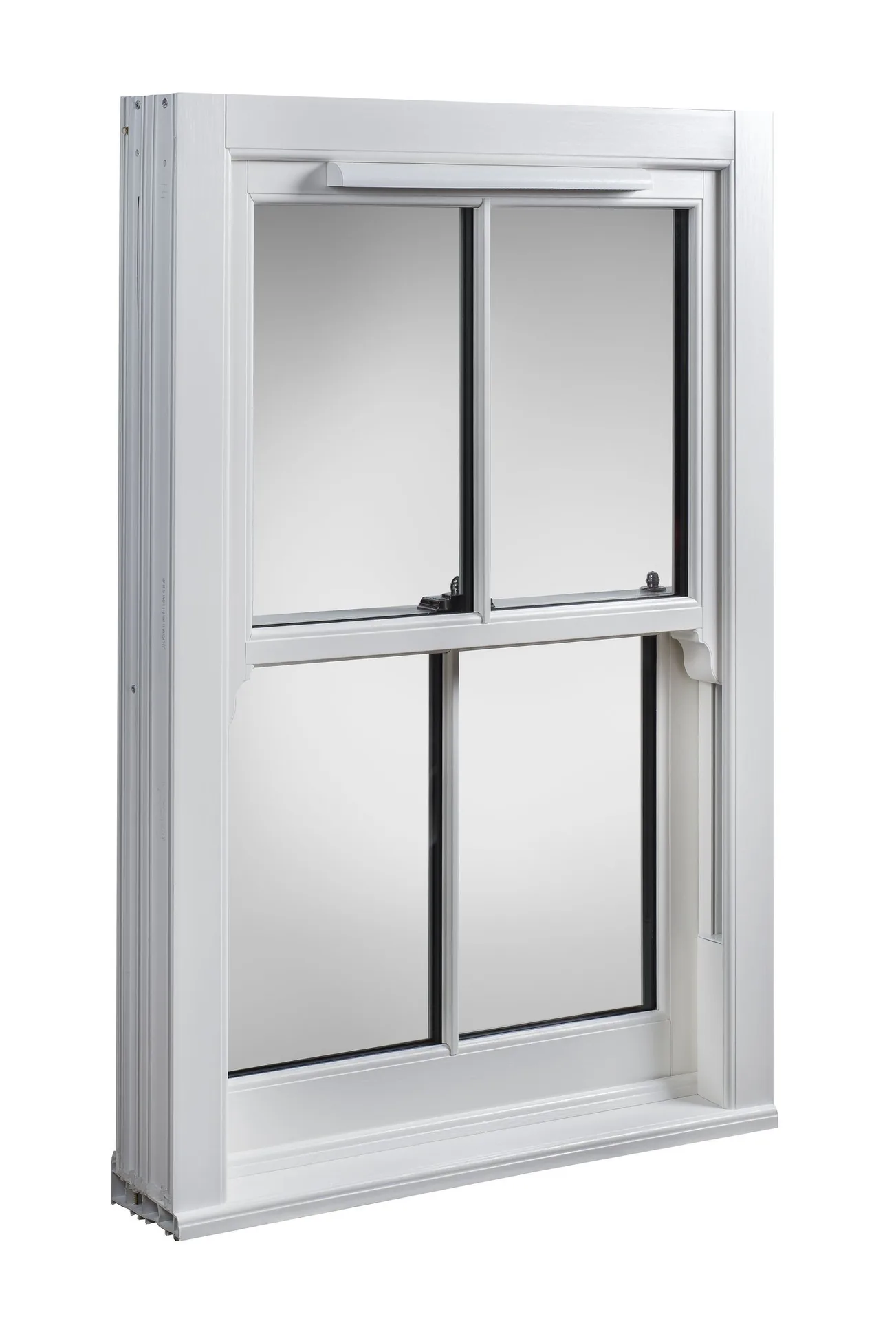
Every sash window, whatever it is made from, depends on a counterbalance system to hold a heavy pane of glass at any height without the user having to support its full weight. Traditional box sashes achieved this with lead or cast-iron weights hanging on cords over pulleys inside a hollow frame; nearly all sash windows made today, in timber or uPVC, instead use a spiral spring balance sized to the exact weight of the glazed sash.
How well this mechanism is specified is the difference between a sash window that glides smoothly for decades and one that feels stiff, drops under its own weight, or refuses to stay open. It is also where most of the practical complaints about sash windows — difficulty opening, draughts, awkward cleaning — actually originate, rather than in the material or the glazing bar pattern.
This page sets out how the mechanism works and the choices within it: balance sizing, tilt-in access, friction management and safety restriction. For material-specific detail, see our uPVC sash and timber sash pages; for period-accurate glazing on top of a correctly specified mechanism, see our heritage sash page.
Beautiful homes begin with better advice.
We would rather spend an hour explaining why something is not right for your property than sell it to you.
Who this suits
This specification matters most to households where the window will genuinely be operated regularly — bedrooms needing ventilation, kitchens above worktops where reaching a stiff sash is inconvenient, and upper floors where safety restriction and ease of operation both carry real weight in the decision.
It also matters disproportionately once you move to double or, occasionally, triple glazing in a sash, since the added weight of the glass unit changes the balance sizing required. A specification carried over unchanged from a single-glazed original will almost always feel wrong once heavier glass is fitted.
Anyone specifying sash windows for upper floors, for a household with young children, or for a property where external cleaning access is genuinely difficult should treat the mechanism as a primary decision, not an afterthought to the glazing bar pattern.
Benefits
A spiral balance removes the need for a hollow weighted box, freeing up frame depth for insulation or a slimmer overall section.
Correctly sized balances hold their tension for decades with no periodic servicing, unlike cords which perish and need replacement.
Integrated restrictors limit opening height without any visible compromise to the window's appearance.
Tilt-in sashes bring the external glass face safely within reach from inside the room.
Features
Material options
The modern standard mechanism, needing no cords, weights or cavity, and available across our full sash range.
The original mechanism, retained on restorations and available on new timber sashes where full authenticity is required.

Supplementary friction components fitted to larger or heavier sashes to fine-tune resistance beyond the balance alone.
Colours & hardware
Concealed mechanism, any frame colour
The balance and running gear sit entirely within the box jamb, so mechanism choice has no bearing on external colour options.
Matched hardware finishes
Restrictors and tilt-in latches are available in finishes coordinated with the sash fasteners and lifts.
Spiral balances
Tensioned steel rod balances rated by weight, the core mechanism behind virtually all modern sliding sashes.
Tilt-in latches
Release mechanisms allowing the sash to pivot inward from its track for cleaning.
Safety restrictors
Concealed stops limiting opening height, with a key override for full opening when required.
Anti-drop devices
Secondary stops preventing sudden sash fall in the unlikely event of balance failure.
Sash lifts and fasteners
The visible ironmongery that complements the concealed mechanism, in a wide range of finishes.
Glass options
The most common glazing specification, requiring balances rated for typical sealed unit weight.
Lighter than standard units, allowing a lighter balance rating and often smoother overall operation.
Heavier than standard glazing, requiring a correctly upgraded balance rating to avoid a sash that drops or feels stiff.
Occasionally specified on exposed elevations, requiring the heaviest balance rating and a robust frame section.
Security
The sliding mechanism itself contributes to security by making it difficult to force a sash beyond its restrictor or lift it from its track without specialist tools, provided anti-lift devices are correctly fitted.
Energy efficiency
A correctly tensioned balance and well-fitted brush seal contribute directly to thermal performance, since a poorly sealed running channel is one of the most common sources of draughts in any sash window.
Noise reduction
The mechanism's sealing quality affects acoustic performance almost as much as the glass itself, since any gap around a poorly balanced sash becomes a direct path for sound.
Maintenance
The sliding mechanism is generally the lowest-maintenance part of a sash window, though it benefits from occasional inspection, particularly on original weighted box sashes.
Frequently asked questions
A spiral balance is a tensioned steel rod twisted through a spinner mechanism inside a slim plastic tube, which is fixed vertically within the sash channel. As the sash is raised or lowered, the spiral rod resists the movement with a counteracting force calibrated to the sash's weight, allowing it to hold position at any height without needing traditional weights and cords.
Balances are rated in pounds or newtons of resistance and selected according to the calculated weight of the glazed sash, which increases significantly once double or triple glazing and any acoustic laminated glass are added. An undersized balance will let the sash drop under its own weight; an oversized one will make it feel stiff and difficult to lower. We calculate this per project rather than fitting a single default size across a range of sash sizes.
A tilt-in sash releases from its running channel at the top and pivots inward on hinges at the bottom, allowing the outer face of the glass to be cleaned from inside the room. It is genuinely useful on upper floors and anywhere external access is difficult or requires a ladder, though it adds a small amount of mechanical complexity and cost over a fixed-track sash.
Usually one of three causes: a balance that is undersized or has lost tension over time, paint or debris built up in the running channel restricting movement, or seals fitted with too much compression. All three are straightforward to diagnose and correct without replacing the window.
A safety restrictor limits how far a sash can be opened, typically to around 100mm, to reduce the risk of a child falling from an upper floor window. Current Building Regulations require restrictors on new windows above ground floor level in some circumstances, and we fit them as standard on upper floor sashes regardless, with a simple key-release override for adults.
Frequently, yes. Paint bound into the running channel, perished cords or a seized pulley are the most common causes and are all repairable by a joiner without full sash replacement, provided the box frame itself is structurally sound.
They are designed for a very long service life and rarely fail outright, but tension can reduce slowly over decades of use. Replacement balances are a standard, inexpensive component and do not require replacing the sash or frame around them.
Brush pile seals are designed to provide draught resistance with minimal friction against the sliding sash, but overly compressed or poorly fitted seals can noticeably stiffen operation. This is a common issue with budget installations and is one of the details we check specifically during specification.
The spiral balance principle is identical in both materials, but the channel it runs within differs — a slim plastic-lined groove in uPVC profile versus a routed or applied channel in timber. Timber box sashes retaining original weights use an entirely different mechanism, described on our timber sash page.
Generally not as a retrofit to an existing frame; tilt-in hardware needs to be designed into the sash and frame from manufacture. It is, however, a straightforward option to specify when replacing sashes.
Related articles
Related products
Begin the conversation
A consultation is a conversation about your property — its age, its orientation, its draughts and its planning constraints. You will receive a written specification you can understand and compare, and no follow-up pressure of any kind.
Systems & Profiles We Manufacture
We design and fabricate using premium window and door systems from the UK and Europe's leading manufacturers — so every installation is built on proven, fully warrantied profiles.