
uPVC tilt & turn
Six-chamber profiles with reinforced sash members and heavy-duty gearing. The most economical route into the mechanism and the strongest thermal value.
Windows / Tilt & Turn
One handle, two functions: secure ventilation on the tilt, and a fully inward opening sash you can clean, escape through and dress with glass rather than frame.
Introduction
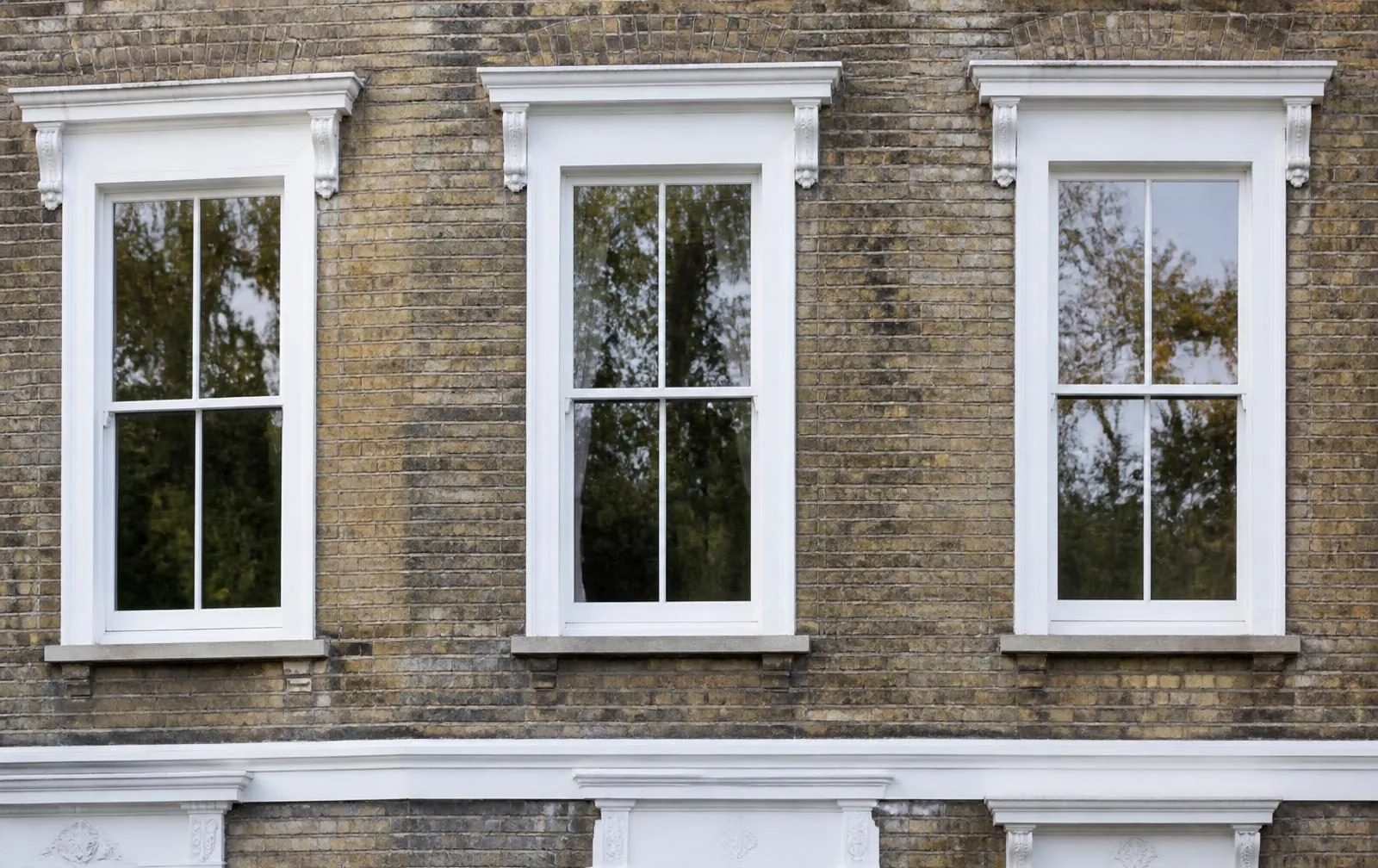
Across Germany, Austria and Scandinavia the tilt and turn window is not a premium option, it is the default. The reason is mechanical: a sash that pulls inward against a continuous gasket on all four edges seals more completely than one hinged on a single jamb, and a single gear train can hold that sash in two entirely different positions without any additional hardware.
In the United Kingdom they remain a considered choice rather than a habit, and that is fair — inward opening genuinely conflicts with the way many British interiors are dressed. Our job is to tell you where the geometry earns its cost and where it simply gets in the way of your curtains.
Where they are unarguably right is high-level and inaccessible glazing, apartments above the ground floor, windows above conservatory and flat roofs, narrow side passages where an outward sash would foul the boundary, and loft conversions that need a generous escape aperture. In those situations no other window type does the job as neatly.
Beautiful homes begin with better advice.
We would rather spend an hour explaining why something is not right for your property than sell it to you.
Explore the range
Tilt & turn windows in real homes
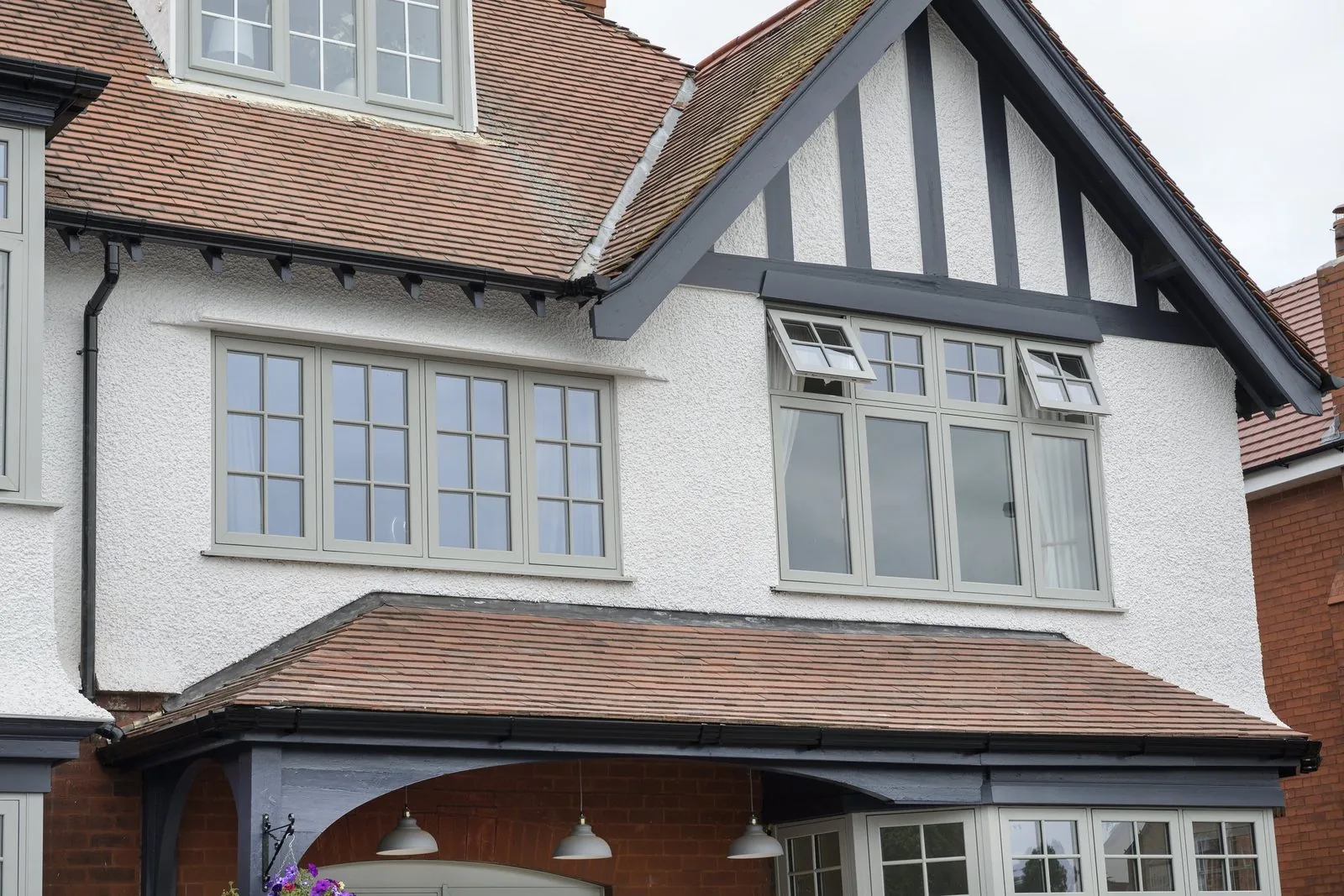
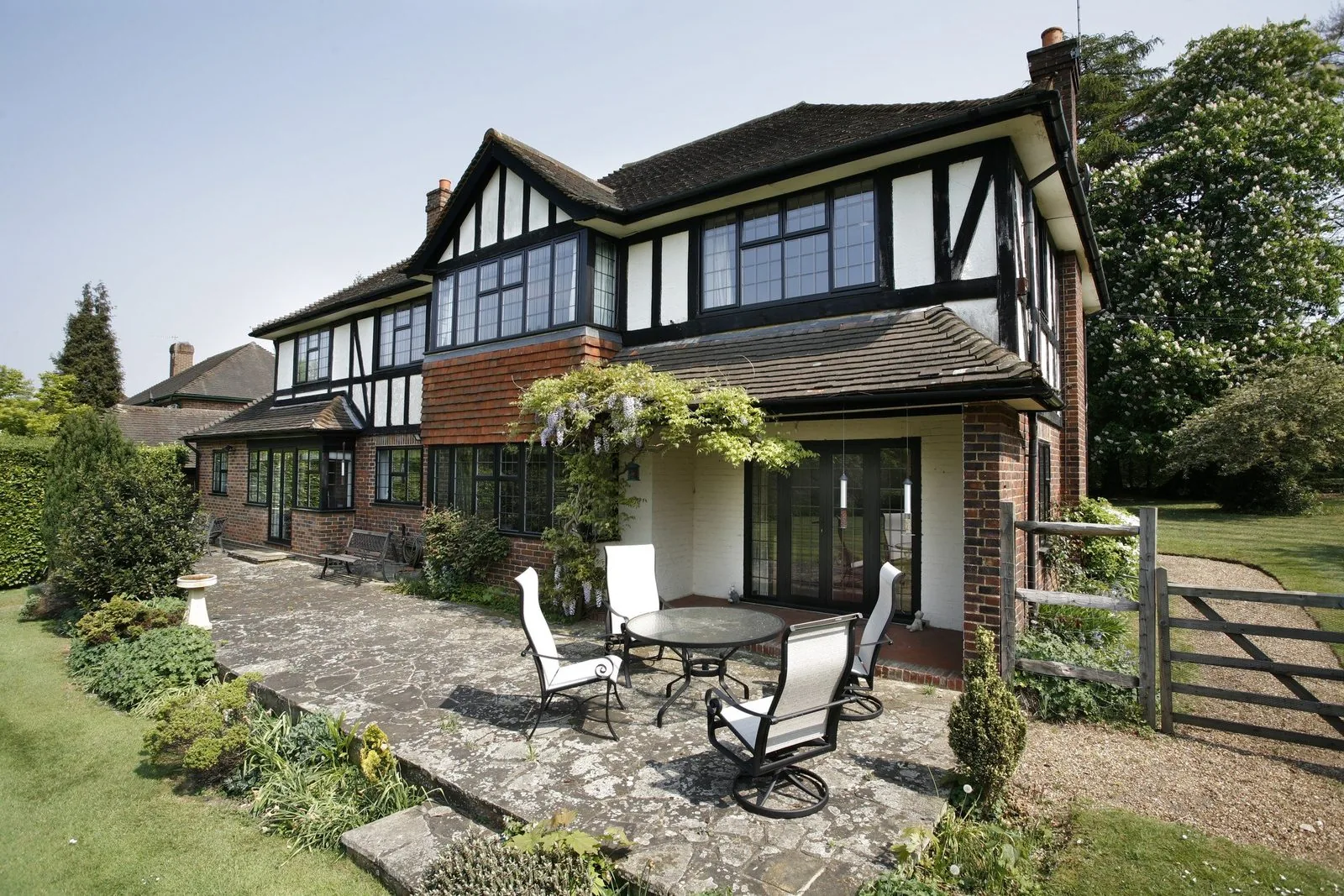
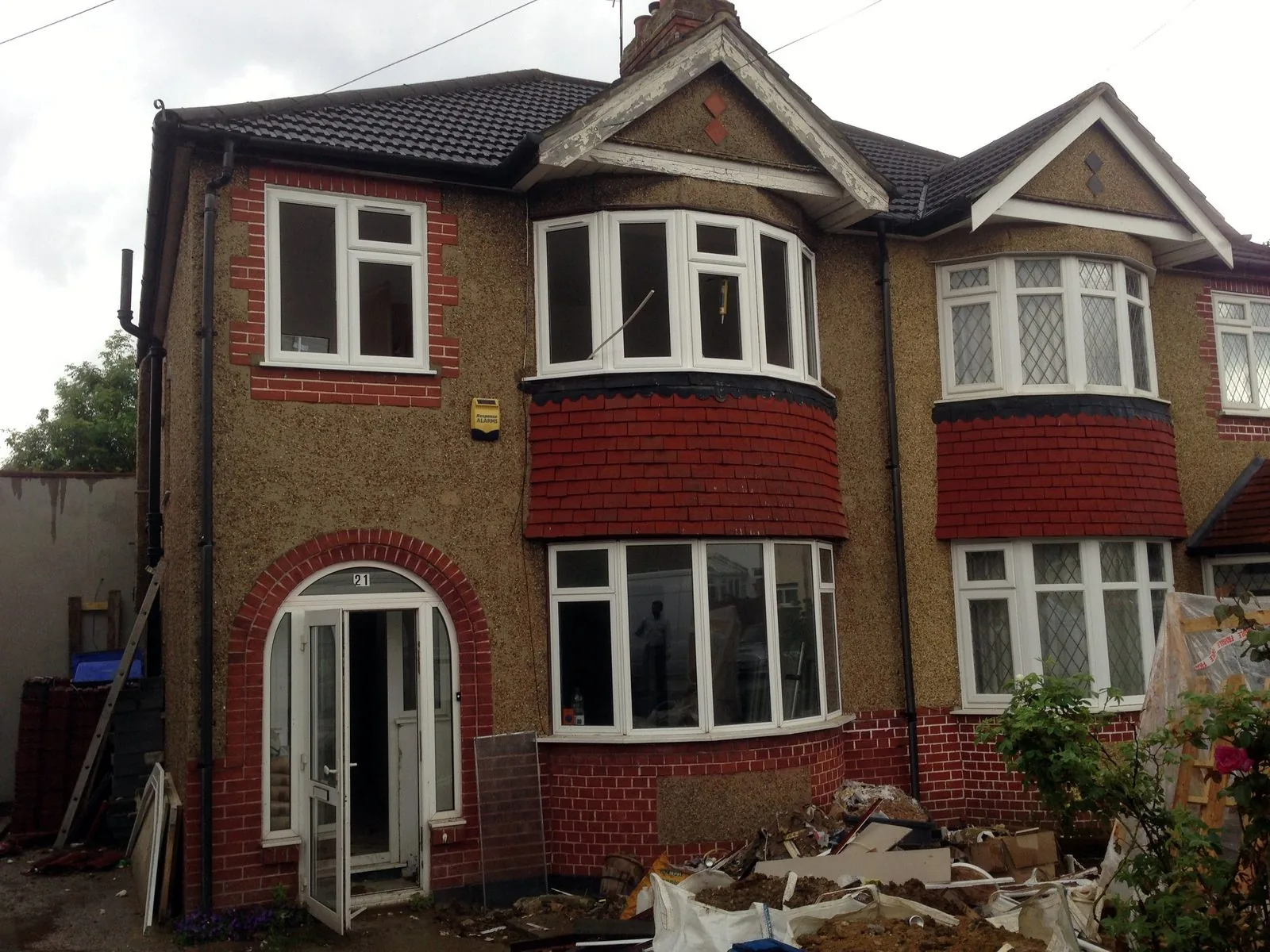
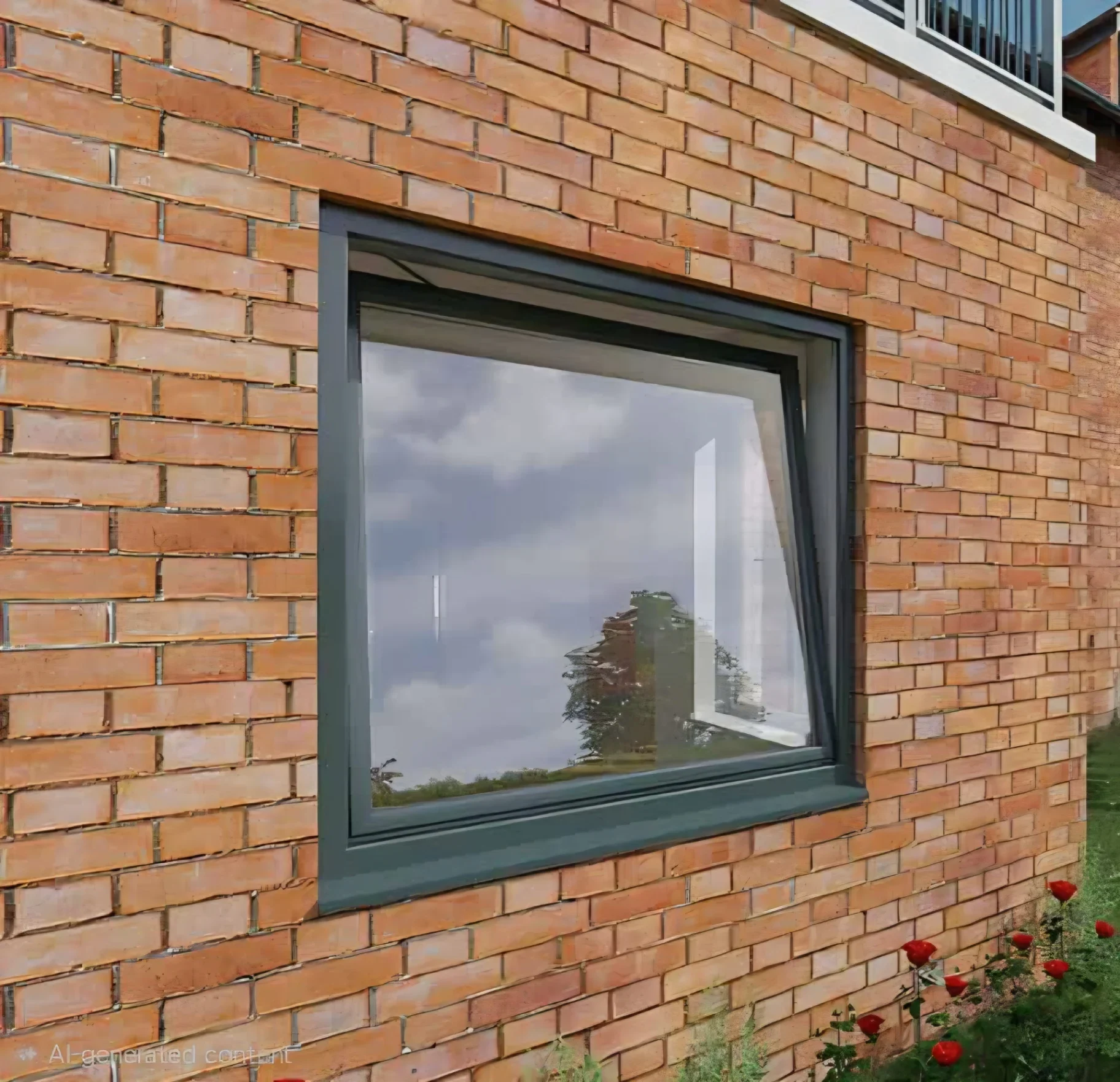
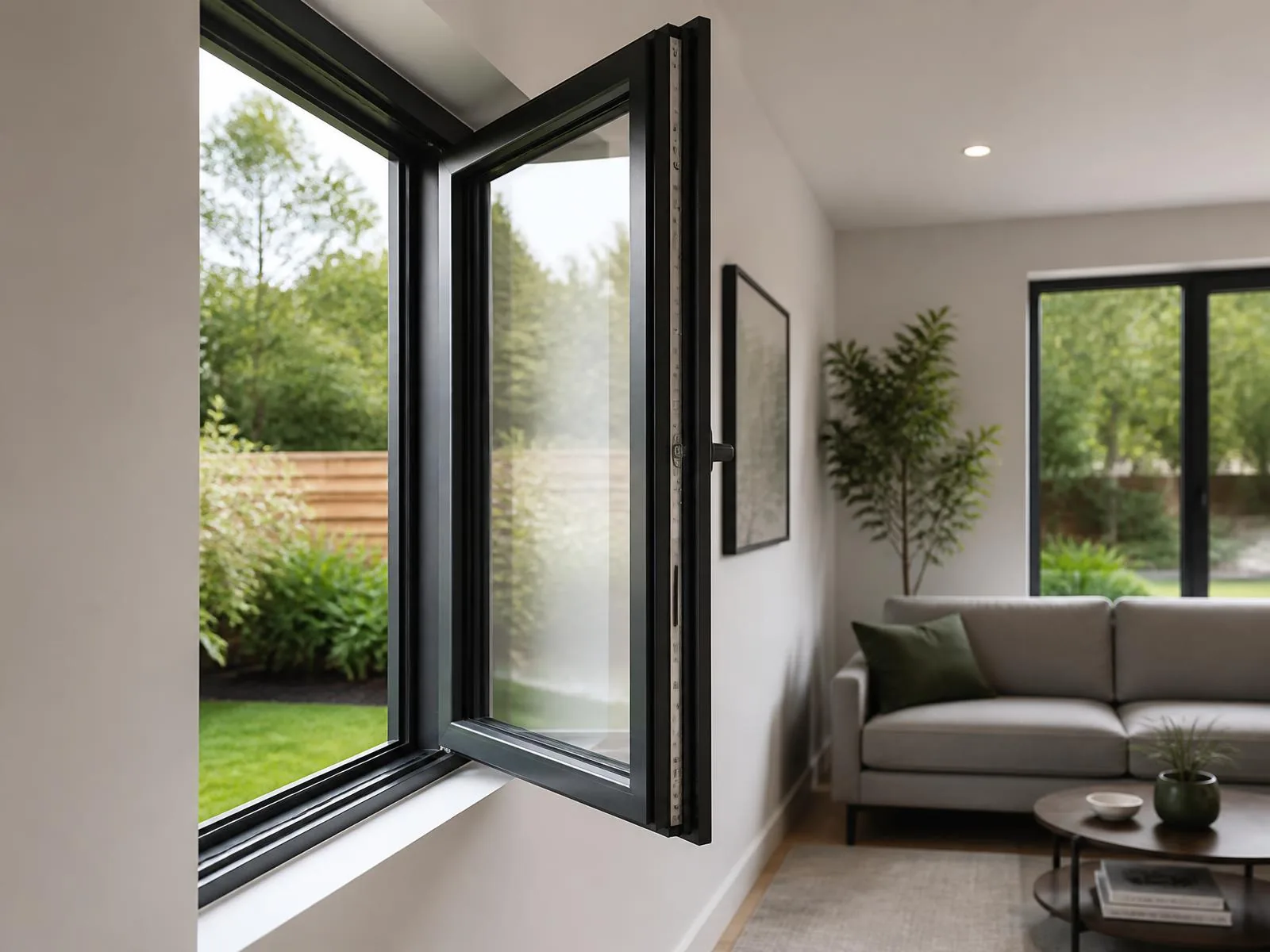
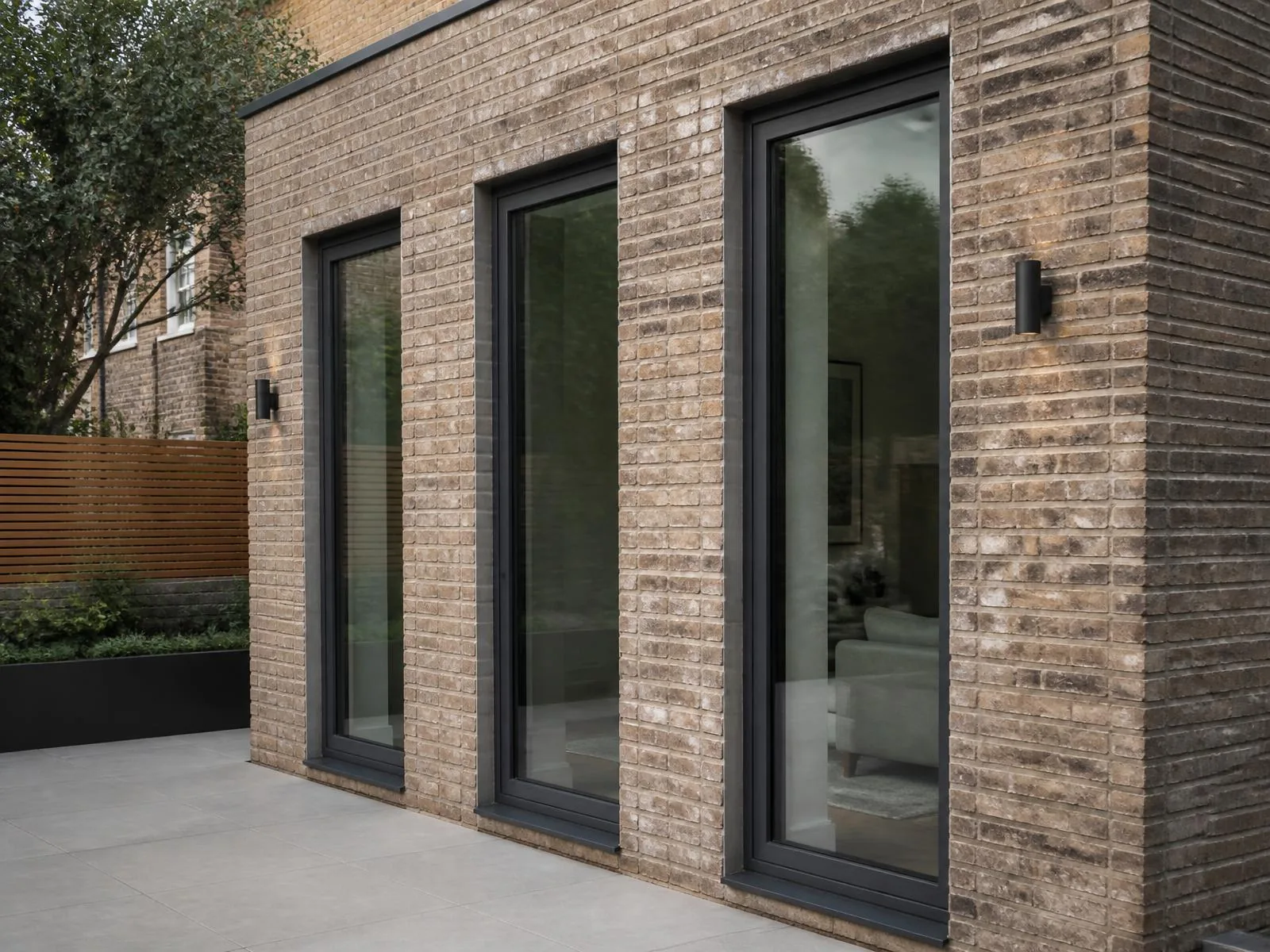
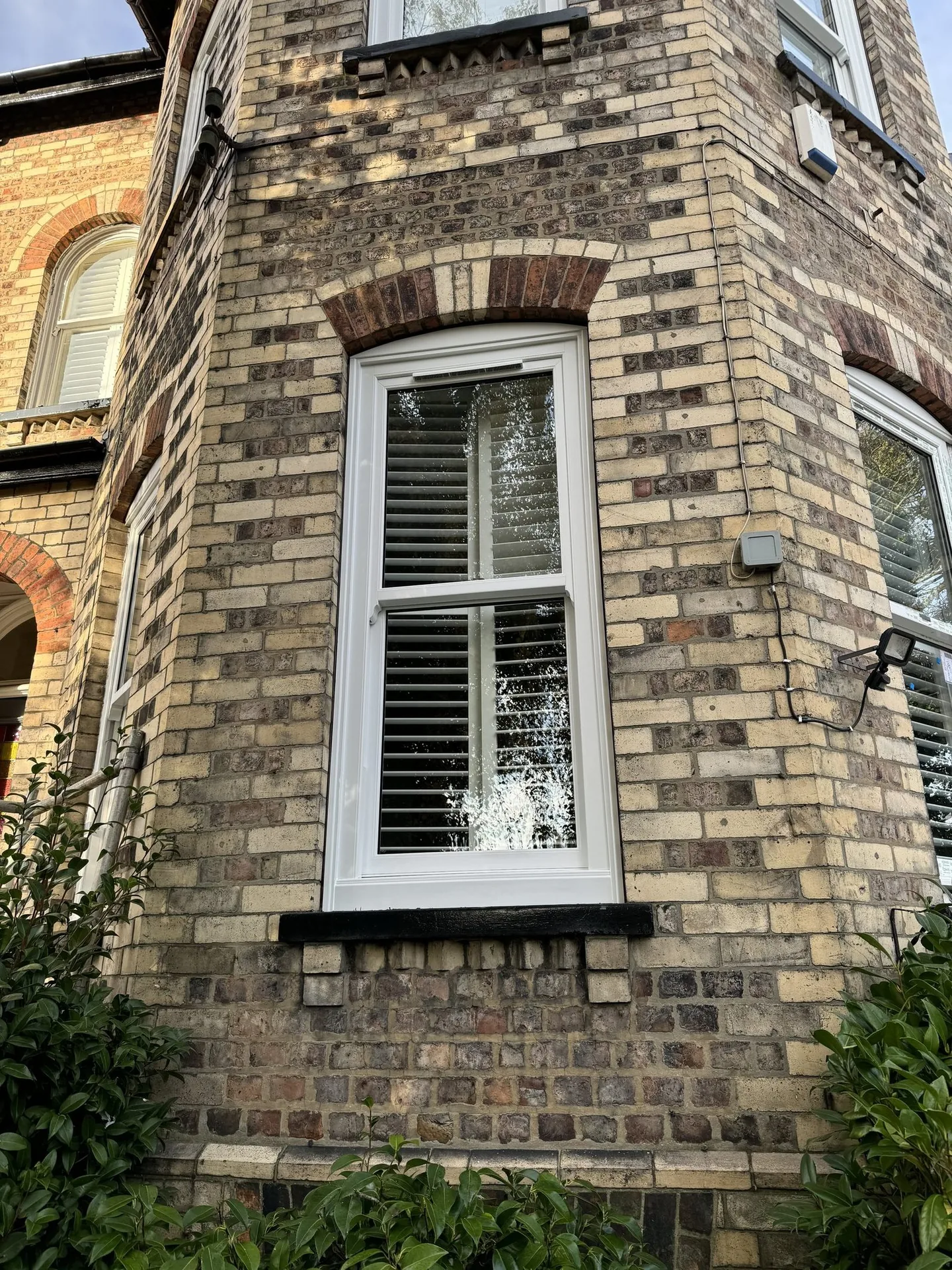
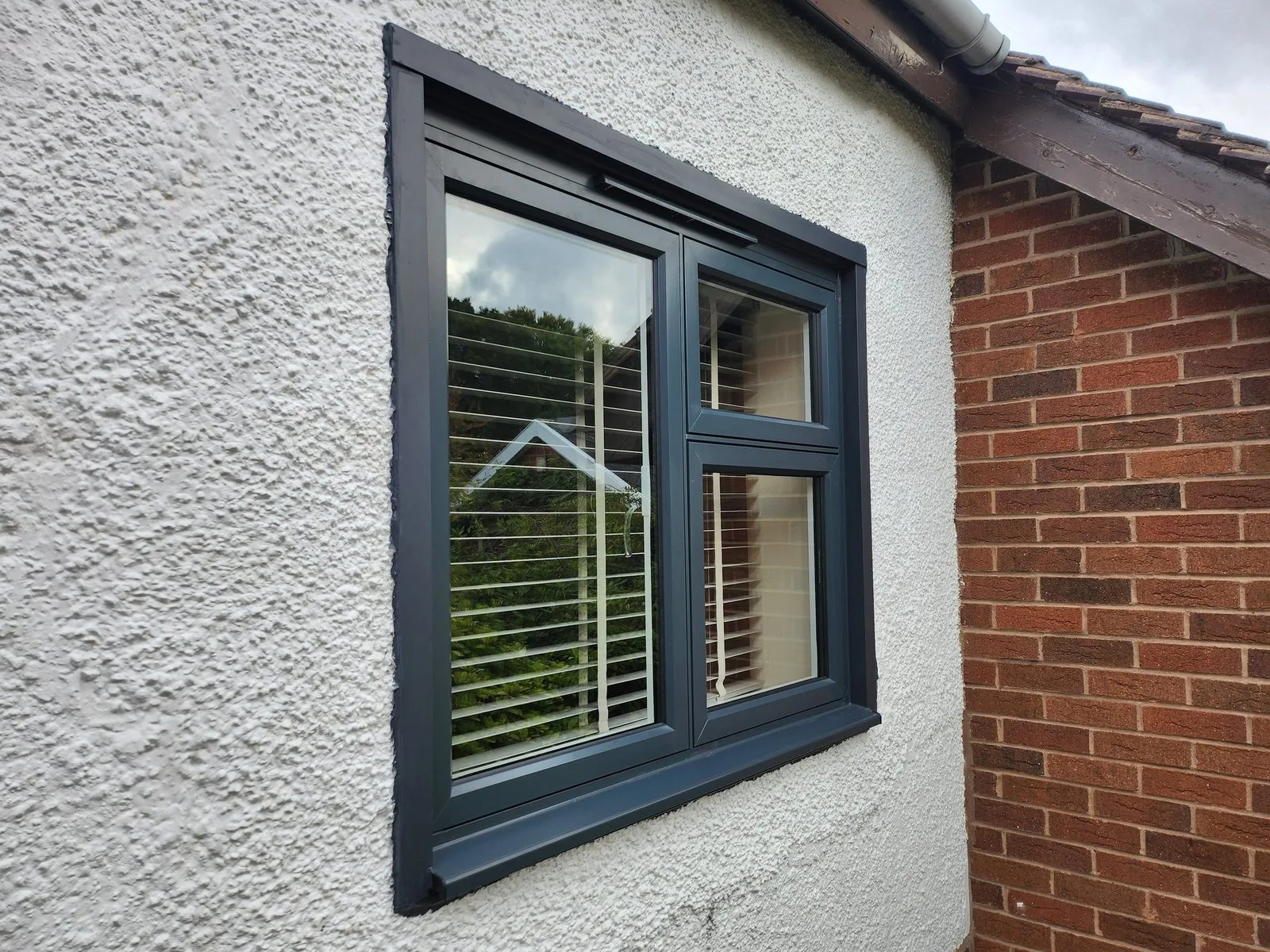
The installations below show both functions and the two finishes we specify most often for tilt and turn openings — matt black and anthracite grey. Look at how much of the reveal the inward sash needs, and how the frame depth sits against brick and render.
Matt black aluminium, living room
The same handle rotated to the horizontal position turns the sash into an inward opening door. You can see the multi-point locking strip along the sash edge and the hinge set concealed within the frame rebate — nothing exposed externally.
Anthracite grey aluminium, London brick
Where tilt and turn earns its cost: full-height sashes carried on frame-mounted gearing rather than cantilevered outward. Slim sightlines keep the glass dominant across a run of narrow openings.
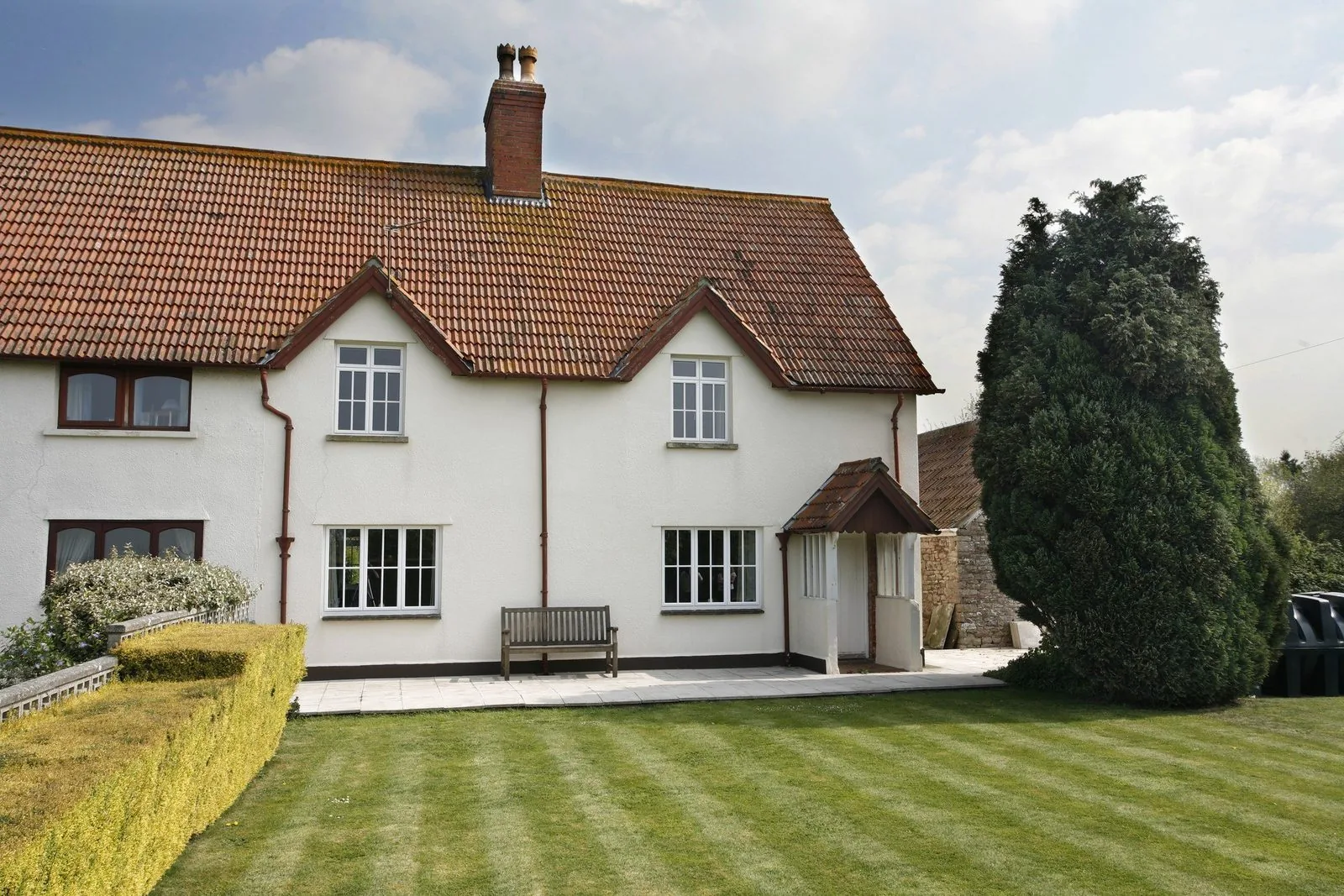
White uPVC, close range
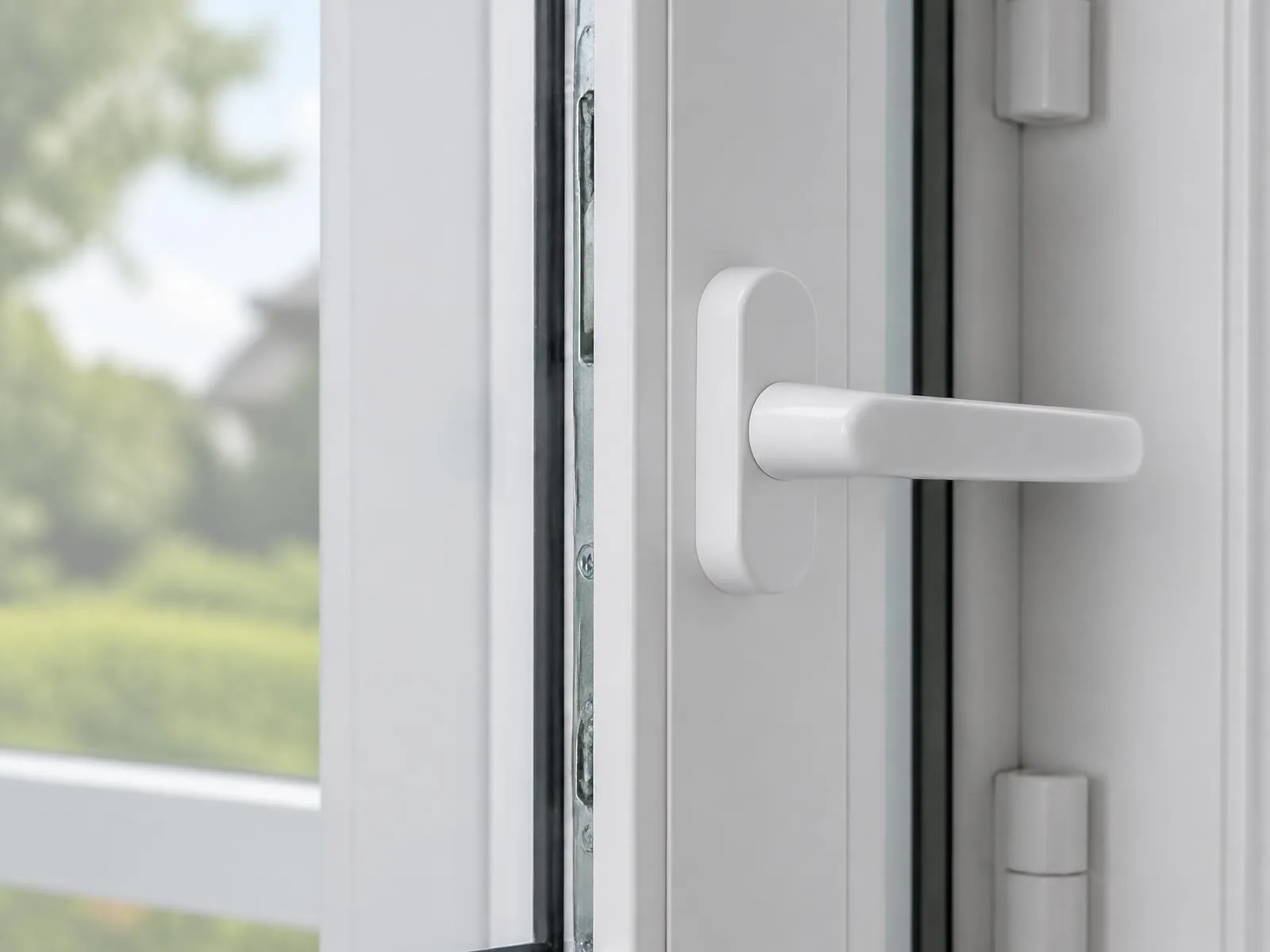
One handle, two functions. The espagnolette gear drives locking points around all four sides of the sash, which is why air permeability and security figures on a tilt and turn are usually the best of any opening window we supply.
Colours, opening restrictors and handle options are set per project. Send a photograph of the opening and we will tell you honestly whether inward opening suits the room before anything is ordered.
Who this suits
The test is simple: is there something outside the window that an opening sash would hit, or something outside the window you cannot safely reach to clean? If either answer is yes, tilt and turn deserves serious consideration before anything else.
They are also the natural specification where a very tall, single-sash opening is wanted with as little frame interruption as possible. A casement that size would need splitting into multiple lights; a tilt and turn can carry it as one pane, so the view stays uninterrupted.
Where we would steer you elsewhere: period front elevations, rooms with full-length curtains or internal shutters, deep windowsills used for display or planting, and any room where furniture must sit tight against the wall beneath the window.
Benefits
Swing the sash fully inward and the external face is in front of you. No ladders, no cradle, no cherry picker on upper floors.
The tilt position moves air through the head of the window while the sash stays captive and rain is largely deflected.
Compression gaskets on all four edges of the sash give the lowest air permeability figures of any opening window in the range.
With the sash swung clear the whole aperture is unobstructed, usually exceeding the escape dimensions a casement can offer.
Features
Material options
Six-chamber profiles with reinforced sash members and heavy-duty gearing. The most economical route into the mechanism and the strongest thermal value.
Polyamide thermally broken frames with slim sightlines, carrying the largest and heaviest sashes we can supply in this configuration.
Engineered timber internally with an aluminium weather shell externally. Specified where the internal finish must read as joinery.
Colours & hardware
White
The most economical finish and the easiest to match where the rest of the house is already white.
Anthracite grey RAL 7016
The most requested contemporary finish, usually dark externally with a white or grey internal face.
Jet black and graphite
Suits rendered elevations, dark brick and glazed extensions where the frame is meant to disappear.
Dual colour
A dark external face with a light internal one, keeping rooms bright without compromising the elevation.
Woodgrain foils
Available on uPVC systems where a softer, timber-like appearance is wanted on a rear elevation.
Dual-action gearing
The core mechanism. Continuous drive around the sash perimeter, engaging cams into keeps in both tilt and turn positions.
Single lever handle
Three positions — locked, turn, tilt — in white, chrome, brushed steel, black and anthracite, with key-locking options.
Concealed hinge sets
Load-rated to the sash weight and hidden inside the rebate, so there is nothing exposed externally to attack.
Restrictors and child safety
Turn-function restrictors and lockable handles allow the window to be left in tilt-only operation.
Night vent latches
Hold the tilt position securely for overnight background ventilation without leaving the sash free.
Glass options
Low-E inner pane, argon-filled cavity and warm-edge spacer. The standard specification across the range.
44mm units in deeper frames, reaching around 0.8 W/m²K where the gearing is rated for the additional weight.
Asymmetric pane thicknesses with an acoustic interlayer, effective on main roads and flight paths.
Worth specifying on south and west elevations, particularly on large single-sash openings.
Standard on accessible openings and recommended anywhere the sash swings into a circulation space.
Full privacy range for bathrooms, en-suites and overlooked side elevations.
Security
Structurally this is the most defensible opening window we supply. The gearing locks on all four sides rather than one, the hinges are inside the frame where no tool can reach them, and the glass is bedded from inside.
Energy efficiency
Four-sided compression is what makes the difference. The sash is pulled tight into the gasket by the gearing rather than simply resting against it, and the frames are deeper than a comparable casement.
Noise reduction
Acoustic performance comes from the glass build-up, but the four-sided seal removes the flanking paths that usually undermine it. On a busy road this configuration measures well.
Maintenance
The gearing is the one part worth attending to. It is a mechanical drive doing more work than a casement lock, and a few minutes of lubrication a year is the difference between fifteen years of smooth operation and a stiff handle.
Frequently asked questions
One handle drives two separate actions through a single gear mechanism. Turned to the horizontal position, the sash swings fully inward on side hinges like a door. Turned to the vertical position, the top of the sash tips inward by around 100mm while the bottom stays held by the gearing, giving secure background ventilation. It is the standard window across most of northern Europe.
Three practical reasons. You can clean the outside face from inside the room, which matters above a ground floor, over a conservatory roof or above a flat roof. There is no sash swinging out over a balcony, walkway, patio seating or a narrow side passage. And the tilt position ventilates through poor weather without leaving a wide open aperture at child height.
This is the honest limitation. An inward opening sash needs the reveal clear, so full-length curtains, deep sills and internal shutters all conflict with it. Blinds fitted to the sash itself, or a top-fixed roller mounted forward of the swing, solve it — but if your interior depends on heavy dressed curtains, a casement is the better window.
Yes, generally more so. The gearing engages multiple locking points around all four sides of the sash rather than along one jamb, and the hinges sit inside the frame rebate where they cannot be reached from outside. Combined with internal beading, there is very little to attack externally.
Yes. With the sash swung fully inward the whole aperture is clear, which typically gives a larger unobstructed opening than a side hung casement of the same size. That makes them a strong choice for loft conversions and bedrooms where Building Regulations Part B egress dimensions must be met.
The tilt position is inherently restricted — the opening is at the head of the sash and the bottom stays captive. Handles can be key-locking and restrictors can limit the turn function entirely, so the window can be left in tilt-only use.
Very well. The sash compresses into a continuous gasket on all four sides and the frames are usually deeper than a standard casement, so U-values from 1.2 W/m²K in double glazing and around 0.8 W/m²K in triple glazing are routine. Air permeability figures are typically the best of any opening window we supply.
Larger than a casement, because the hinges and gearing carry the weight against the frame rather than cantilevering it outward. Around 1.4m by 2.4m is achievable in aluminium and slightly less in uPVC. Very tall sashes are where tilt and turn earns its keep — a full-height casement that size would be unmanageable.
Usually yes, in the order of 15 to 30 percent, because the gearing and hinge sets are more substantial and the frames are deeper. Whether that is worth paying depends entirely on whether the inward opening solves a real problem for your property — if it does not, we will tell you to save the money.
Rarely on a period front elevation, because the frame proportions and the single large sash read as modern. They are excellent on rear elevations, extensions, apartments, loft conversions and contemporary homes, and often the only sensible option for high-level glazing you cannot otherwise reach.
Related articles
Related products
Begin the conversation
A consultation is a conversation about your property — its age, its orientation, its draughts and its planning constraints. You will receive a written specification you can understand and compare, and no follow-up pressure of any kind.
Systems & Profiles We Manufacture
We design and fabricate using premium window and door systems from the UK and Europe's leading manufacturers — so every installation is built on proven, fully warrantied profiles.