
Most window decisions go wrong not because a bad product was chosen, but because the decision started in the wrong place — with a material preference or a headline price, rather than with what the property, its planning context and its occupants actually need. Working through the decision in the right order produces a shortlist that is both appropriate and easy to defend, whether to a conservation officer, a partner, or your own future self comparing quotes.
This guide sets out that order: property context first, then orientation and noise, then a realistic budget band, and only then material and glazing specification — finishing with the questions worth asking any installer before signing.
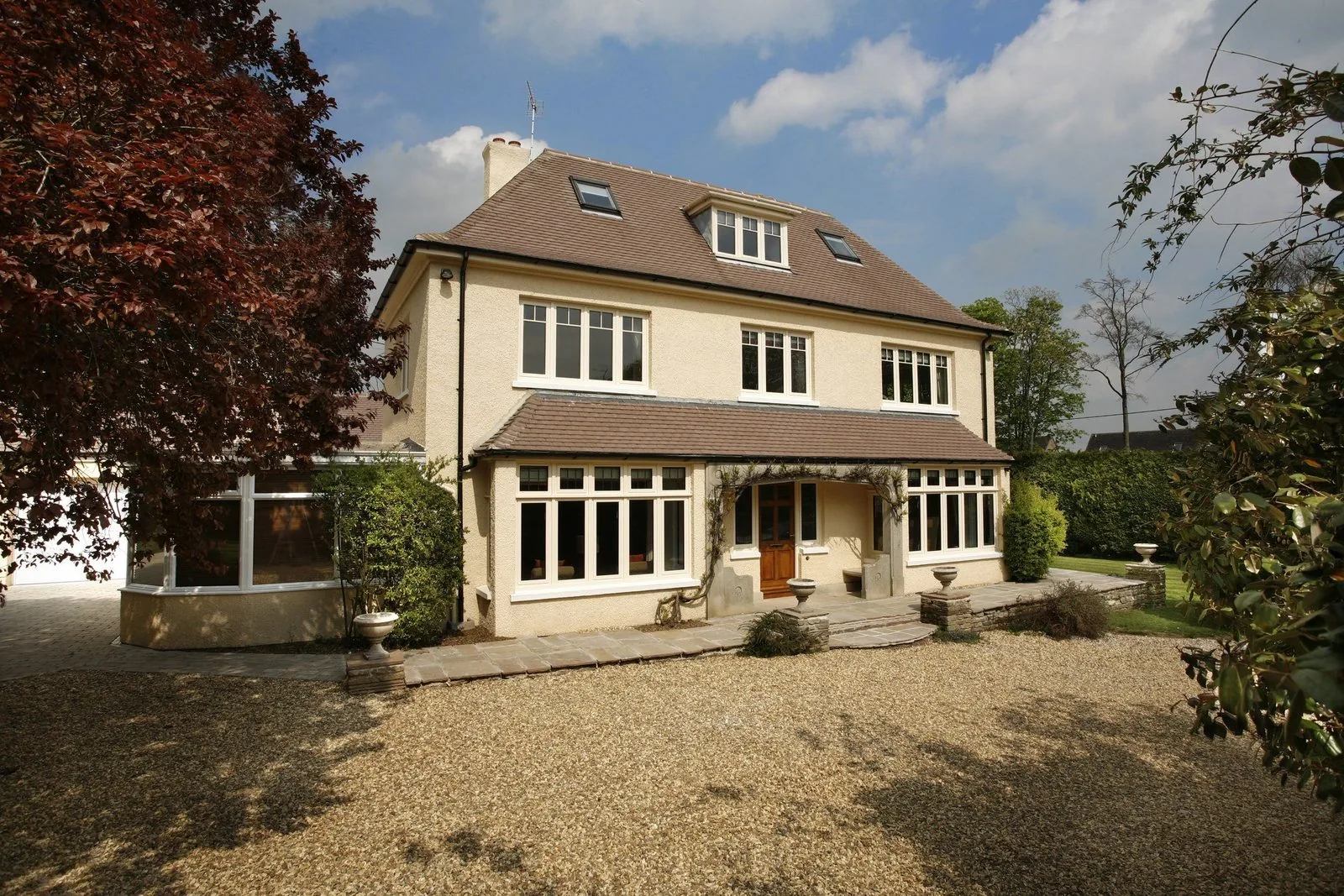
Start with property age and planning context
Before comparing a single product, establish the two facts that constrain everything else: how old the property is and what its planning status is. A Georgian or Victorian terrace, an interwar semi, and a 1990s new-build each have a different set of windows that will look proportionate and, in a conservation area or with a listed status, a different set that will actually gain consent.
This is not a stylistic nicety — it materially changes the shortlist. A property built with slender single-glazed timber sashes and fine astragal bars will generally call for heritage sash windows with a matching sightline and glazing pattern, in either timber or a well-detailed foiled uPVC, whereas a 1990s house with originally chunky uPVC casements has far more latitude to move toward slimmer aluminium sightlines without looking out of place. Establish this constraint first, and read our planning permission and conservation areas guides in parallel if there is any doubt about your property's status.
Orientation and solar gain
Which way each room faces has a direct and often underestimated effect on glazing specification. South and west-facing rooms with generous glazed areas can suffer noticeable summer overheating even in a well-insulated modern house, which argues for solar control coatings that reduce solar heat gain while still admitting good levels of daylight. North-facing and heavily shaded elevations rarely have this problem and are usually better served prioritising light transmission and thermal retention instead.
A competent specification should vary by room and elevation rather than applying one glass build uniformly across the house. This is a reasonable question to put directly to an installer during the quoting stage: ask whether they are assessing orientation room by room, or supplying a single glass specification regardless of aspect.
Noise: when it should shape the decision
For a property on a quiet residential street, acoustic performance is rarely the deciding factor in a glazing specification. For a property on a main road, near a railway line or flight path, or close to a school or venue with regular external noise, it can and should become the primary driver of the glass build, sometimes outweighing thermal or even budget considerations.
Acoustic improvement comes principally from an asymmetric glass build — panes of different thickness either side of the cavity — combined with laminated glass incorporating an acoustic interlayer, and in the most demanding cases, secondary glazing with a substantial air gap of 100mm or more, which typically outperforms even the best double-glazed unit for noise reduction because of the much larger cavity. If noise is a genuine daily concern, say so explicitly when requesting quotes, since it changes the glass specification an installer should be proposing.
Setting a realistic budget band
Rather than pricing individual windows in isolation, it is more useful to establish a whole-house budget band early and let that steer the material and specification shortlist, since the same style of window can vary considerably in price depending on frame material, hardware quality and glazing specification.
| Budget band | Typical material fit | Realistic expectations |
|---|---|---|
| Value-conscious | uPVC casement or sash, standard double glazing | Strong thermal performance and low maintenance; limited scope for bespoke period detailing |
| Mid-range | Foiled uPVC heritage or timber-effect, or entry aluminium casement | Good sightlines and colour options; suitable for most conservation-adjacent properties with the right profile |
| Considered | Timber sash or flush casement, or aluminium with slim thermally broken frames | Genuine period accuracy or architectural sightlines; the realistic entry point for conservation area principal elevations |
| Bespoke | Listed building joinery, steel-look aluminium, acoustic secondary glazing systems | Purpose-made to satisfy listed building consent or demanding acoustic and thermal targets |
Narrowing the material shortlist
Once property context, orientation and budget are established, the material choice usually narrows to two or three realistic candidates rather than the full range. uPVC remains the strongest value option and has improved considerably in sightline and colour range, making it viable even in some heritage-sensitive settings when specified as a foiled heritage profile. Aluminium suits contemporary properties and larger glazed openings where sightline slenderness and structural spans matter more than replicating a historic profile. Timber remains the benchmark for genuine period accuracy and is often the only material a conservation officer will accept on a principal elevation of a highly sensitive property.
Rather than choosing a material on general reputation, it is worth testing each candidate specifically against the constraints already established: does it satisfy the planning context, does it suit the orientation and noise requirements identified, and does it sit within the budget band without compromising the specification elsewhere, such as hardware or ironmongery quality.
Settling the glazing specification
With material narrowed, the glazing specification is the next decision, and it should be answered against the same criteria rather than defaulted to a standard build. Standard double glazing suits the majority of homes; slim double glazing is the right call in a heritage sightline; triple glazing earns its extra cost on genuinely exposed, north-facing or acoustically sensitive elevations rather than uniformly across a house; and secondary glazing remains the strongest option where the primary window itself cannot be touched, most often in listed interiors.
It is also worth deciding at this stage whether solar control, acoustic lamination or self-cleaning coatings are needed on specific elevations, since these are far easier to specify correctly before ordering than to retrofit, and our glass options guide sets out the full range in more technical depth.
Questions worth asking any installer before signing
A well-prepared shortlist of questions, put to every installer being compared, exposes the difference between a considered specification and a price built to look competitive on paper.
- What is the whole-window U-value, not just the centre-pane glass U-value, for the specification quoted?
- Is the installer FENSA or Certass registered, and will a compliance certificate be issued directly to me on completion?
- Has a proper survey been carried out, or is this quote based on assumed or self-supplied sizes?
- What frame reinforcement, chamber count or thermal break detail does the quoted profile actually use?
- Has orientation and noise exposure been considered room by room, or is one glass specification being applied throughout?
- What is the guarantee period on frames, glazing units and hardware respectively, and who honours it if the company ceases trading?
- If the property is in a conservation area or Article 4 zone, has the installer confirmed the specification is one they have had approved nearby before?
Our view
Our view
Work through property context, orientation, noise and budget before you let yourself compare specific products — it is a more time-consuming discipline than browsing a range, but it consistently produces a better and more defensible outcome. The material and glazing decision should be the last step, not the first.
When comparing quotes, insist on whole-window U-values, confirmed registration status and evidence of a proper survey before price becomes the deciding factor. A lower headline price built on a lighter specification or an unmeasured size is rarely the better outcome once the true cost of remedying it later is accounted for.
Frequently asked questions
Where should I actually start if I feel overwhelmed by options?+
Start with your property's age and planning context rather than the product catalogue, since that alone eliminates entire categories — a Victorian terrace in a conservation area and a 1990s suburban semi have almost no overlap in what will realistically look right or gain approval, and narrowing by context first prevents you falling in love with a specification that was never viable.
Is triple glazing worth it for a typical London house?+
For most homes in London and the milder South East, the additional thermal benefit of triple over a good modern double-glazed unit is real but modest, and the stronger case for triple glazing is usually acoustic performance or a north-facing, exposed elevation rather than heat retention alone — see our double versus triple glazing guide for the specific U-value comparison.
How much should I budget per window as a rough starting point?+
This varies enormously by material, size and glazing specification, but as a broad steer, uPVC casements typically sit at the lower end, timber and heritage sash windows in the middle to upper range, and bespoke aluminium or listed-building joinery at the top. Rather than pricing per window in isolation, it is more useful to set a whole-house budget band first and let that guide the material shortlist.
Does orientation really make a meaningful difference to glazing choice?+
Yes, more than most homeowners expect. South-facing rooms with large glazed areas can overheat in summer even with excellent insulation, which argues for solar control glass, while north-facing and shaded elevations rarely need it and benefit more from maximising light transmission. An installer should be asking about orientation room by room, not applying one glass specification to the whole house.
Should I replace all my windows at once or phase the project?+
Phasing is a legitimate approach, particularly for budget reasons, but it is worth fixing the overall specification — material, colour, glazing bar style — for the whole house at the outset even if installation happens in stages, so that later phases match the earlier ones rather than the elevation ending up visibly inconsistent.
How do I compare quotes that specify different glass and frame combinations?+
Ask each installer for the whole-window U-value, not just the glass U-value, along with the specific frame material, chamber count or thermal break detail, and the glass makeup including any acoustic or solar coating. Quotes that only state a headline price without this detail are very difficult to compare fairly and often conceal a lower specification behind a lower number.
What is the single most common mistake in choosing windows?+
Choosing the material or style first, based on preference or what a neighbour has, before establishing whether it is appropriate for the property's age and planning context, or whether it addresses the actual problem being solved, whether that is noise, heat loss, security or condensation. Working through context and requirements first, then narrowing to material and glazing, produces a far more defensible and satisfying result.
Continue reading