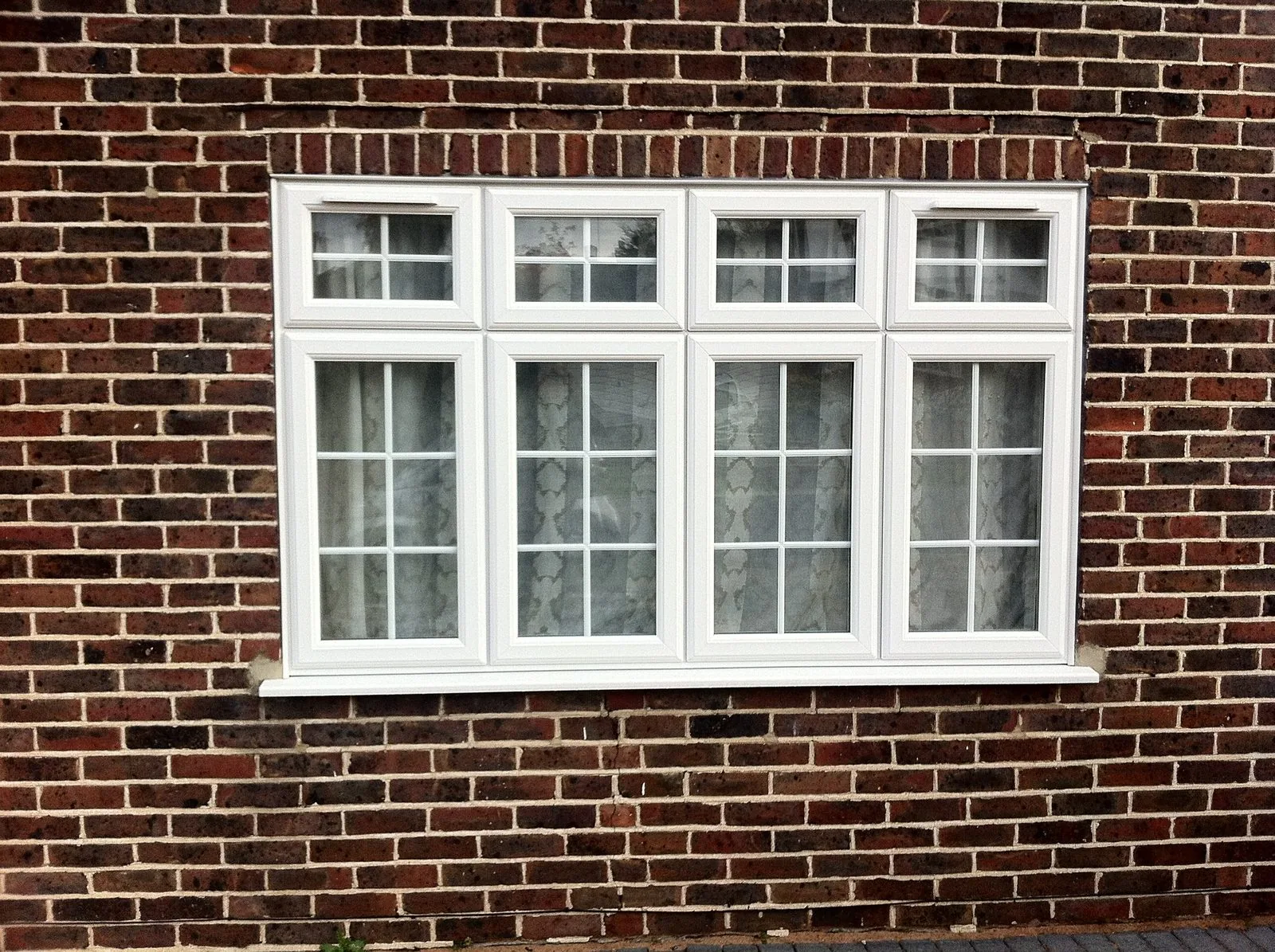
Standard six-chamber uPVC
Steel reinforced, welded construction with load-rated gearing. The baseline specification for most projects.
Windows / Tilt & Turn / uPVC
The most economical route to European inward-opening engineering — with the insulation advantage of the polymer and none of the compromise in the mechanism.
Introduction
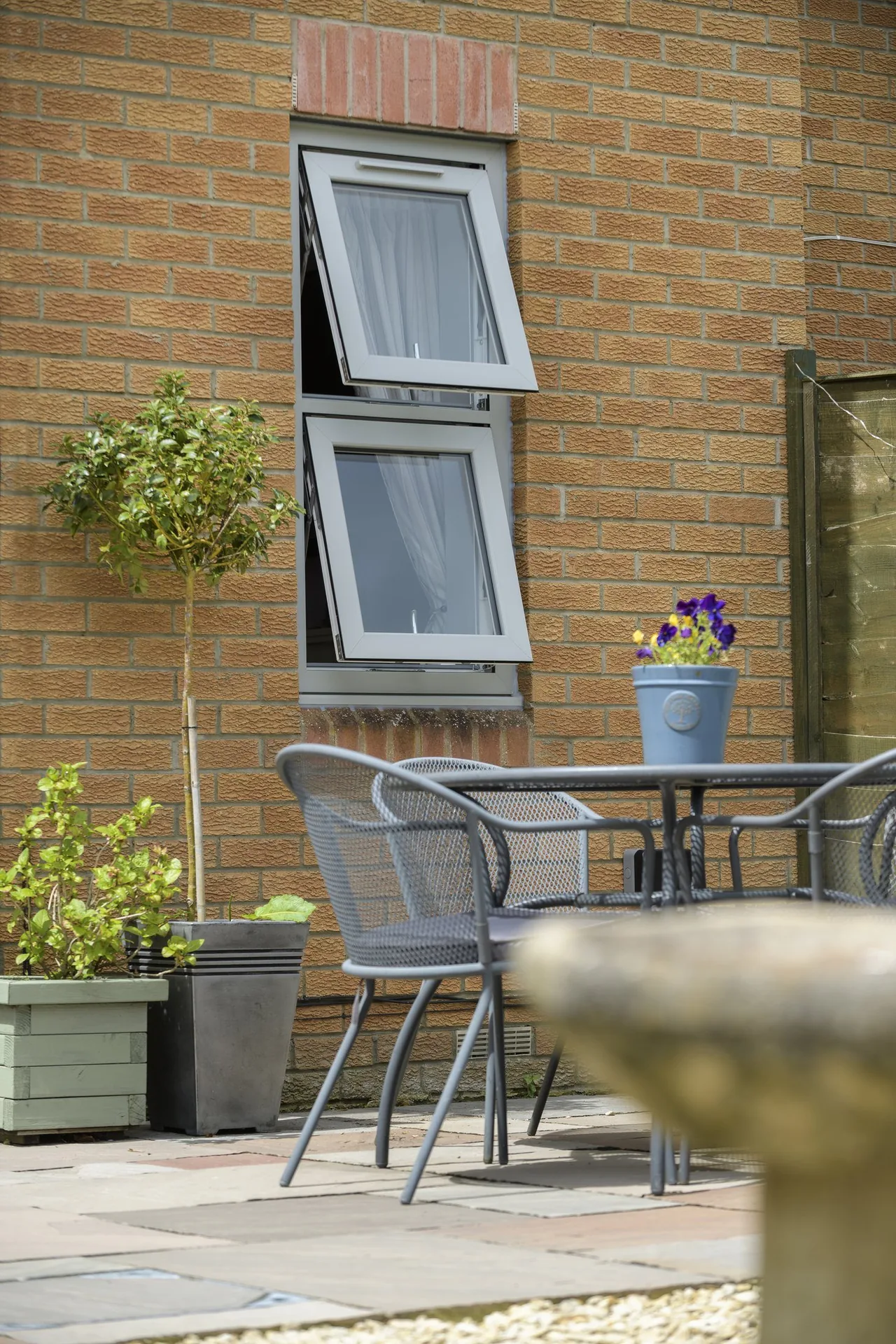
In a tilt and turn window the hardware is doing the difficult work. A single lever drives a continuous gear train around the sash perimeter, holding it in two entirely different positions and pulling it tight into a gasket on all four edges. That mechanism costs roughly the same whichever material surrounds it.
Which is why uPVC makes a great deal of sense here. You keep the full functional benefit — cleaning from inside, secure tilt ventilation, a clear escape aperture, four-sided compression — while the frame itself remains the most affordable and the most thermally efficient material we supply.
The trade-off is sash size. uPVC flexes under load in a way aluminium does not, so there is a ceiling on how large a single opening sash we will specify. Within that ceiling, it is very hard to argue with the value.
Beautiful homes begin with better advice.
We would rather spend an hour explaining why something is not right for your property than sell it to you.
Who this suits
It suits projects where inward opening solves a real problem — upper-floor flats, windows above a conservatory or flat roof, tight side passages — but where the budget needs to cover several openings rather than one showpiece.
It is also the sensible choice for rental and investment property, where the low-maintenance finish and the robust hardware matter more than the finest possible sightline, and for loft conversions where a generous escape opening is required at a controlled cost.
We would move you to aluminium where the sash exceeds roughly 1.2m by 2.0m, where triple glazing is wanted in a very large single pane, or where the sightline is architecturally critical.
Benefits
The full dual-action mechanism at the lowest frame cost of any material in the range.
The polymer conducts heat poorly, so a low U-value is reached without paying for engineered thermal breaks.
Swing the sash inward and the external face is within arm's reach, at any floor level.
Colour runs through the profile or is bonded as a foil. Washing is the whole maintenance regime.
Features
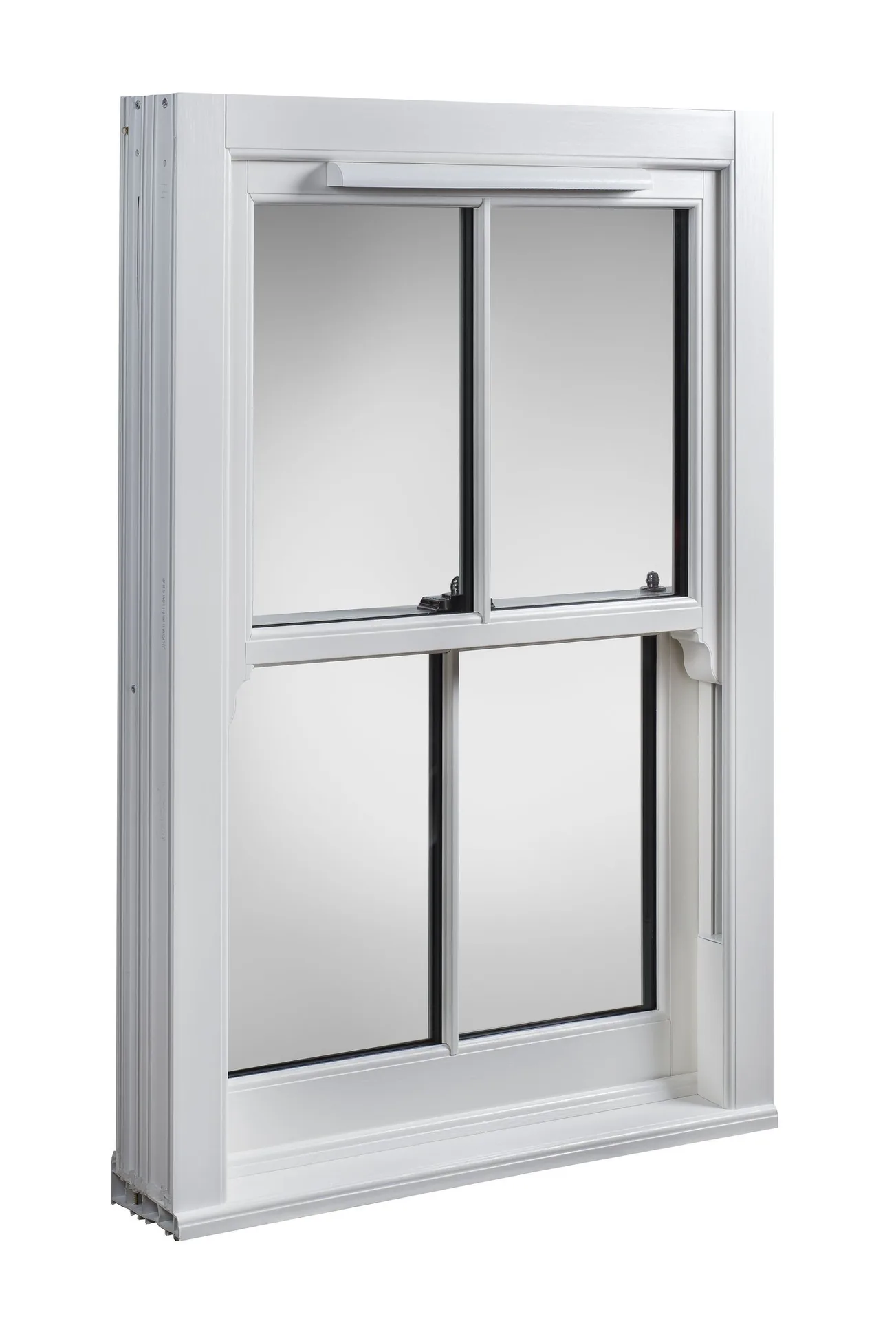
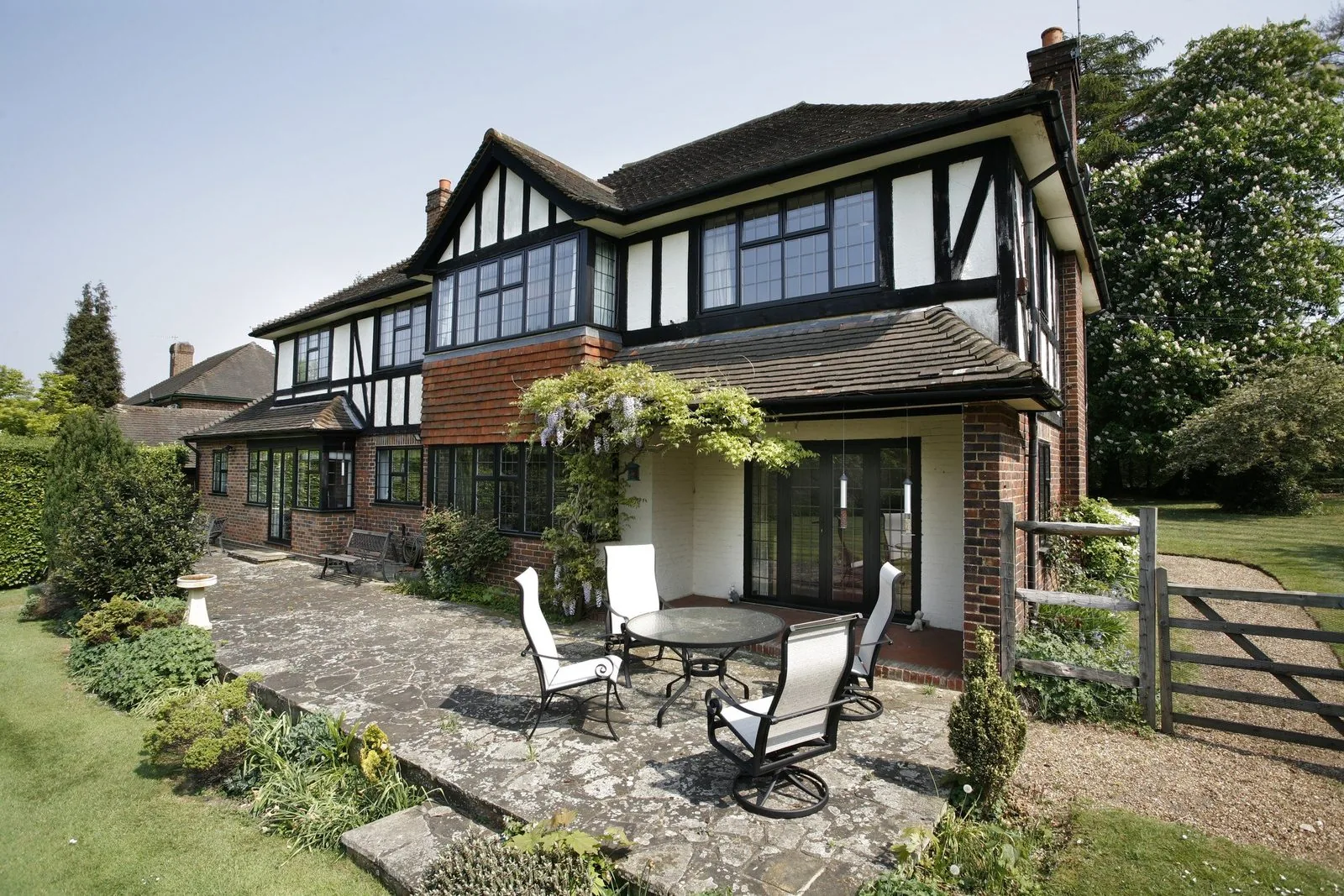
Material options
Steel reinforced, welded construction with load-rated gearing. The baseline specification for most projects.
Composite reinforcement in place of steel, removing the cold bridge. Specify alongside triple glazing.
Deeper reinforcement and upgraded hinge sets for the largest sashes uPVC will sensibly carry.
Colours & hardware
White
The most economical option and the easiest to match to existing frames elsewhere on the property.
Anthracite grey
RAL 7016 externally with a white internal face. Reads as aluminium from the pavement.
Dual colour
Dark outside, light inside — keeps rooms bright while the elevation stays contemporary.
Cream and heritage tones
Softer finishes that sit better on older brickwork than brilliant white.
Woodgrain foils
Rosewood, light oak, Irish oak and golden oak, deeply embossed and guaranteed ten years.
Dual-action gearing
Continuous drive around the sash perimeter, load rated to the glazed unit weight rather than to the frame size alone.
Single lever handle
Locked, turn and tilt positions in white, chrome, brushed steel, black and anthracite, with key-locking options.
Concealed hinges
Housed inside the frame rebate, so nothing is exposed externally and nothing interrupts the internal reveal.
Turn restrictors
Limit or disable the full swing so the window can be left in tilt-only operation around children.
Night vent latch
Secures the tilt position for overnight background ventilation.
Trickle vents
Colour-matched and closable, sized to the equivalent area of the window being replaced.
Glass options
4mm low-E inner, 20mm argon cavity, 4mm outer, warm-edge spacer. The standard build.
44mm units where the profile depth and gear rating allow, reaching around 0.8 W/m²K.
6.4mm acoustic laminate against a 4mm inner pane for asymmetry, effective on busy roads.
Standard on accessible openings and recommended wherever the sash swings into circulation space.
Reduces overheating on south and west facing rooms without a noticeable tint.
Full privacy range for bathrooms, en-suites and overlooked elevations.
Security
The polymer is not what secures the window — the reinforcement inside it and the gearing bolted through it are, and both are specification choices. With four-sided locking and concealed hinges there is very little to attack from outside.
Energy efficiency
This is the strongest thermal package we can build at this price point: an insulating polymer frame, six chambers of still air, and a sash pulled tight into gaskets on all four edges by the gearing.
Noise reduction
Glass thickness and asymmetry deliver the acoustic reduction; the four-sided compression seal is what stops sound leaking around the sash and undoing it.
Maintenance
Frames need washing and gearing needs oiling. That is genuinely the whole programme, and the second half of it is the one owners forget.
Frequently asked questions
Because the mechanism is the expensive part, and uPVC keeps the frame cost down without compromising it. You get the same dual-action gearing, the same four-sided compression seal and the same inward opening geometry at a materially lower price than aluminium, with better inherent insulation from the polymer itself.
Within limits, yes. The sash members are reinforced and the gearing is load rated, but uPVC flexes more than aluminium, so we cap practical sash sizes at around 1.2m by 2.0m. Beyond that the honest recommendation is aluminium, where the frame carries the load without deflection.
Six is the sensible baseline here rather than five. Tilt and turn frames are deeper than casement frames, and the additional chamber both improves the U-value and stiffens the section that has to resist the gear loads.
Only if it is never lubricated. The gearing does more mechanical work than a casement lock — a light oil on the cams and drive strip once a year keeps the action as smooth as it was on the day it was fitted.
Both are available. Galvanised steel is stronger and cheaper; composite reinforcement removes the cold bridge that steel introduces and is worth specifying if you are already paying for triple glazing.
Yes, the full woodgrain foil range applies. Be aware that the frame proportions of a tilt and turn are unmistakably modern, so a woodgrain finish softens the appearance rather than making it read as joinery.
With the sash swung fully inward the aperture is entirely clear, which typically gives a larger unobstructed opening than a uPVC casement of the same overall size. We check the clear opening dimensions against Part B at survey.
Around 1.2 W/m²K with A-rated double glazing in a six-chamber frame, and approximately 0.8 W/m²K with triple glazing and composite reinforcement, provided the gearing is rated for the unit weight.
Ten years on the profile and finish, ten years on the sealed glass units, a separate guarantee on the gearing from the hardware manufacturer, and an insurance-backed installation guarantee with FENSA registration.
Related articles
Related products
Begin the conversation
A consultation is a conversation about your property — its age, its orientation, its draughts and its planning constraints. You will receive a written specification you can understand and compare, and no follow-up pressure of any kind.
Systems & Profiles We Manufacture
We design and fabricate using premium window and door systems from the UK and Europe's leading manufacturers — so every installation is built on proven, fully warrantied profiles.