
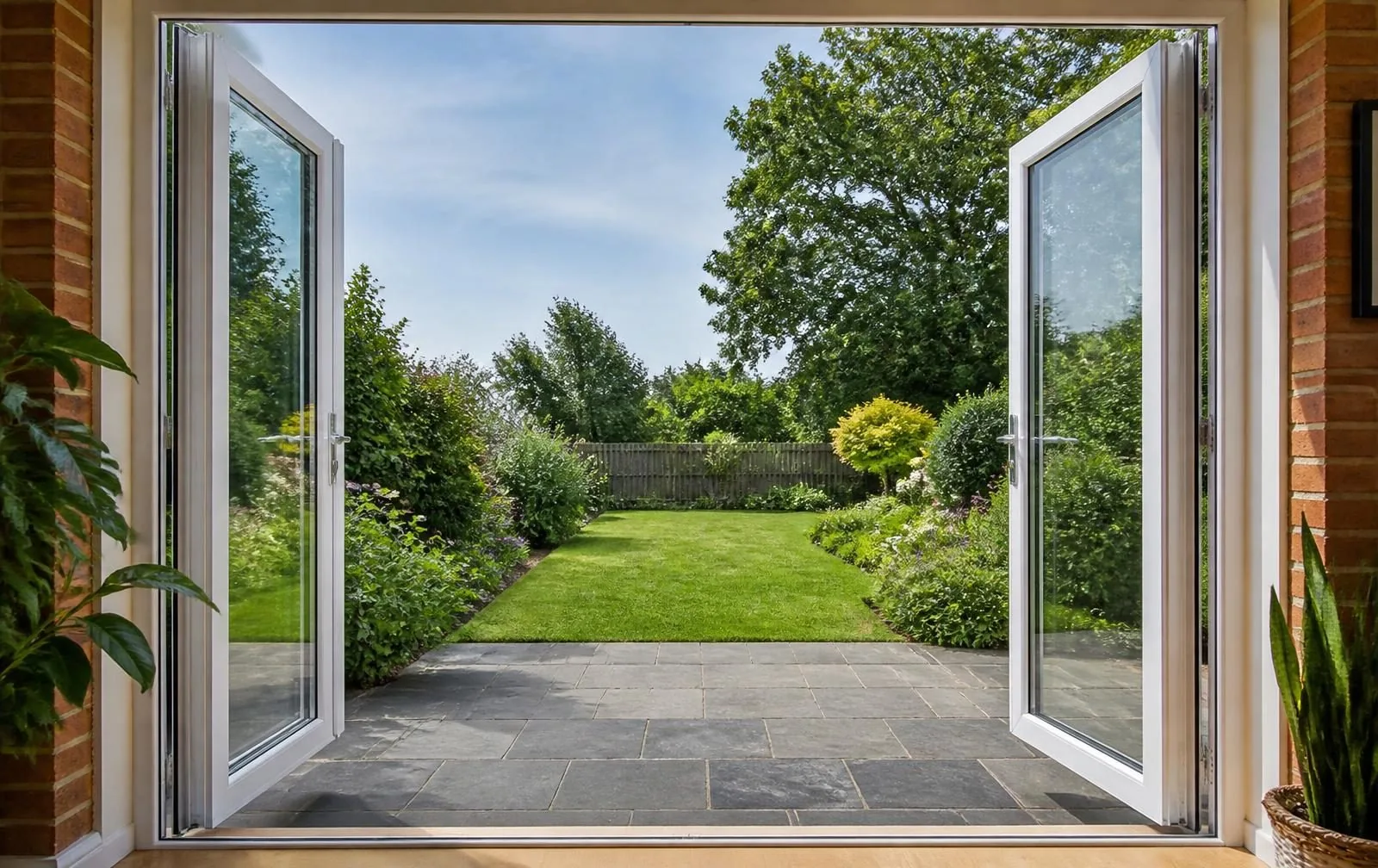
Fully panelled
No glazing at all, the most private and secure option for a door directly facing an alleyway or public right of way.
Doors / Back Doors / Rear Entrance
For side returns, alleyway access and boot rooms — openings that are enclosed, rarely observed, and specified accordingly.
Introduction
Most homes have at least one opening that does not face a garden overlooked from the kitchen window, but instead opens onto a narrow side return, a shared alleyway, or a gated passage between properties. These openings are functionally back doors, but the risk they carry is different, because whoever is working on the lock is not visible to anyone in the house or on the street.
We treat rear entrance doors as their own specification category for that reason. The cylinder rating we would consider acceptable on an overlooked garden door is our firm minimum here, not our starting point, and we add hinge-side security bolts and, in many cases, laminated or minimally glazed panels as standard rather than as an upsell.
This is also frequently the door leading into a boot room, so durability against mud, wet clothing and heavy daily traffic sits alongside security as a genuine priority, not a secondary consideration.
Beautiful homes begin with better advice.
A door is a decision about arrival, security and daylight. We would rather help you get it right than sell you the one with the best margin.
Who this suits
This page is for any door opening onto an enclosed, unobserved space — a side return between terraced houses, a gated alleyway shared with a neighbouring property, or a passage leading to a garage or bin store. If your back door opens onto a garden that is visible from inside the house, the standard back door page will usually be the better starting point.
It also applies to boot room doors specifically, where durability against daily mud and weather matters as much as the lock fitted to the leaf.
Design styles
No glazing at all, the most private and secure option for a door directly facing an alleyway or public right of way.
A small, high-set glazed panel providing limited daylight without offering visibility into the property.
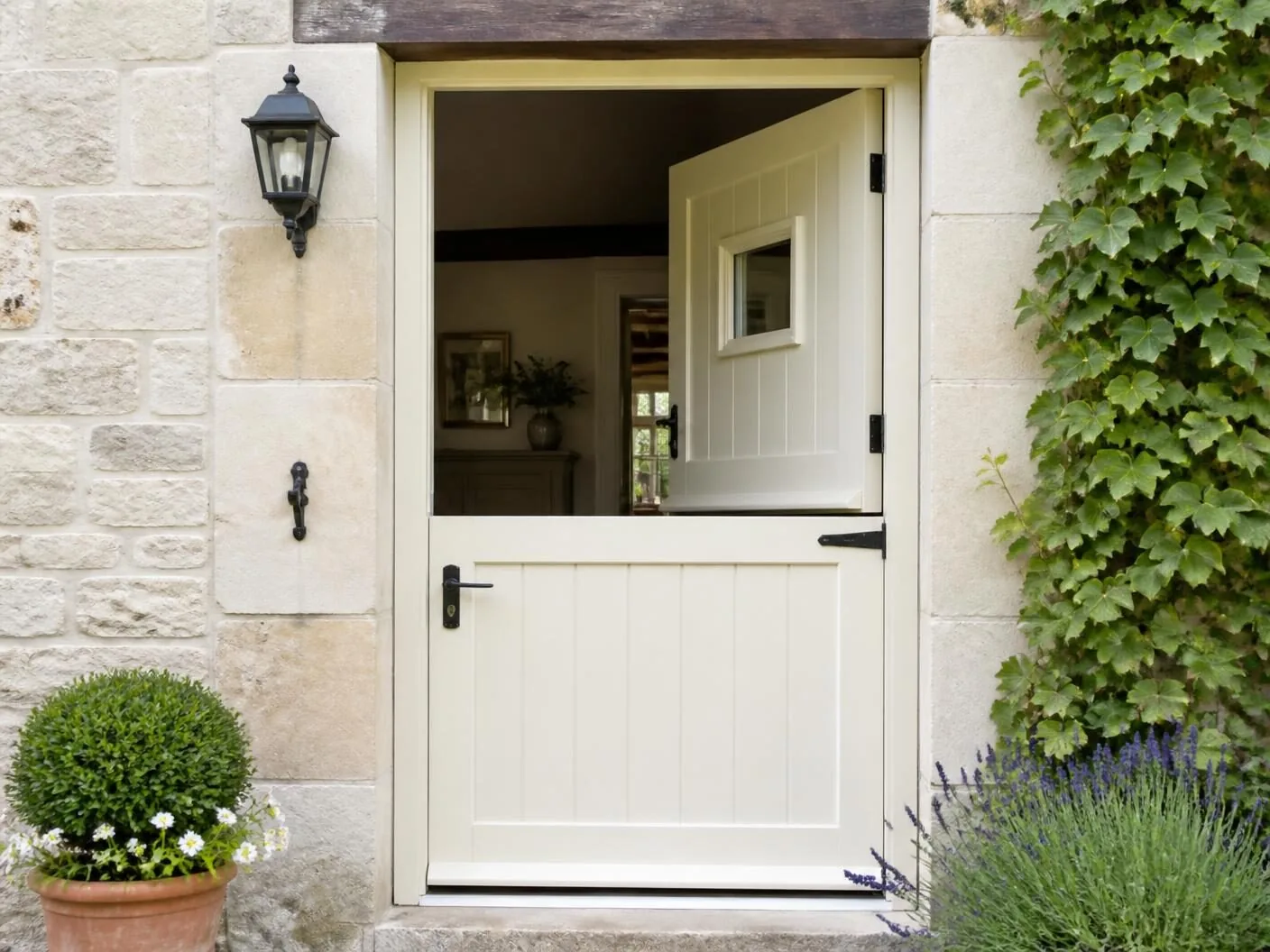
A GRP-faced door with a solid insulating core, resistant to daily knocks from boots, bikes and bins.
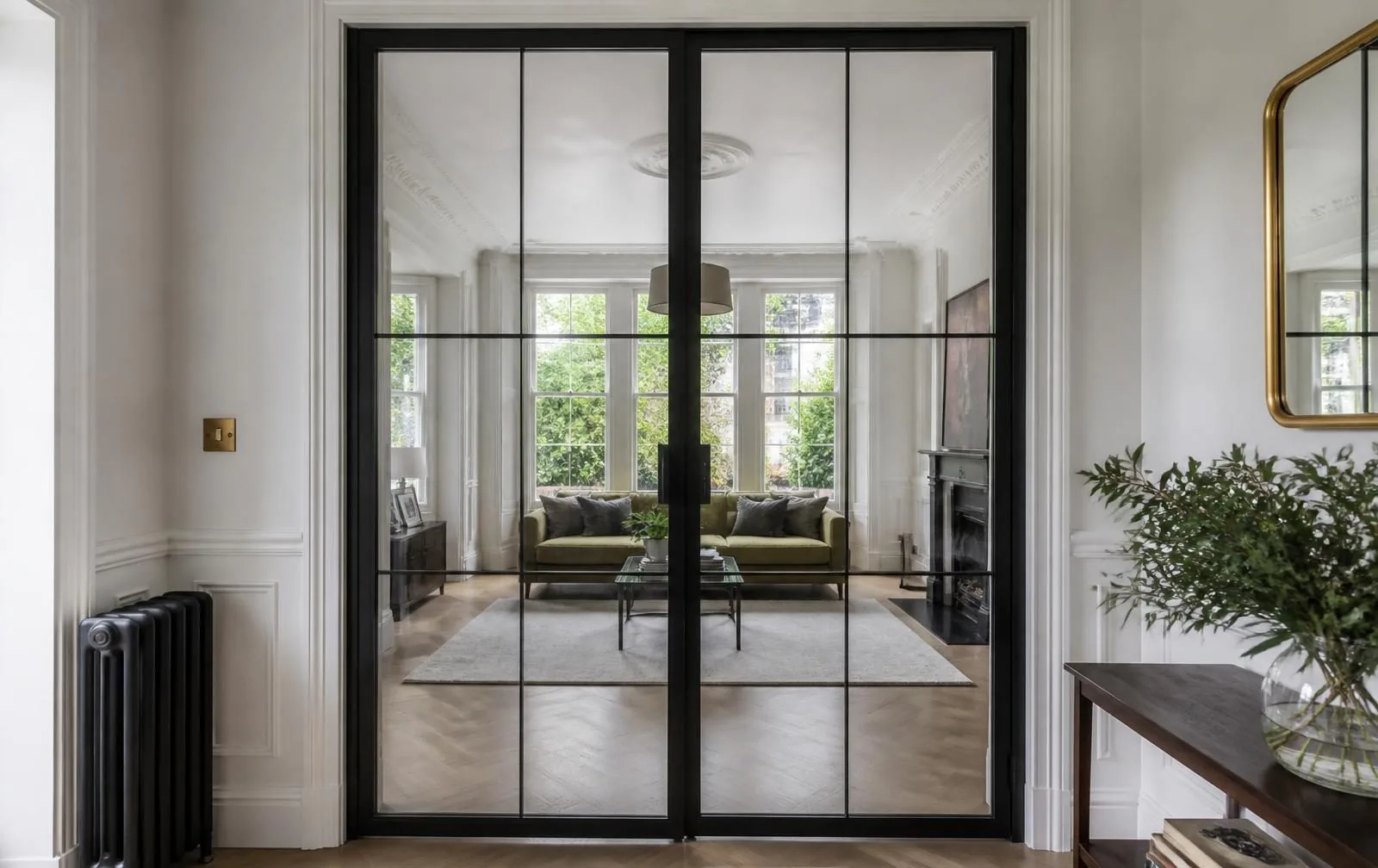
A robust, contemporary appearance where the side return has been finished to a higher standard.
Available configurations
Single leaf
The standard configuration for a side return or alleyway opening, sized to the existing passage width.
Single leaf with vision panel
A small obscure or laminated panel allowing a view of who is at the door without full glazing.
Reinforced boot room door
A heavier-duty leaf specified for frequent muddy, wet traffic direct from outdoor activity.
Gate-and-door pairing
The door specification considered alongside the gate at the far end of the return for a genuine two-stage barrier.
Materials
GRP-faced insulated core doors, more resistant to knocks and weather than standard uPVC in an exposed alleyway location.
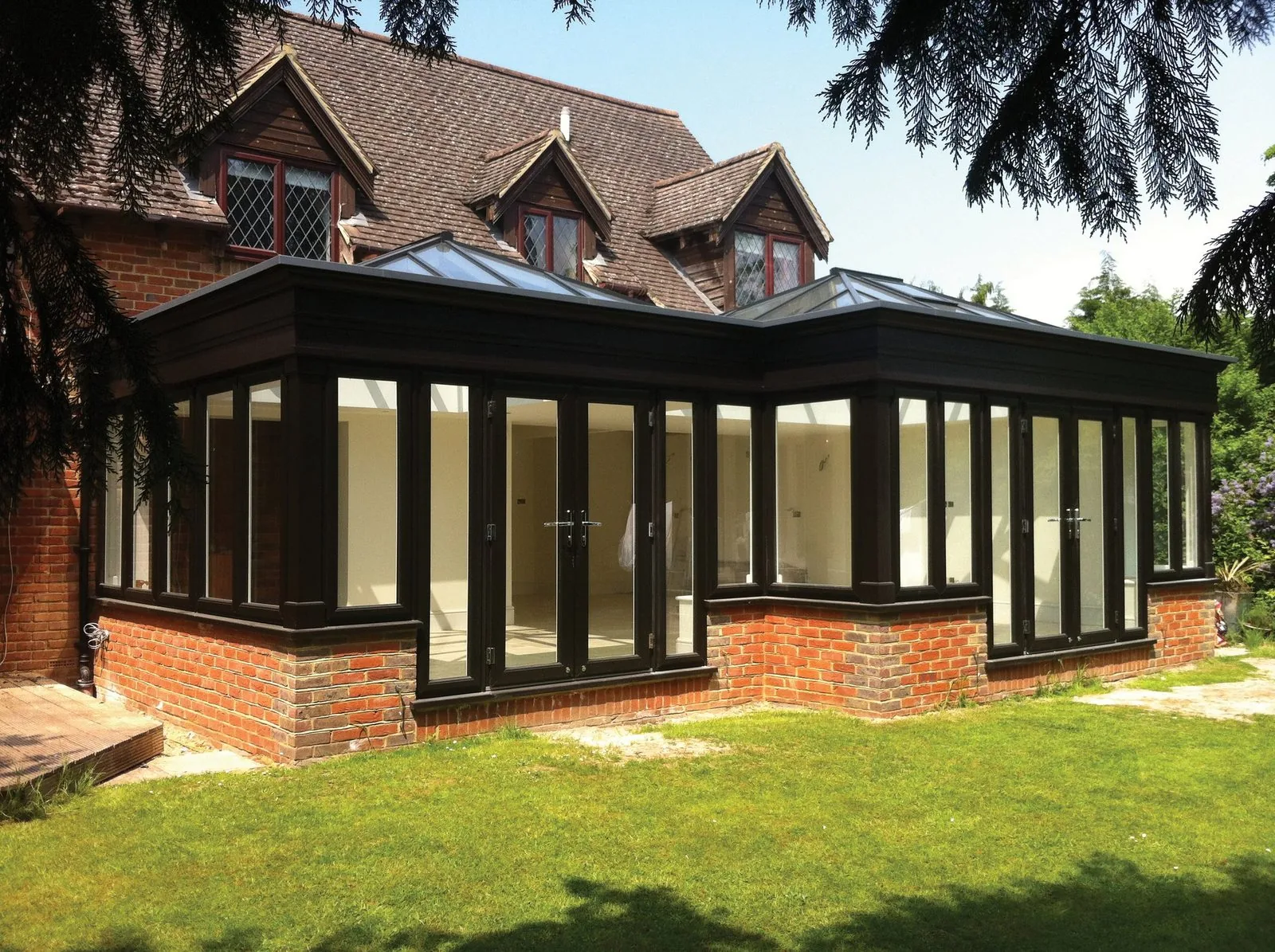
Structurally strong, corrosion-resistant frames suited to fully exposed side return conditions.
Composite-reinforced profiles where budget requires it, specified with the higher cylinder ratings this category needs regardless of frame material.
Colours & handles
Anthracite grey
A neutral, low-maintenance colour that does not draw attention in a utility passage.
White
Practical and easy to keep clean in a boot room or side return context.
Matt black
A discreet, contemporary finish increasingly requested for rear entrance doors visible from a shared passage.
Key-locking handles
Locking from both sides as standard, given how frequently this door may be used by multiple household members or trades.
Smart lock hardware
Keypad or app-operated multipoint gear, useful for managing access without physical keys in circulation.
Reinforced hinge sets
Heavier-duty hinges with additional security bolts, specified given the enclosed, unobserved nature of the opening.
Threshold options
A more substantial upstand where the alleyway or return sits below internal floor level, resisting water ingress.
A weathered sill suited to level or near-level side return surfaces.
Glazing options
Specified for any vision panel, given the door's exposure to unobserved tampering.
Where limited daylight is wanted without visibility into the property from the passage.
The most secure option for doors directly facing a public alleyway or right of way.
Security
This is the specification we treat as non-negotiable, because the opening itself removes the natural deterrent of being seen.
Thermal performance
A rear entrance door often leads into an unheated boot room or utility space, but the specification still matters for the wider house.
Weather resistance
Side returns and alleyways often funnel wind and rain more directly than an open garden, and drainage detailing needs to reflect that.
Maintenance
A door in a side return sees less direct sunlight and more standing damp than a garden door, which changes its maintenance rhythm slightly.
Frequently asked questions
A standard back door usually opens onto a garden that is at least partly overlooked from inside the house or a neighbouring property. A rear entrance door typically sits at the end of a side return or alleyway, enclosed by walls or fencing, and often gated at the far end away from the house. That enclosure removes casual observation, which changes the risk profile and the specification we recommend.
We generally recommend it, yes. Because a side return is enclosed and rarely watched, we specify TS007 3-star cylinders as a firm minimum rather than the 1-star-plus-hardware combination that might be acceptable on an overlooked garden door, and we add hinge-side security bolts as standard on the leaf.
Yes, it is one of the most common uses. A boot room off a side return needs a solid, weather-resistant door that can handle mud, wet coats and daily traffic, and we typically specify a fully panelled or minimally glazed leaf here rather than a fully glazed design, for both privacy and durability reasons.
Aluminium or a reinforced composite skin generally outperform standard uPVC in an alleyway location, since the door faces more direct weather exposure with less shelter than a garden door under an overhang. The reinforced core matters more here than the visible finish.
Where it is, we would avoid full glazing entirely and specify a solid or minimally glazed panel, since a fully glazed door facing a public right of way gives clear visibility into the property and a straightforward target for anyone testing the glass.
A multipoint mechanism with hook bolts as the primary lock, TS007 3-star cylinder, and hinge bolts on the leaf, paired with a good quality lock on the gate at the far end of the return. The two together form a genuine two-stage barrier rather than relying on the door alone.
Often, yes, particularly where tradespeople, cleaners or dog walkers need access via a side return without a physical key. A monitored smart lock lets you track and revoke access without the risk of a spare key left under a plant pot.
Many insurers now specifically ask about locks fitted to doors in side returns and alleyways separately from the main entrance, since claims data shows this is where a disproportionate number of forced entries occur. We can supply documentation confirming the standard fitted, which some policies require.
Related articles
Related products
Begin the conversation
A consultation is a conversation about how you actually use the opening — where the sun falls, how the rain drives, who needs level access and what the street expects to see. You will receive a written specification you can understand and compare, and no follow-up pressure of any kind.
Systems & Profiles We Manufacture
We design and fabricate using premium window and door systems from the UK and Europe's leading manufacturers — so every installation is built on proven, fully warrantied profiles.