Introduction
Almost every homeowner considering replacement windows asks some version of the same question: how much will this save me on heating? It is a fair question and a hard one to answer honestly, because the answer depends heavily on what you are replacing, how the rest of the house performs, and how you heat it. Suppliers who quote a single confident percentage before seeing your home are simplifying a genuinely variable calculation.
This article sets out where heat actually leaves a typical UK house, what share of that loss the windows are realistically responsible for, and the arithmetic that turns a U-value improvement into a pounds-and-pence saving. It also covers a question we are asked less often but think about more: in what order should a homeowner tackle fabric upgrades, and does replacing windows help or hinder a future heat pump installation.
None of this is intended to talk anyone out of new windows. There are excellent reasons to replace ageing glazing — comfort, condensation, security, noise and appearance chief among them. But if the sole justification for the spend is the heating bill, it deserves scrutiny, and we would rather give you the honest numbers than the flattering ones.
Quick summary
The short version
- Windows typically account for ten to twenty-five per cent of a home's fabric heat loss, depending on glazing area and age of the existing units.
- Realistic bill savings from window replacement alone are usually five to twelve per cent of heating spend, not the fifty per cent figures sometimes quoted.
- Draughts around frames, not heat loss through the glass itself, are responsible for a surprisingly large share of the discomfort people attribute to 'bad windows'.
- Loft and cavity insulation generally deliver a faster return per pound spent and should usually be addressed first.
- A well-sealed, well-glazed fabric matters more with a heat pump than a gas boiler, because heat pumps run at lower flow temperatures.
- The strongest case for new windows is usually comfort and condensation control, with bill savings as a welcome secondary benefit.
Why this matters
Heat leaves a house through five main routes: the roof, the walls, the floor, ventilation and draughts, and the windows and doors. In an uninsulated older property, the roof and walls typically dominate, often accounting for half of total heat loss between them. Windows, even old and poorly performing ones, are usually a smaller share simply because they occupy less surface area than the walls and roof combined.
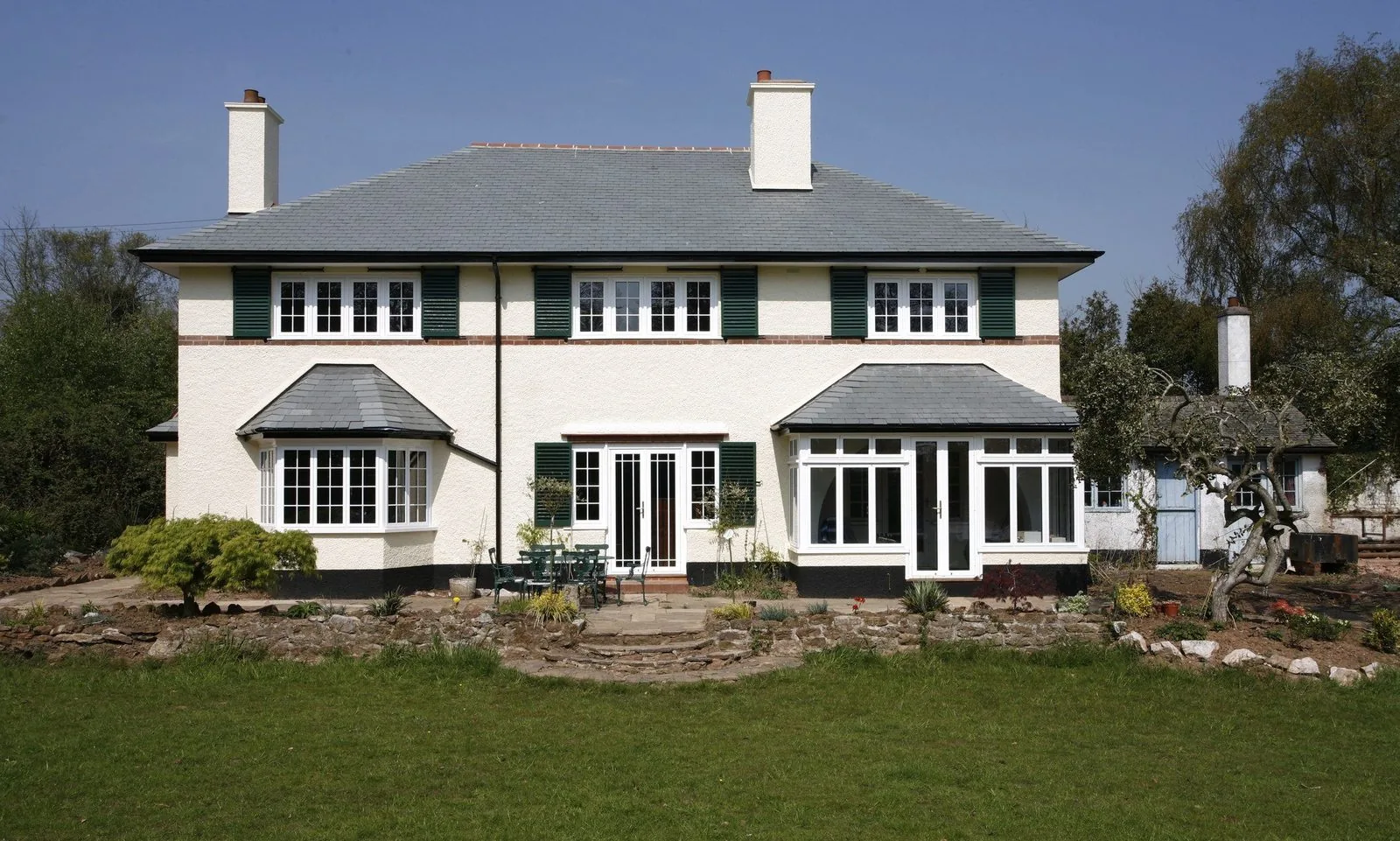
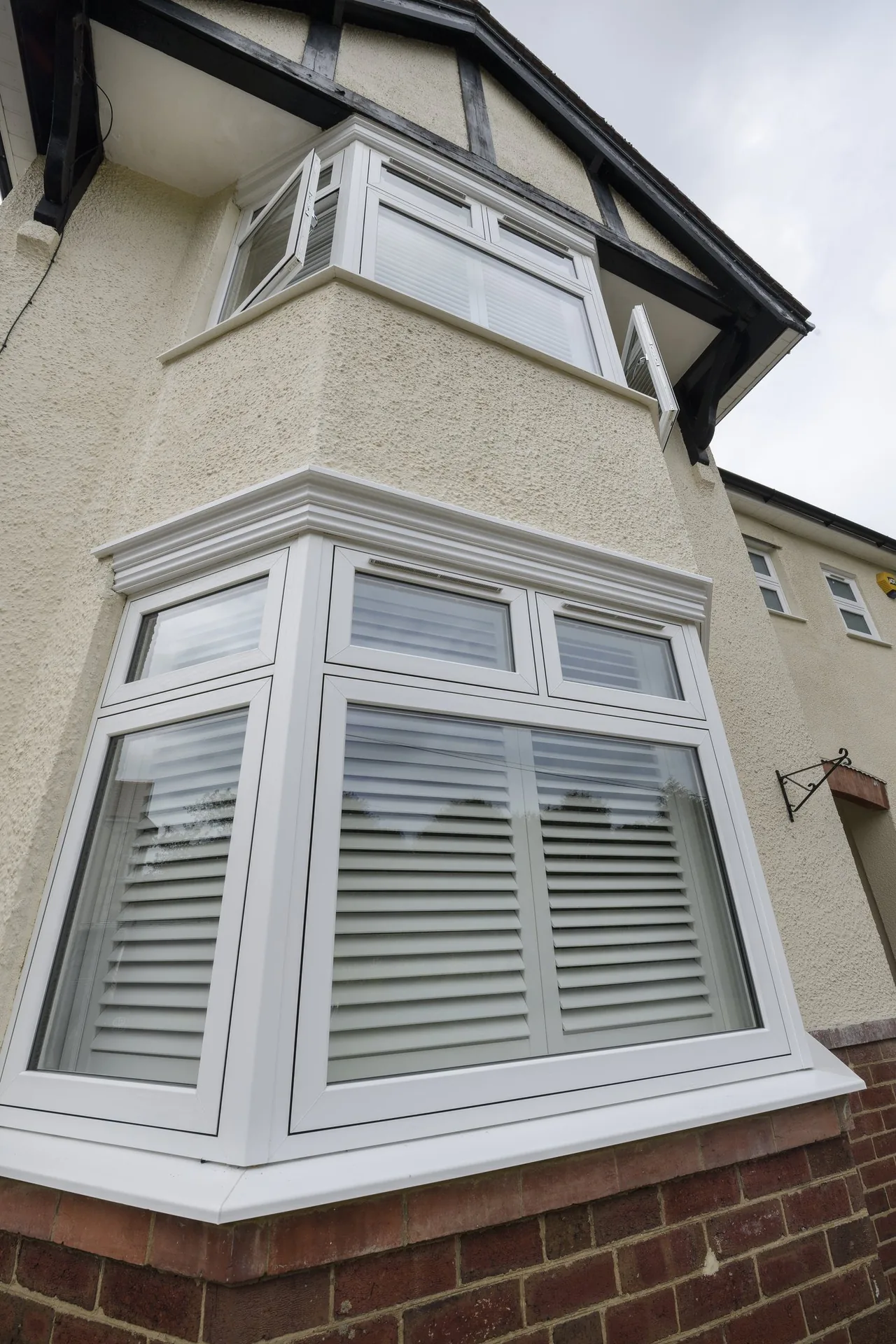
That changes with the proportion of glazing. A Victorian terrace with modest openings loses comparatively little through its windows relative to its solid walls. A 1930s semi with bay windows, or a contemporary extension with a full-width sliding door, has a much higher glazed area and the windows become a proportionally larger contributor to loss. This is precisely why a blanket percentage saving figure is meaningless without knowing the property.
Understanding this hierarchy matters because it determines where your money works hardest. Spending on the largest source of loss first produces the largest bill reduction per pound. Spending on the smallest source first, because it happens to be the most visible or the most heavily marketed improvement, produces a smaller return for the same outlay.
- Roof: often 20–25% of heat loss in an uninsulated property, and one of the cheapest fixes
- Walls: often 25–35%, addressed by cavity fill or, for solid walls, internal or external insulation
- Windows and doors: typically 10–25%, rising with glazed area
- Floor: often overlooked, typically 10–15%
- Ventilation and draughts: highly variable, and frequently underestimated

Expert advice
Fabric loss and draughts are different problems
It is worth separating two distinct mechanisms that both get blamed on 'the windows'. The first is conductive heat loss through the glass and frame itself, which is what a U-value measures. The second is air leakage — draughts around a poorly sealed sash, a warped frame, or a perished weatherstrip — which is an entirely different problem with an entirely different fix.
A homeowner who feels a cold draught by an old window is very often experiencing air leakage rather than conductive loss through the glass. That distinction matters because the fix is different and considerably cheaper: a well-fitted draught seal or a serviced sash can eliminate a noticeable draught for a fraction of the cost of full replacement, and does nothing to improve the U-value of the glass.
Modern replacement windows solve both problems simultaneously, which is part of why they feel so transformative when installed. Multi-point locking compresses the sash evenly against the frame, closing the air leakage paths that a single-point old lock could not, while the glazing itself reduces conductive loss. The comfort improvement people notice is frequently more about the elimination of draughts than about the marginal change in U-value.
This has a practical implication for anyone deciding whether to replace or repair. If your existing double glazing has a reasonable U-value but has developed draughts through worn seals or a dropped sash, servicing that hardware may deliver most of the comfort benefit of full replacement at a fraction of the cost.
The arithmetic behind a realistic saving
Heat loss through glazing is roughly proportional to its U-value, the glazed area, and the difference between inside and outside temperature. Replacing a window with a U-value of 2.8 (typical of 1990s double glazing) with one at 1.2 (a good modern specification) removes just over half the heat loss through that specific opening — not through the whole house.
To translate that into a bill saving, you need to know what proportion of your total heat loss the windows represent. If windows account for fifteen per cent of total fabric loss and you halve the loss through them, you have reduced total heat loss by roughly seven or eight per cent. Given that heating typically makes up fifty to sixty per cent of a UK household energy bill, with the rest spent on hot water, cooking and electricity, the resulting saving on the total bill is smaller again — often in the range of four to six per cent.
This is the calculation that gets lost in marketing material quoting savings 'of up to' a much larger figure, usually derived from the most extreme case: single glazing replaced with the best available triple glazing in a heavily glazed property. It is not dishonest, but it is not typical, and we think homeowners deserve the typical figure rather than the best-case one.
| Scenario | Windows replaced | Realistic bill saving |
|---|---|---|
| Modest glazing, replacing 1990s double glazing | Standard modern double glazing | 3–6% |
| Generous glazing, replacing 1990s double glazing | High-spec double or triple glazing | 6–10% |
| Any glazing area, replacing genuine single glazing | Modern double glazing | 10–18% |
Why glazing rarely pays for itself on bills alone
A full house re-glaze is a significant capital cost, and even a generous bill saving of ten per cent translates into a payback period measured in decades at current energy prices, not years. That is not a reason to avoid the work, but it is a reason to be clear-eyed about what is actually financing the decision: it is comfort, appearance, security and reduced condensation, with the bill saving as a pleasant but modest addition.
Compare this to loft insulation, which typically costs a small fraction of window replacement and can pay for itself within a few years through the same mechanism — reduced conductive heat loss. Cavity wall insulation, where the wall construction allows it, sits similarly. Both interventions are less visible and less exciting than new windows, which is part of why they are underspent relative to their value.
We think it is our job to say this plainly, even though window replacement is our business. If your loft has less than 270mm of insulation and your windows are reasonable double glazing installed within the last fifteen years, the loft is very likely the better first investment. If your windows are genuinely tired, draughty, single glazed, or causing condensation problems, the case for replacement stands on its own merits regardless of the bill saving.
Sequencing fabric upgrades sensibly
A sensible order for a whole-house upgrade generally runs: loft insulation first, because it is cheap and highly effective; cavity or solid wall insulation next, subject to survey; draught-proofing of doors, windows, floors and loft hatches, which is inexpensive and immediately noticeable; and window and door replacement where the existing units are genuinely underperforming or beyond economic repair.
This order is not rigid. If your windows are single glazed, badly draughty, or causing recurring condensation and mould, moving them earlier in the sequence is justified on comfort and health grounds even before insulation is complete. Similarly, if you are already undertaking an extension or renovation that requires new glazing regardless, it makes sense to specify it well while the work is happening rather than waiting for a theoretically optimal sequence.
The point of thinking in sequence is to avoid the common and expensive mistake of specifying an excellent, high-cost window into a house that is still losing most of its heat through an uninsulated loft. The window will perform exactly as tested; the house will still feel cold, because the biggest leak was never addressed.
Heat pump readiness and why fabric matters more
If a heat pump is in your future, either now or as part of longer-term decarbonisation plans, the fabric of your home matters more than it did with a gas boiler. Boilers can push water round a heating system at high temperatures, which allows a leaky, poorly insulated house to still feel warm, at the cost of a larger gas bill. Heat pumps work most efficiently at lower flow temperatures, which means the building itself needs to retain heat more effectively for the same level of comfort.
This does not mean every heat pump installation requires new windows first. It means the sizing and design of the heat pump system should reflect the fabric it is heating, and that improving draught-proofing and glazing performance before installation can allow a smaller, cheaper, more efficient system to be specified, along with lower-temperature radiators or underfloor heating that suit heat pump operation better.
If you are planning a heat pump within the next few years, it is worth having a whole-house conversation rather than treating windows and heating as separate projects. We are happy to have that conversation even where the heat pump itself is being supplied by someone else — understanding the sequence avoids paying twice for overlapping work.
Common mistakes
Expecting window replacement alone to transform the heating bill
Set expectations at a realistic five to twelve per cent for most homes, and look at the loft and walls alongside the windows for the full picture.
Replacing windows before addressing cheaper, higher-return insulation
Get a whole-house assessment first. Loft and cavity insulation usually deliver more saving per pound and should generally come first unless the windows have other urgent problems.
Mistaking a draughty old window for a poorly insulating one
Ask whether the discomfort is air leakage or conductive loss. Servicing seals and hardware can resolve draughts far more cheaply than full replacement in some cases.
Assuming glazed area does not affect the saving you should expect
A heavily glazed extension will see a larger proportional benefit from upgraded glazing than a period property with modest window openings. Judge the saving against your own glazing ratio, not a generic figure.
Planning a heat pump without considering the existing fabric
Discuss glazing and draught-proofing alongside heating plans so the heat pump is sized correctly and the whole system runs efficiently at lower flow temperatures.
Frequently asked questions
How much will new windows actually cut my heating bill?+
For a typical semi-detached house replacing ageing double glazing with modern units, expect a reduction of somewhere between five and twelve per cent on the heating portion of your bill. Replacing genuinely poor single glazing can achieve considerably more. Anyone quoting a precise percentage without seeing your property is guessing.
Will new windows pay for themselves?+
On energy savings alone, rarely within a timeframe most homeowners would call a payback. Windows are a long-term fabric investment justified by comfort, condensation resistance, security, noise reduction and appearance, with lower bills as a genuine but secondary benefit.
Should I do windows or insulation first?+
Loft and cavity wall insulation almost always deliver more heat retained per pound spent, and doing them first means any new heating system or heat pump is sized correctly. Windows tend to make more sense once the cheaper fabric measures are already in place.
Do triple glazed windows heat a room, or just reduce loss?+
They only reduce loss; they do not generate heat. The g-value of the glass determines how much free solar warmth enters, which is a separate specification decision from the U-value that governs heat loss.
Are my windows the main reason my house feels cold?+
Often not. Draughts around the window and door perimeter, an uninsulated loft, and gaps around loft hatches, pipework and floorboards frequently lose more heat collectively than the glazing itself. We assess the whole fabric before recommending window replacement on comfort grounds alone.
Does window replacement help if I am planning to install a heat pump?+
Yes, indirectly. Heat pumps deliver heat at a lower flow temperature than a gas boiler, so a well-sealed, well-insulated fabric matters more to comfort with a heat pump than with a boiler. Improving windows and doors before installation can also allow a smaller, more efficient heat pump to be specified.
Related products